
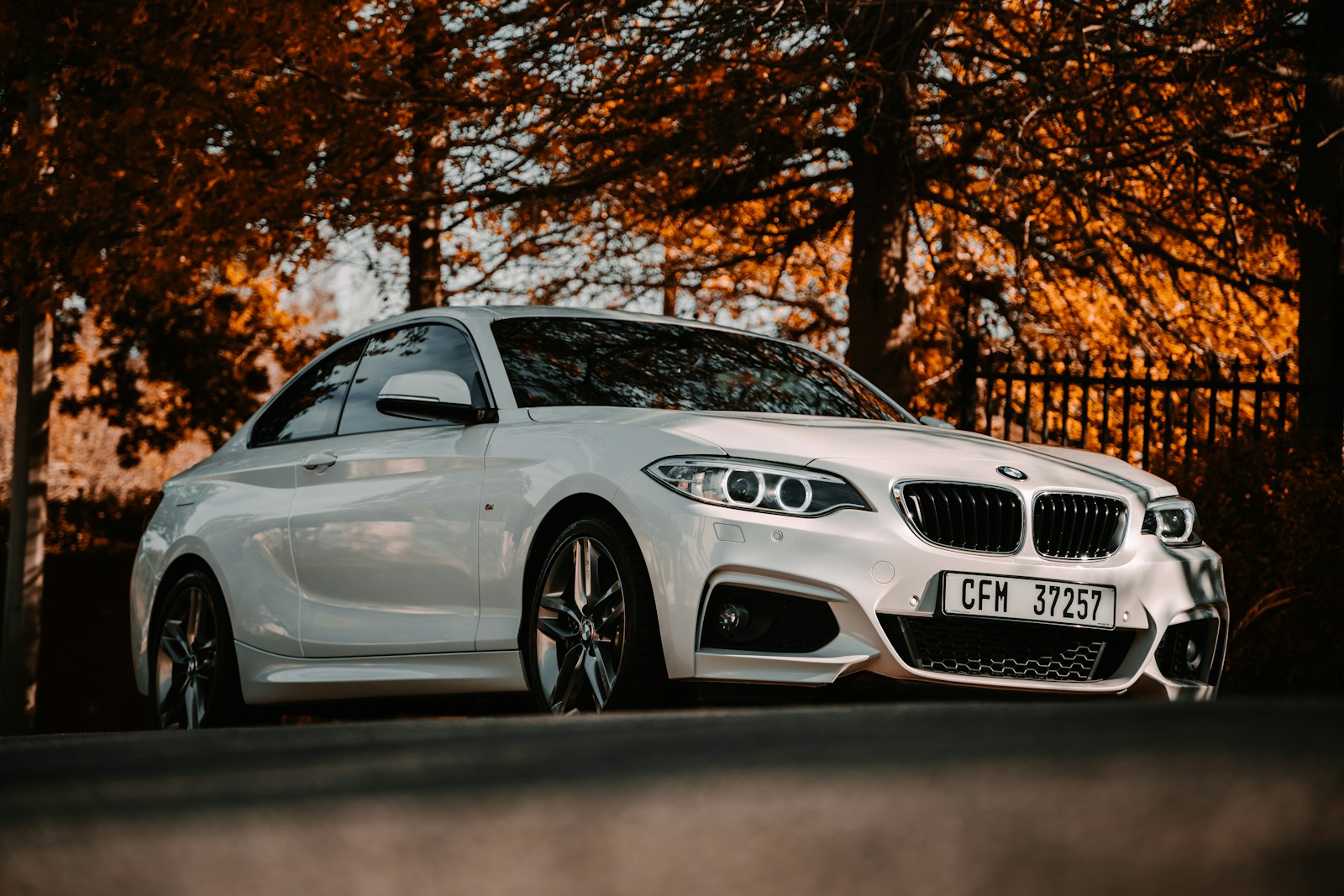

BMW’s starter-motor fire risk recall has grown to cover more than 150,000 vehicles internationally, after regulators added five separate field safety actions to the campaign on Sept. 4, 2026. The expansion is the latest in a string of overlapping starter recalls that BMW has issued across multiple countries since late 2025.
Key Points
- The newly expanded action covers roughly 151,000 vehicles across five field safety campaigns filed with China’s State Administration for Market Regulation, announced Sept. 4, 2026.
- Investigators describe the core defect as abnormal, premature internal wear inside the starter motor that can cause electrical resistance to spike and trigger overheating in the engine compartment.
-
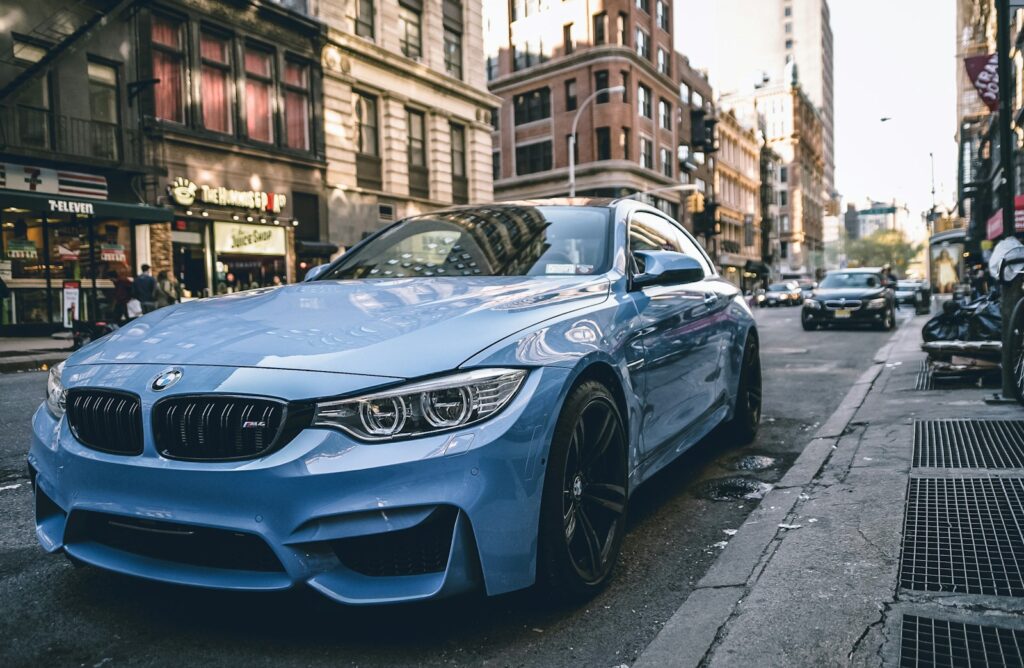
Photo by Zan Lazarevic on Unsplash This is separate from — but mechanically related to — a U.S. recall BMW filed with NHTSA covering 318,495 vehicles in July 2026 for the same starter-overheating defect.
What’s Affected
- Largest campaign: Imported BMW 2, 4, 5 and 6 Series, along with the X4, X5, X6 and Z4, built between February 2021 and April 2025 — roughly 93,000 units.
- Second campaign: Domestically produced 5 Series sedans built between December 2017 and August 2020, covering more than 57,000 units.
- Smaller campaigns: Additional imported 7 Series units and a handful of X1, X2, X6, X7 and MINI John Cooper Works Countryman vehicles from more recent production.
- U.S. models covered separately by NHTSA’s filing: 2 Series Coupe, 3 Series, 4 Series, 5 Series, X3, X4, Z4, and the Toyota Supra (which shares BMW’s platform and starter hardware).
What The Defect Actually Does
BMW has attributed the problem to unexpected internal wear on the starter’s components, which builds up after repeated starting attempts. That wear increases electrical resistance inside the unit, which in turn generates heat. In the worst cases, NHTSA’s own U.S. filing warns that the starter “may overheat and catch fire,” a risk the agency notes increases the chance of injury.
Notably, BMW’s own engineers reportedly switched to a redesigned starter supplier earlier this year to fix the problem, only to find the replacement parts carried a similar wear pattern — part of why the recall has kept expanding rather than closing out.
What Owners Should Do
- Owners of affected BMW and Toyota Supra models in the U.S. can check their VIN through NHTSA’s recall lookup tool; BMW’s U.S. customer line is 1-800-525-7417, and Toyota Supra owners can call 1-800-331-4331.
- The remedy in every campaign is the same: a dealer replaces the engine starter with a corrected part at no cost to the owner.
- Owners who notice difficulty starting, unusual smells, or warning lights related to the starting system should avoid parking in enclosed garages until the vehicle has been serviced.
The scope of this recall — now spanning multiple countries, multiple BMW model lines, and more than a year of expansions — signals the underlying starter defect is proving harder to isolate and fix than BMW initially believed. Regulators in both the U.S. and China are continuing to track new reports as they come in.