
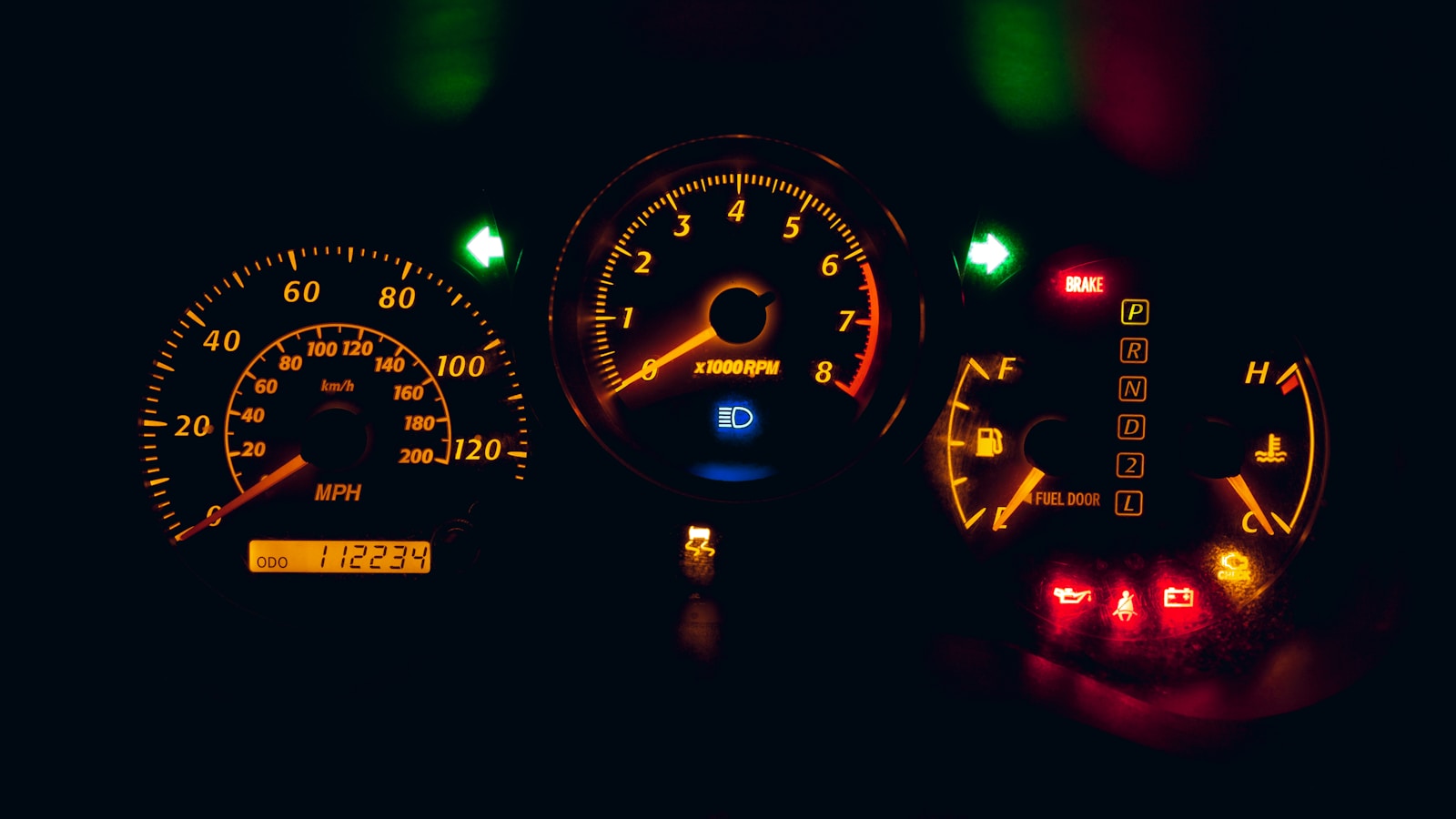

The average cost just to have a shop plug in a scanner and tell you why your check engine light is on runs between $125 and $183, before a single part gets replaced or a single repair begins, according to RepairPal’s national cost estimates. That fee isn’t uniform, either. Depending on where you take the car, the exact same blinking light can cost anywhere from under $50 to north of $400 just to get an answer. The gap between those numbers has almost nothing to do with how serious the problem turns out to be, and almost everything to do with what kind of shop is doing the looking.
What a Diagnostic Fee Actually Pays For
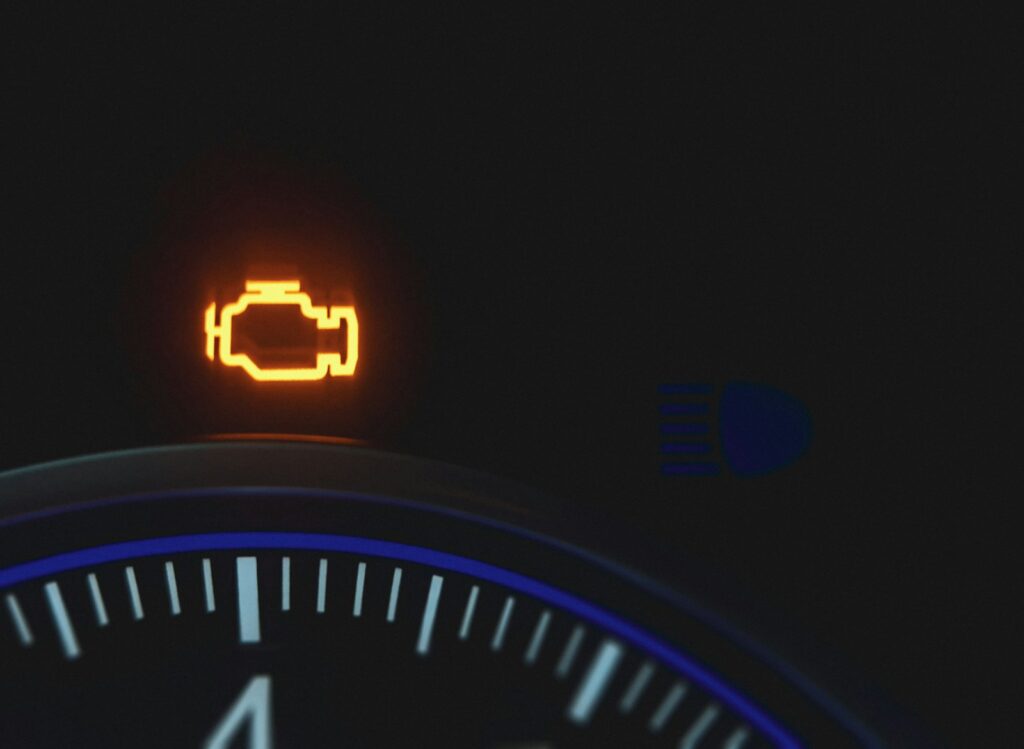
A check engine light on its own tells a technician almost nothing. It’s connected to an onboard computer that logs a trouble code, and reading that raw code is only the first step. A real diagnosis means a technician interprets the code against the specific symptoms, often runs additional tests, and rules out the two or three other systems that can trigger the exact same light. That labor, not the code reader itself, is what a diagnostic fee is paying for, and it typically gets billed as one to one and a half hours of a shop’s standard labor rate. Across AAA’s network of approved repair shops, labor rates alone range from $47 to $215 an hour, which is a big enough spread by itself to explain most of the sticker shock drivers report.
Independent Shops Tend to Land in the Middle
Independent mechanics generally charge somewhere between $50 and $180 for a standard diagnostic visit, according to cost breakdowns compiled by automotive diagnostic tool researchers. A basic code read, just pulling the number off the computer without deeper interpretation, can run as little as $20 to $50 at some shops. But that’s rarely the full story on a genuinely mysterious light. European or hybrid vehicles, which require more specialized multi-system diagnostic work, can push independent shop pricing up to $300 or $400, closing much of the gap that normally exists between independents and dealerships.
Dealerships Charge More, and They’re Upfront About Why
Dealership diagnostic fees run noticeably higher, typically landing between $100 and $400, and in some cases reported as high as $500 depending on the brand, the region, and how complicated the underlying issue turns out to be, according to research compiled by CoPilot’s dealership pricing analysis. The premium buys brand-specific diagnostic equipment, factory-trained technicians, and direct access to manufacturer service data that an independent shop may not have on hand for a newer or less common model. For a straightforward, common issue, that premium can feel unnecessary. For anything involving a hybrid drivetrain, an advanced driver-assist system, or a manufacturer-specific electrical fault, it’s often the only place with the right tools to actually find the problem the first time.
The Fee You See Isn’t Always the Fee You Pay
Here’s the part that catches a lot of drivers off guard: the advertised diagnostic price is frequently just the starting point, not the final bill. If the first round of testing doesn’t pin down the cause, and it often doesn’t on an intermittent or multi-system fault, additional diagnostic time gets added on top of the original estimate. Some shops, dealerships especially, will waive or credit the diagnostic fee toward the final repair if you have the work done there, which effectively turns the fee into a free estimate as long as you commit to the shop doing the fix. Chain retailers and parts stores sometimes offer a free basic code read as a customer draw, but that’s a far cry from the paid, in-depth diagnosis a genuinely confusing light usually requires.
What This Means Before You Ever Drive In
None of this means one type of shop is inherently better than another. It means the price you’re quoted for “just figuring out what’s wrong” reflects a real range of business models, not a fixed cost anyone can quote you blind. A driver who calls three shops for the same blinking light, one dealership, one independent, one chain, should expect three genuinely different numbers before repair costs even enter the conversation, and the smartest move is asking upfront whether that diagnostic fee gets applied toward the repair if you stay.