

Battery telematics data from more than 22,700 electric vehicles shows a clear split: EVs charged primarily on high-power DC fast chargers above 100 kW degrade at up to 3.0% per year, roughly double the 1.5% annual loss seen in vehicles that stick mostly to AC or lower-power charging. That gap, published by fleet-data firm Geotab in 2026, is now the single strongest operational factor in EV battery health the company has measured, ahead of climate, ahead of mileage. And because battery state of health increasingly drives resale price directly, a charging habit most owners think of as a convenience is quietly becoming a line item on their car’s future trade-in slip.

The Data Behind the Split
Geotab’s analysis pulled aggregated telematics from 21 different EV makes and models, tracking real-world degradation rather than lab estimates. The topline number for the fleet was an average 2.3% annual degradation rate across all charging habits, up from 1.8% in the company’s prior-year study. But splitting the fleet by charging method is where the story sharpens: vehicles relying heavily on chargers above 100 kW lost range nearly twice as fast as those charged mostly at home or on lower-power DC equipment. For comparison, hot climates alone only added about 0.4% in extra annual degradation, a fraction of what heavy fast charging does on its own.
Why Resale Value Tracks Battery Health So Closely
Used-EV pricing research from Recharged shows that a used EV’s state of health, the percentage of original battery capacity still available, can swing resale value by 20% to 40% between a well-preserved pack and a degraded one. On a hypothetical $22,000, 250-mile EV, the pricing bands are stark: a car still at 95-100% state of health holds close to full market value, while one that’s slipped into the 70-79% range faces what the report calls “steep discounts.” Most manufacturer battery warranties don’t even trigger until capacity falls below 70%, meaning a car can lose real dollars in the private resale and trade-in market well before it ever qualifies for a warranty claim.
A Complicating Wrinkle From Tesla-Specific Data
It’s worth noting the picture isn’t universally settled. Research firm Recurrent, which analyzed over 160,000 data points from roughly 13,000 Tesla vehicles, found no statistically significant difference in range degradation between owners who fast-charged more than 70% of the time and those who fast-charged less than 30% of the time, at least over the five to six years of real-world data available. Recurrent’s own researchers caution they don’t yet know whether a cumulative effect will show up later in these packs’ lives, and the Geotab dataset spans more brands and chemistries, which may explain why the two studies don’t fully agree. The honest read is that the effect is real and measurable across most of the market, even if one manufacturer’s packs appear more resistant to it.
Home Charging as the Quiet Advantage
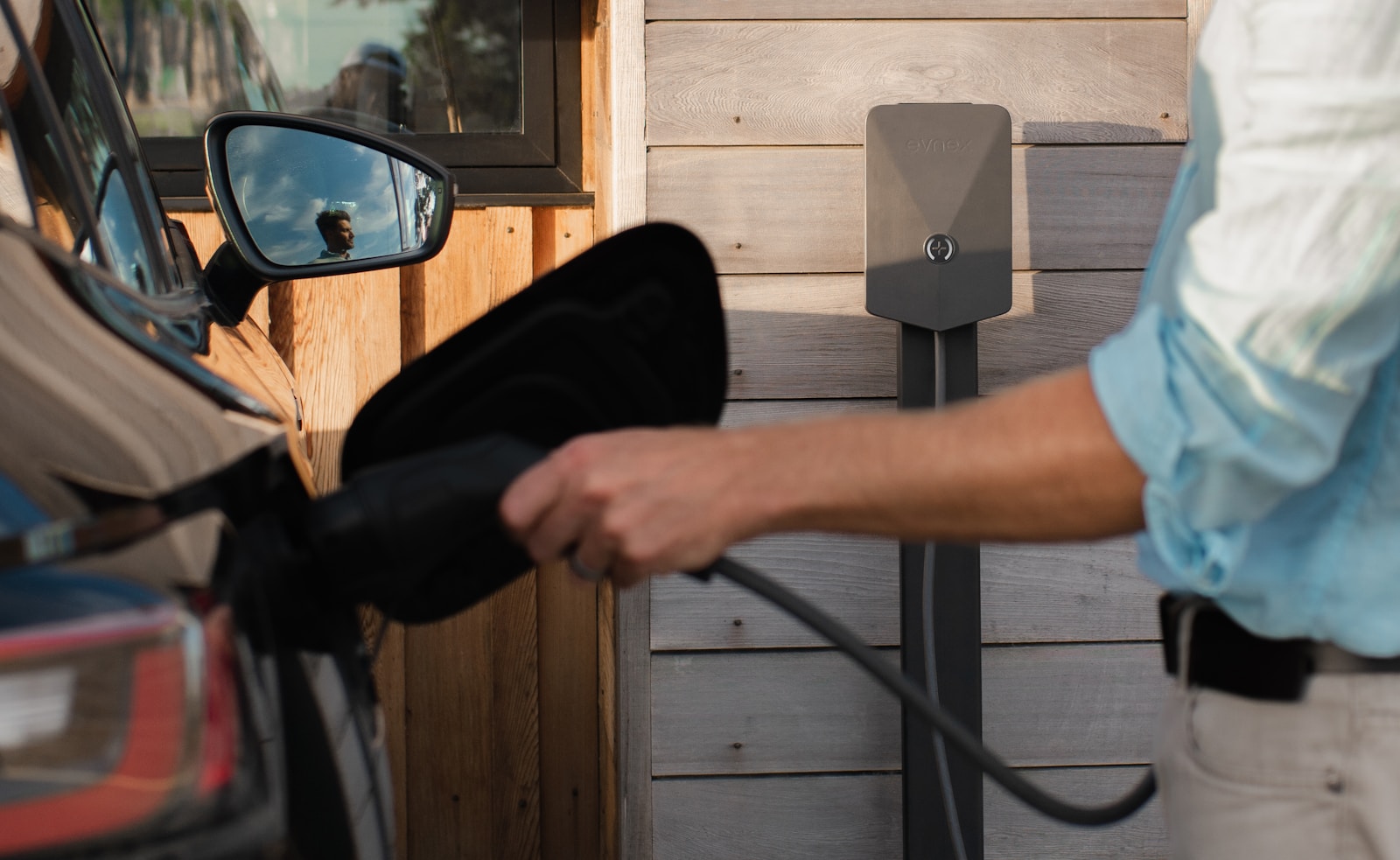
What both data sets agree on is the direction of the effect, if not always its size. Slower, lower-power charging is gentler on lithium-ion cells, largely because it generates less heat and stress during the charge cycle, the same reason manufacturers build in charging curves that slow down dramatically past 80% on a fast charger. An owner who charges almost exclusively overnight at home and saves DC fast charging for actual road trips is, according to Geotab’s numbers, cutting their annual degradation roughly in half compared with someone who treats fast chargers as their default. Over five or six years of ownership, that compounds into a meaningfully higher state of health — and a meaningfully higher number when it’s time to sell.
What Buyers Should Actually Watch For
If you’re shopping for a used EV, the practical takeaway is to stop treating “low miles” as the only signal that matters. A battery report or a simple range test tells you far more than odometer reading alone, and a car with modest mileage but a heavy public-fast-charging history can be in worse shape than a higher-mileage example that spent most of its life plugged into a home outlet overnight. Sellers rarely volunteer their charging habits, so asking directly, or requesting a state-of-health readout where the platform supports one, is becoming as routine as asking for a used gas car’s maintenance records.
The Pattern Worth Remembering
None of this means fast charging is something to avoid entirely; road trips exist, and public charging infrastructure exists to serve them. But the data increasingly points to a habit-versus-value tradeoff that most EV buyers never hear about at the dealership: the charger that saves you twenty minutes today is the same charger quietly shaving points off your car’s resale value years down the line, and unlike gas mileage, battery health is a number the next buyer can actually check.