
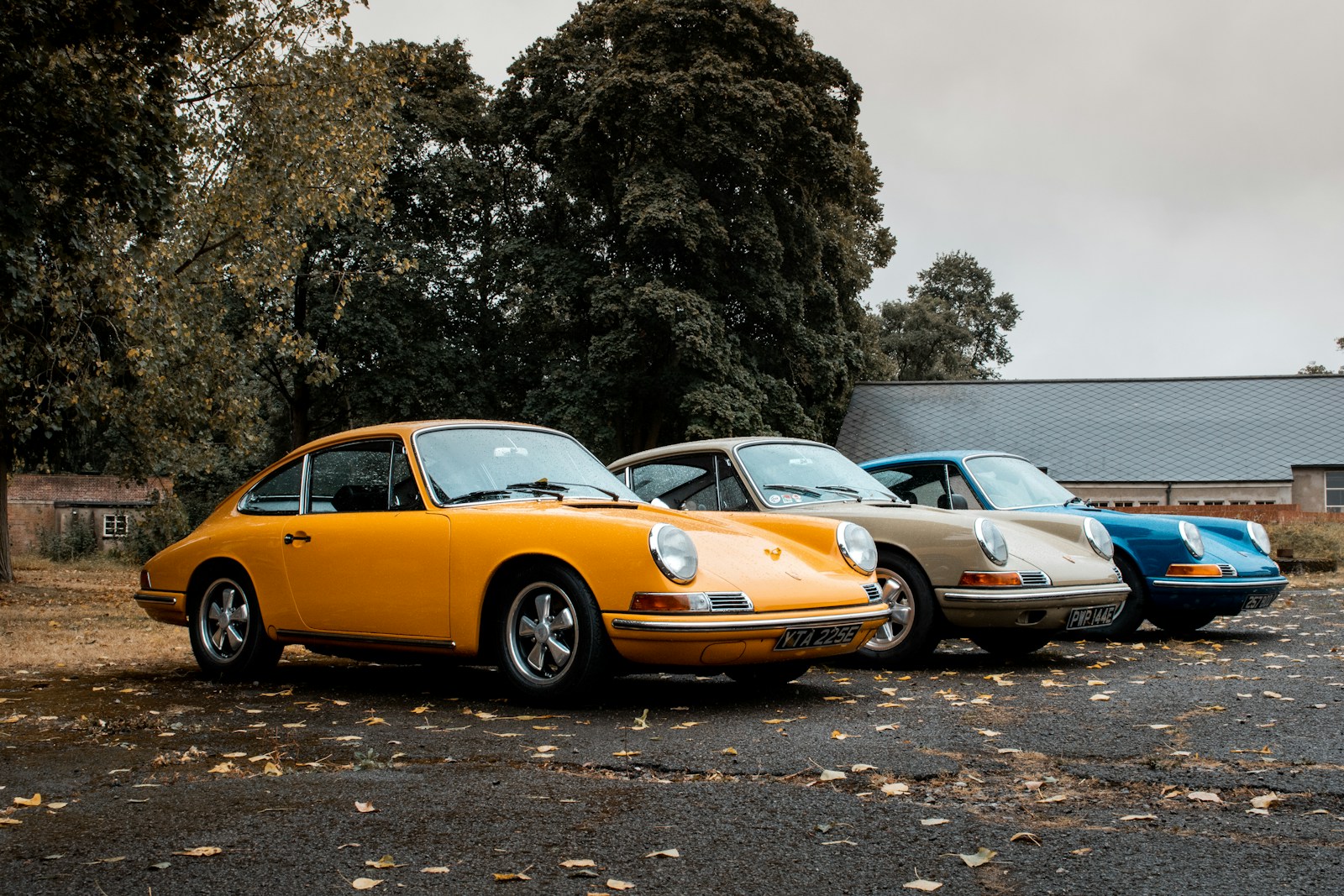

A show-quality, full frame-off restoration routinely runs $100,000 to $200,000 by the time a shop finishes the job, according to real cost breakdowns published by restoration specialists. Concours-level builds can climb past $300,000. Plenty of classic cars, even genuinely desirable ones, simply aren’t worth that much once the last bolt goes back on. Restoration shop Fesler Built puts it bluntly: unless the car is extremely rare or high-value to begin with, “it’s highly unlikely that you will recoup the costs of the overall restoration.” That warning, backed by real invoice-level numbers, is one a lot of enthusiasts learn only after they’ve already committed a car to the shop.
What a Real Invoice Actually Looks Like
Labor, not parts, is what drives a frame-off bill into six figures. Professional shops typically charge $85 to $150 an hour, with established, reputable outfits averaging closer to $125, and a full body-off restoration eats through 2,000 to 3,000 labor hours before it’s done, according to Fesler’s own breakdown. Separate figures from restoration firm Hillbank Motor Corporation land in the same territory, putting a complete show-quality frame-off build at “$100,000+” once parts and labor are both accounted for. A concours-level build pushes that to 4,000 or 5,000 hours. Run the math on 2,500 hours at $125 an hour and labor alone lands at $312,500, before a single part gets ordered. Individual line items add up fast on top of that: a rebuilt interior runs $5,000 to $15,000, a full wiring harness $6,000 to $15,000, and something as small as one rusted rocker panel can cost $2,000 to $6,000 to replace correctly.
Where the Math Stops Working
Restoration cost researchers at Coastline Restorations put most projects somewhere between $40,000 and $120,000 depending on scope, with concours work running $150,000 to $300,000-plus once labor at roughly $135 an hour is factored across thousands of hours. The trouble is that a huge share of the classic car market, especially mainstream American cars from the 1960s through the 1980s that weren’t rare special editions, never gets close to that number when finished and sold. A driver-quality example of a common muscle car or classic pickup might trade for $25,000 to $45,000 in good condition; sink $120,000 into restoring one from a rough starting point, and the finished car is worth a fraction of what went into it.
Why Owners Still Do It Anyway
Coastline’s researchers are direct about the underlying motivation: “Restoration is often driven by passion, not profit.” That’s not a knock on the hobby, it’s simply an honest accounting of why the math so often doesn’t pencil out. Someone restoring a childhood car, a father’s old truck, or a model they’ve wanted since high school isn’t running a spreadsheet on resale value before they start, and most shops know that going in. The problem shows up later, when an owner who assumed the restoration was also an investment discovers the invoice total sitting well above what any buyer will actually pay for the finished product.
The Exceptions That Prove the Rule
Genuinely rare or historically significant cars are the exception, and the exception is exactly where the economics flip. A numbers-matching Hemi ‘Cuda, an original Boss 429 Mustang, or a documented low-production Shelby can absorb a six-figure restoration bill and still come out ahead at auction, because the finished value sits in the high six or seven figures to begin with. Coastline’s own material notes that “Superformance & Shelby models hold their value better than many classics,” which is really just another way of saying rarity, not restoration quality, is what determines whether the math works. The same $150,000 restoration that’s a rounding error on a rare Shelby can be more than double what an ordinary car of the same era is worth once it’s done.
The Question Every Owner Should Ask First
Before a car goes up on the lift, the number that actually matters isn’t the estimate the shop hands over, it’s the finished-car auction value for that specific year, trim, and condition, checked against real recent sales rather than optimism. A frame-off restoration can absolutely be worth doing for the right car, or simply worth doing for its own sake regardless of what it returns. What the invoices consistently show is that very few classic cars fall into the first category, and a restoration shop’s estimate will rarely be the number that tells you which one you’re standing in front of.