
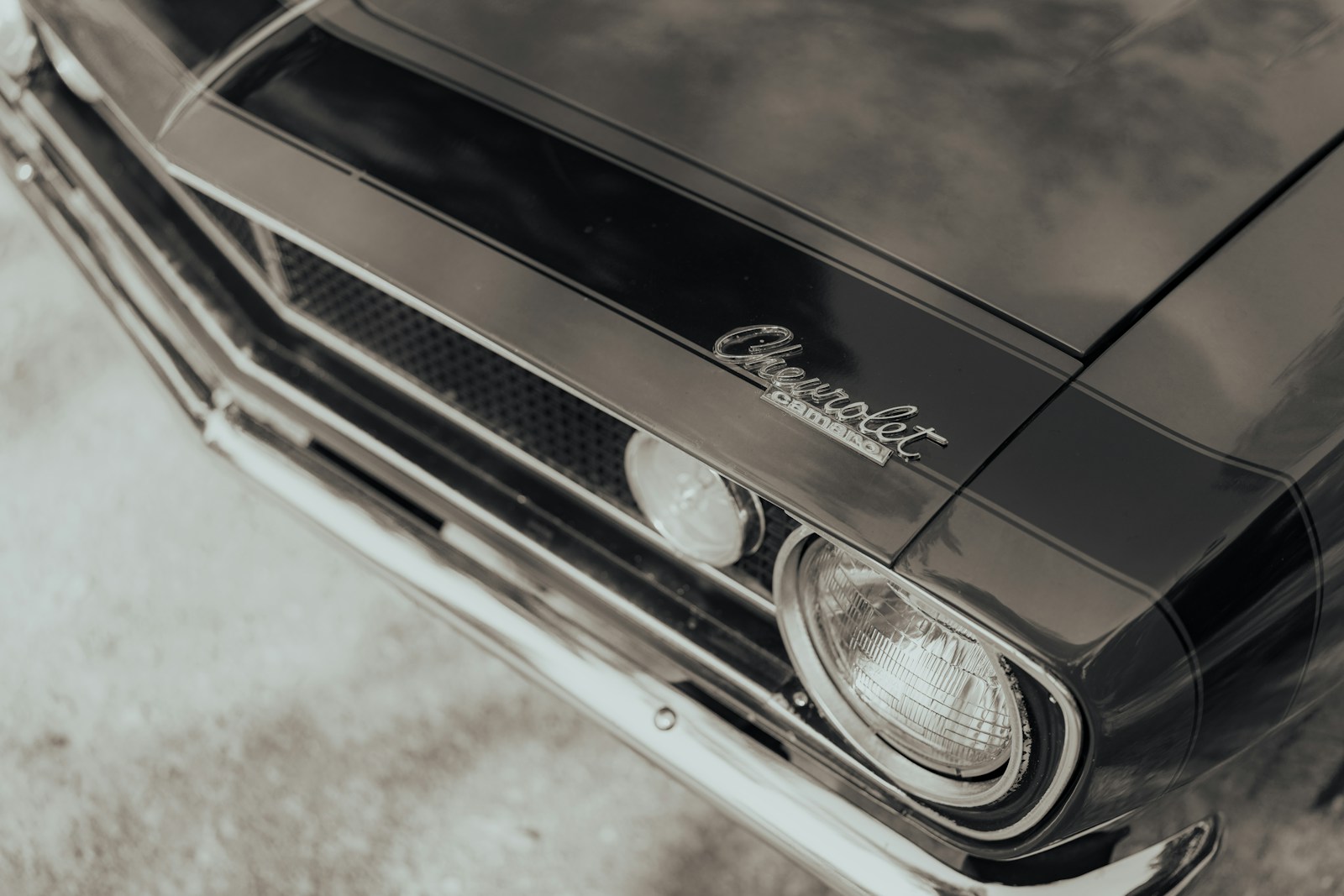

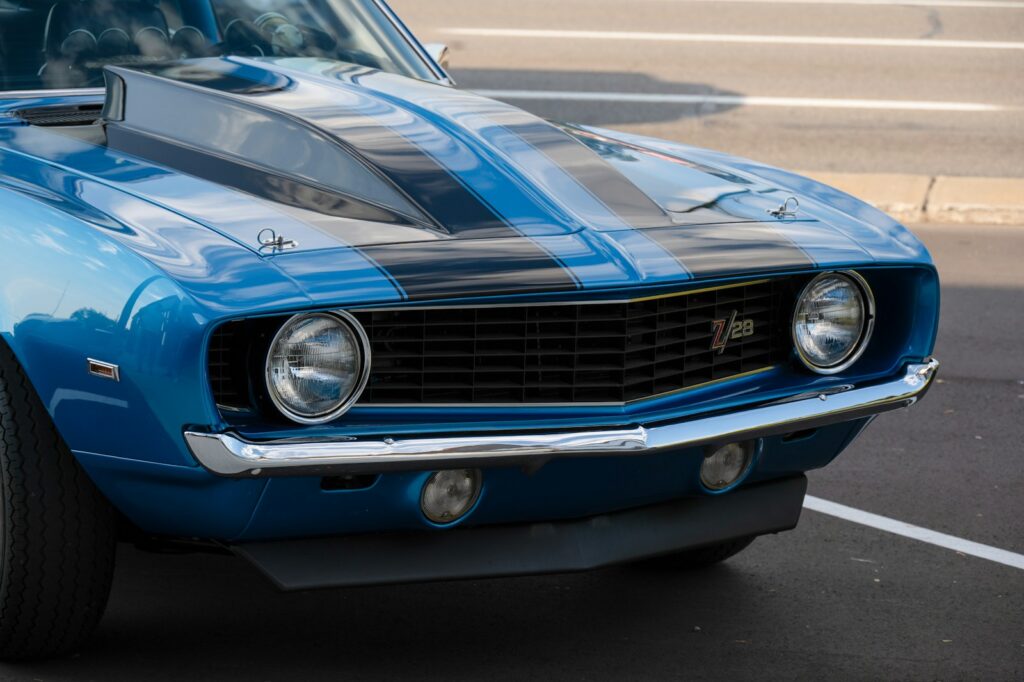
A numbers-matching 1969 Chevrolet Camaro ZL1 sold for $1,094,500 at Barrett-Jackson’s Scottsdale sale in January 2020 — more than thirteen times what a typical first-generation Camaro brings today, where the average recorded sale across tracked auction results sits at $80,938. Nothing about that ZL1’s sheet metal, paint, or interior explains the gap. One line on the broadcast sheet does: RPO ZL1, the all-aluminum 427 big block that only 69 buyers ever ordered in 1969. Everything else on that car could have been bolted to a Camaro worth a tenth as much. The engine code is the entire story, and it repeats across the muscle car market more often than most buyers realize.
A Six-Figure Sale Traces Back to 69 Build Sheets
The Camaro that brought $1,094,500 wasn’t a concept car or a one-off show build. It was serial number 59 of a run of 69 ZL1 Camaros, built through Chevrolet’s Central Office Production Order system specifically so racers could order an aluminum-block 427 without the weight of an iron big block over the front axle. That specific car’s price also got a boost because its owner tracked down and reinstalled its original, numbers-matching engine block before the sale — most ZL1 blocks were pulled and raced hard, then swapped or lost entirely, according to Hagerty’s own account of the sale. That single result broke the previous ZL1 auction record of $840,000, set in 2005, and topped a $770,000 sale of the same car just two years earlier — proving the ZL1 premium isn’t a one-time fluke, it’s a standing pattern every time one of the 69 comes back to market. Meanwhile, a base or small-block ’69 Camaro without that option code, sold in equivalent condition, settles into the low-to-mid five figures most of the time, with the lowest recorded sale on classic.com’s tracked data landing at just $11,000 for a modified example.
Plymouth’s Hemi Option Runs the Identical Playbook
Swap brands and the math holds. A standard 340-powered Plymouth ‘Cuda — same body, same E-body platform, same bucket seats — averages $120,712 across recorded sales, according to classic.com’s Cuda market data. Add the 426 Hemi option to that same body style and the average more than triples to $412,244, per classic.com’s tracked Hemi ‘Cuda results, with even the lowest documented Hemi ‘Cuda sale landing at $116,000. At the top end, a 1971 Hemi ‘Cuda convertible brought $3.3 million in a January 2026 sale — a number that has nothing to do with the car’s trim level or color and everything to do with three letters on the fender tag: HEMI. Plymouth built the Hemi ‘Cuda in such small numbers, and so few survive unmolested, that the option itself became the collector target, not the body style it happened to ride in.
Why One Code Outweighs the Whole Rest of the Car
Auction houses will tell you condition and originality matter, and they do. But condition alone doesn’t explain a 3x to 13x price multiple on visually identical cars. What actually moves the needle is scarcity stacked on top of desirability: a build count in the dozens or low hundreds, a factory engine that was genuinely faster than anything else on the option sheet, and a fender tag or broadcast sheet that proves it. That combination is why a numbers-matching ZL1 or Hemi car commands a premium that a re-engineered clone — even a visually perfect one — never fully catches. Buyers aren’t really bidding on a Camaro or a ‘Cuda at that point. They’re bidding on a production run smaller than most high school graduating classes, wrapped in a body style that happens to look like a much cheaper car.
The Multiplier Shows Up Across Nearly Every Brand
This isn’t a Chevy-and-Mopar-only phenomenon, either. Every era of Detroit muscle has its version of the same story: a low-production, high-output engine code buried in a build sheet that otherwise reads like any other family coupe. Buyers chasing these cars have learned to research RPO codes and broadcast sheets as carefully as they research condition reports, because the difference between a car worth real money and one worth ordinary money often isn’t visible in a set of photos. It’s a two- or three-character code that a seller either can, or can’t, document with paperwork.
The Pattern Every Serious Buyer Learns Eventually
Once you’ve tracked enough auction results, the lesson stops being about any one model and starts being about how this market actually prices cars. Body style sets the floor. The factory engine option sets the ceiling — and the distance between those two numbers is almost always wider than buyers expect walking in.