
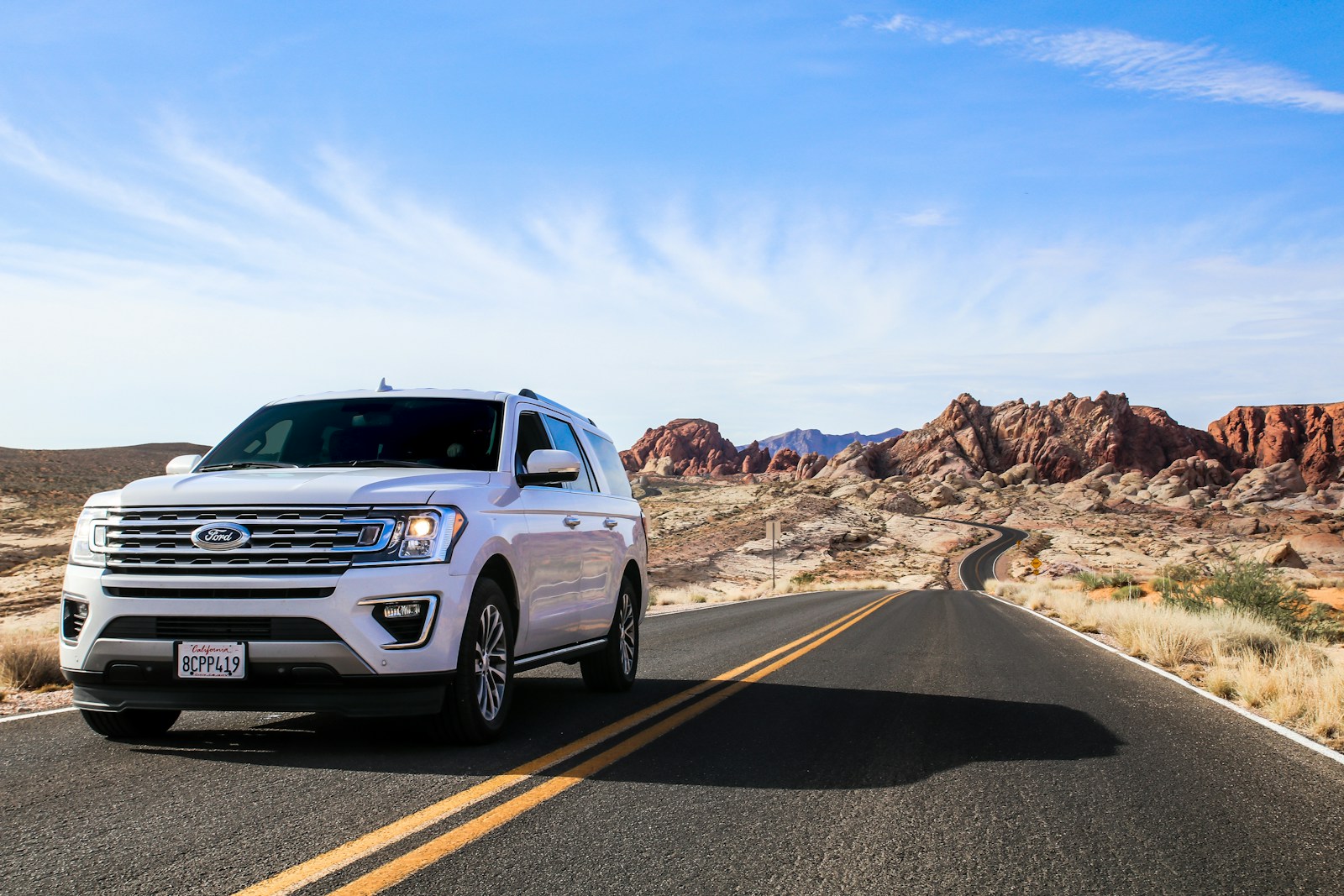

Rear shoulder room across today’s midsize three-row SUVs swings from 58.4 inches to 62.2 inches, according to manufacturer-published specifications — a gap of nearly four inches that decides whether three child seats will physically close their buckles side by side or whether a parent is stuck putting one kid in the third row every single trip. That’s not a marketing number. It’s a certified interior measurement, and it happens to be almost exactly the range where fitting three car seats across shifts from comfortable to impossible, since most convertible and forward-facing seats run 17 to 19 inches wide at the base depending on the model.
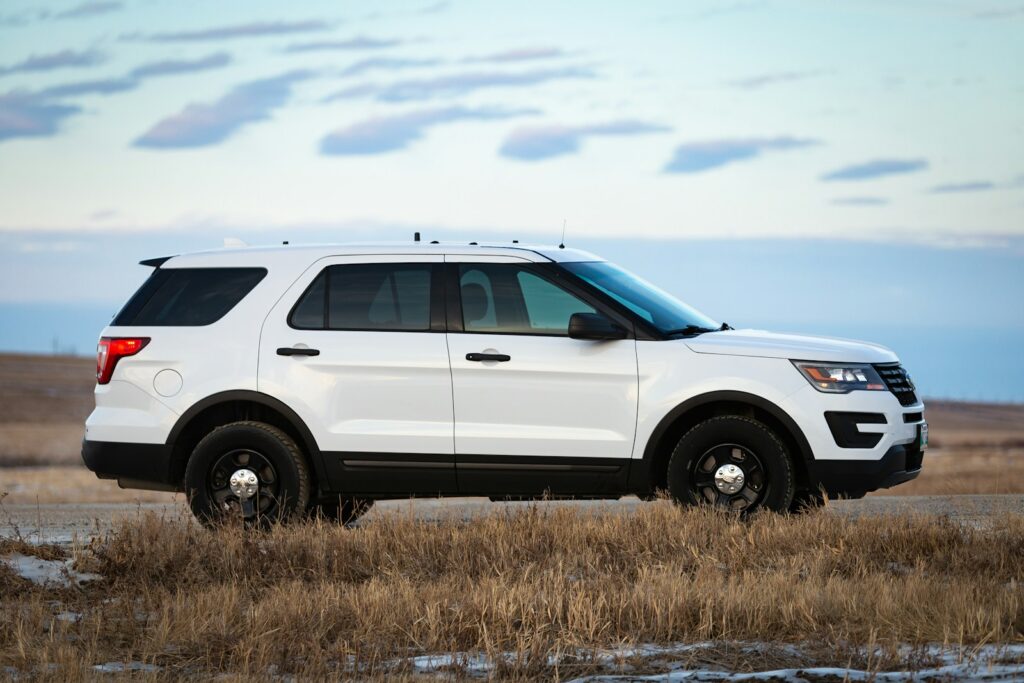
The Widest Rear Benches on Sale Right Now
Pulled from each automaker’s own certified specifications as published by Edmunds, the Chevrolet Traverse posts 62.2 inches of second-row shoulder room and 58.6 inches of hip room for the 2025 model year — the widest bench of any mainstream three-row SUV currently measured this way. The Honda Pilot follows close behind at 61.7 inches of shoulder room with 57.4 inches of hip room, and the Volkswagen Atlas comes in at 60.5 inches of shoulder room with 58.6 inches of hip room. The Hyundai Palisade measures 60.8 inches of shoulder room and 57.7 inches of hip room, while the Kia Telluride — mechanically related to the Palisade — comes in slightly narrower at 59.9 inches of shoulder room and 58.0 inches of hip room. At the tighter end of the group, the Toyota Highlander measures 58.4 inches of shoulder room and 57.0 inches of hip room, a real-world difference of nearly four full inches from the Traverse.
Why Every Inch of That Gap Matters for Car Seats
Three child seats installed side by side isn’t just a matter of three narrow boxes fitting next to each other — bulky side-impact wings, cup holders, and armrests all eat into a bench that looks wide enough on paper. That’s why the SUVs sitting near the top of the shoulder-room range — the Traverse, the Pilot, the Atlas, and the Palisade — show up again and again in parent installation guides and community fitment reports as the vehicles most likely to make a 3-across install work with standard convertible seats, while vehicles measuring several inches narrower more often require at least one slim-profile or backless booster seat to close the gap.
The LATCH System Adds a Second Constraint Beyond Width
Width solves half the problem. The other half is anchoring. Federal guidance from the National Highway Traffic Safety Administration confirms that lower LATCH anchors are required in a minimum of two rear seating positions in a vehicle, not three — meaning that in most SUVs, whichever seat ends up in the middle of a 3-across install has to be secured with the vehicle’s seat belt rather than the lower anchors, even when there’s technically enough width to fit it. That single federal rule is why installation difficulty, not just bench width, is the second variable that separates SUVs that merely measure wide enough from SUVs that actually work for three real car seats in daily use.
Standard Seats Versus Slim Seats Changes the Math
None of these SUVs were designed around child restraint dimensions — they’re measured for adult hip and shoulder clearance, and car seat manufacturers build to their own footprint standards, not to SUV interiors. A typical convertible car seat with side-impact wings can run close to 19 inches wide at its base, while purpose-built slim or narrow models trim that down closer to 17 inches specifically so families can close the gap in a tighter back row. That difference of just two inches per seat, multiplied across three seats, is often the entire margin between a Highlander-width interior working and not working — which is why the same SUV can be a hard “no” with one brand of car seat and a workable “yes” with another, even though the vehicle’s own certified dimensions never change.
What the Measurements Actually Prove
None of this is guesswork once you’re working from the automakers’ own certified numbers instead of a showroom guess or a stroller-and-diaper-bag test drive. The SUVs posting shoulder room north of 60 inches give parents genuine margin; the ones sitting in the high 50s are asking three car seats to do something the interior wasn’t quite built for. Measure before you buy, because the spec sheet — not the salesperson — is the only source that’s actually certified to know.