
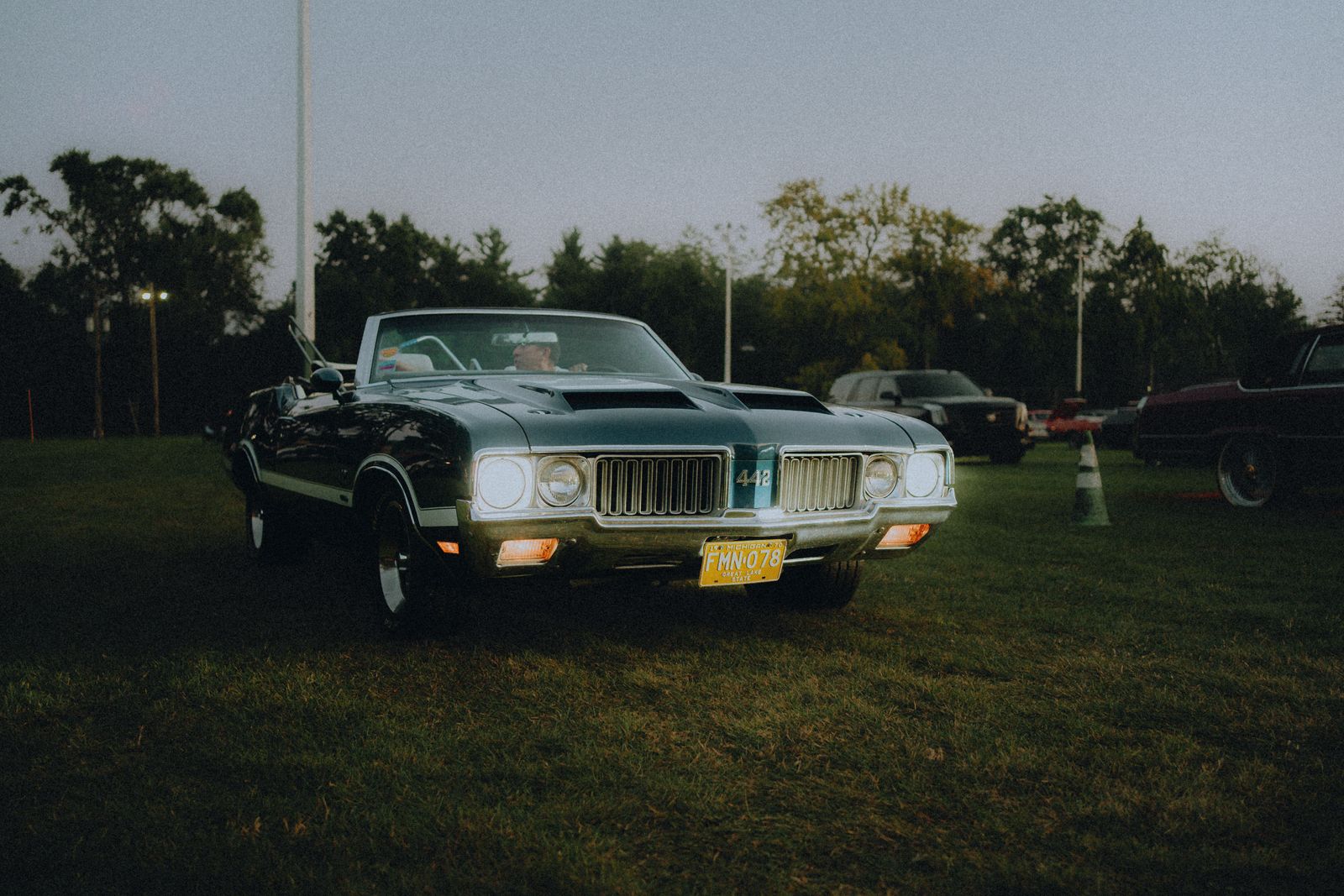

A 1970 Oldsmobile 442 W30 convertible in top condition is worth roughly $156,000 today, according to Hagerty’s own valuation data — and yet the median 442 sale over the last five years lands at just $39,600. That’s not a small spread. It’s the gap between a car GM insiders and racers have always rated as a genuine equal to the GTO and Chevelle SS, and a car the broader collector market still treats as the also-ran of the muscle car era.
The numbers Hagerty won’t sugarcoat
Even the good news comes with an asterisk. Hagerty’s data shows the 1968-72 442 as a category climbed about 19 percent in value over five years, which sounds respectable until you learn that the Hagerty Vehicle Rating for these cars actually slid from 43 to 37 on their 0-to-100 scale — a reading below the 50-point neutral line that indicates the model is “lagging in the market” relative to where insurance quote activity and bidder interest say it should be. Translation: money is moving into these cars slower than enthusiasm for them is growing, which is usually the setup for a catch-up rally rather than a sign the car is actually less desirable.
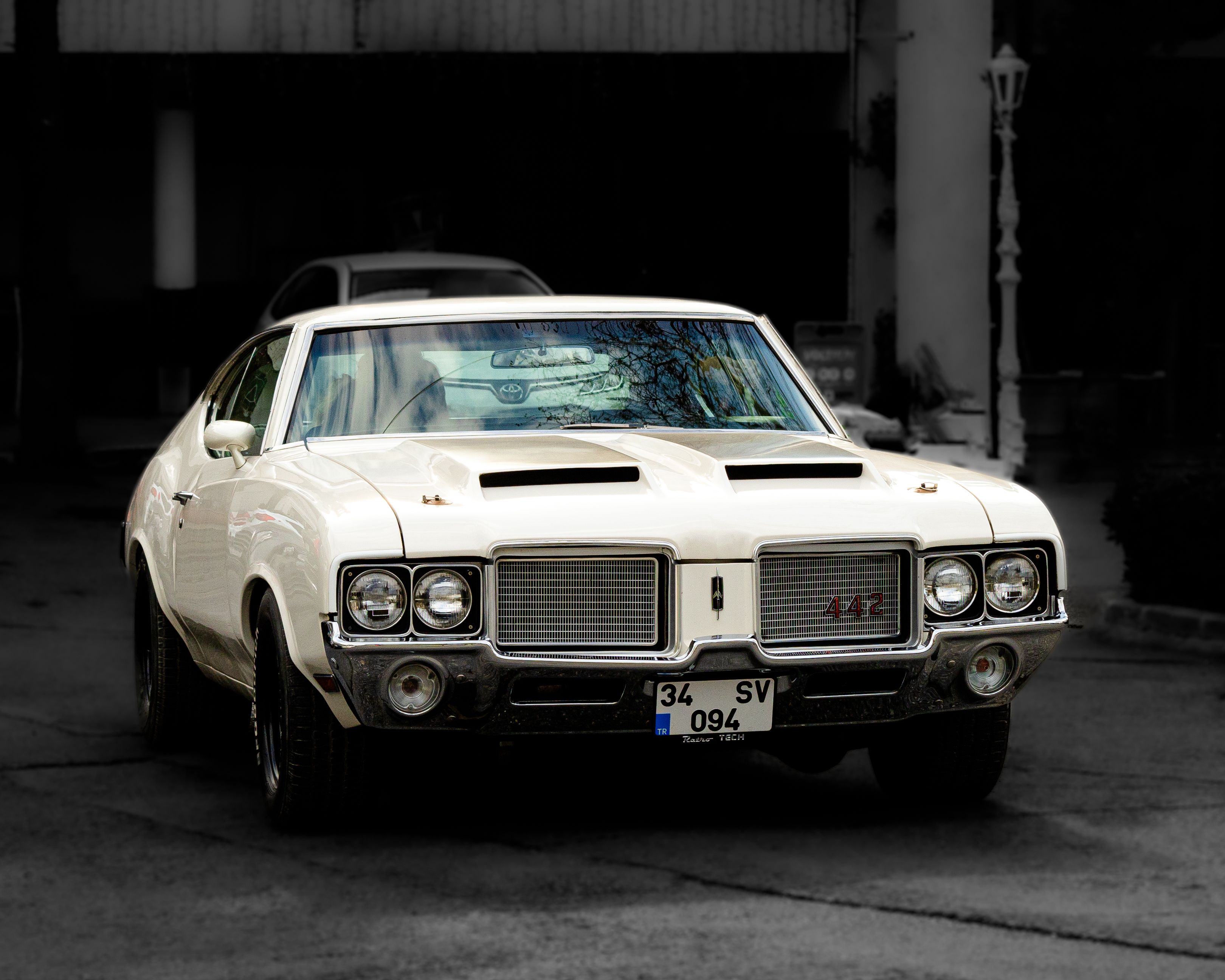
Beaten on the track, ignored at the auction block
The irony is that the 442 was never the slow one in this fight. Oldsmobile’s W30 package paired a 455 cubic-inch V8 with a functional fiberglass hood scoop, a low-restriction air induction system, and a rear anti-sway bar the GTO didn’t get until later — the kind of chassis engineering that made the 442 a favorite of period road testers specifically because it handled better than a Chevelle SS454 and hit harder than a base GTO. None of that translated into collector-market respect. A “garden variety” Cutlass shares so much sheet metal and structure with the 442 that Hagerty’s own guide pegs an ordinary Cutlass at around $16,000 — meaning the market is assigning most of the 442’s premium to the drivetrain and options, not the name, which is exactly the kind of undervalued-badge situation that tends to correct once buyers do the homework.
Manual cars are already telling you where this goes
Look at how the market treats the W30’s four-speed manual variants and you can see the correction starting in miniature: according to Hagerty’s tracked sales, a four-speed W30 commands roughly a 20 percent premium over an otherwise identical automatic car. That’s buyers actively competing for the more desirable configuration within the 442 lineup itself — the same behavior that happens across every muscle car segment once a nameplate stops being a commodity and starts being curated. When a market segments itself by configuration and pays up for the right one, that’s a sign the overall category still has pricing power it hasn’t cashed in yet.
Why GTO and Chevelle got there first
None of this happened because the 442 is a lesser car. It happened because Pontiac’s GTO got the marketing spotlight as the car credited with starting the muscle car era in 1964, while Oldsmobile’s 4-4-2 arrived the same year as a quieter option package that took several more seasons to become a standalone model — and because Chevrolet simply built and sold the Chevelle SS in far greater numbers, meaning more of them survived to seed decades of nostalgia marketing, movie cameos, and magazine cover stories. Oldsmobile’s own comparatively conservative brand image — the “not your father’s Oldsmobile” ad campaign was still twenty years away — meant the 442 never got the outlaw reputation that turned its rivals into cultural icons, even though the hardware underneath was frequently superior.
The gap that won’t last forever
A market this lopsided relative to the underlying engineering rarely stays that way once enough buyers actually cross-shop the spec sheets instead of the badges. The 442’s Hagerty Vehicle Rating dip looks, on paper, like a warning sign — but read against a five-year value gain and a documented four-speed premium, it reads more like a coiled spring. The GTO and Chevelle SS earned their reputations fair and square. The 442 earned an identical one on the drag strip and never got paid for it, and that’s the kind of imbalance collector markets eventually notice.