
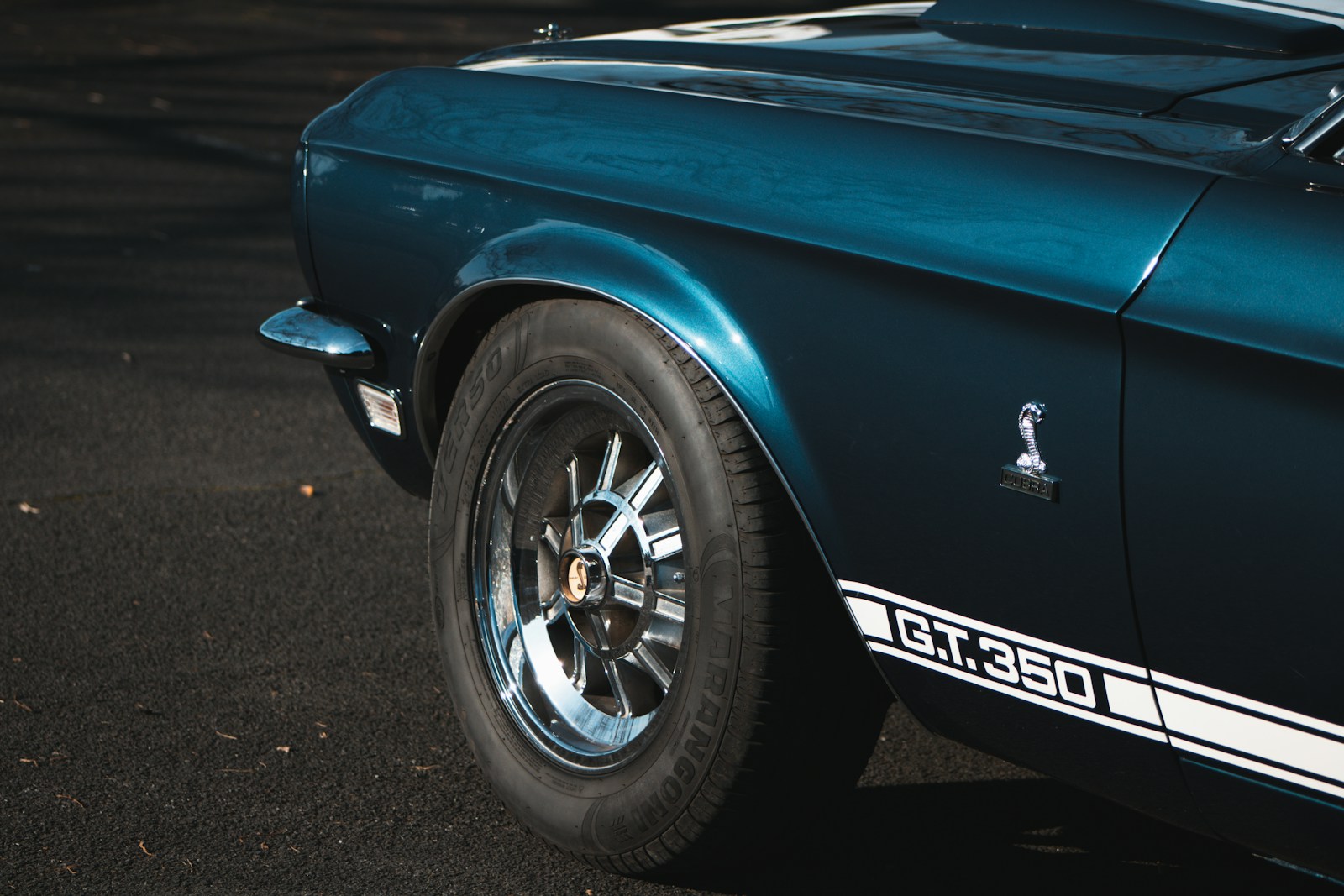

Ford built the Shelby GT350’s flat-plane-crank Voodoo V8 for six model years, from 2015 through 2020, then walked away from it entirely rather than adapt it for another generation. The engine revved to 8,250 rpm, made 526 naturally aspirated horsepower, and earned a spot on Ward’s 10 Best Engines list multiple years running — and Ford killed it anyway, confirming in April 2020 that the GT350 itself would be discontinued after that model year. An engine that good doesn’t usually get cancelled. This one did, largely because it was too good at exactly one thing to survive as a daily-driven Mustang.
What “flat-plane” actually bought you, and cost you
A flat-plane crankshaft, borrowed from European exotics like Ferrari’s V8s, arranges the crank throws 180 degrees apart instead of the 90-degree cross-plane layout used in nearly every American V8 ever built. That geometry is why the Voodoo could rev so high and sound so unlike any other Mustang before it — but it’s also inherently less smooth at low RPM, prone to more vibration, and mechanically fussier to package around emissions and noise regulations than a conventional cross-plane design. Ford engineers built the GT350 specifically to be a track-focused halo car within the Mustang lineup, and the flat-plane V8 was the one component that made that character impossible to soften into something more broadly livable without losing what made it special in the first place.
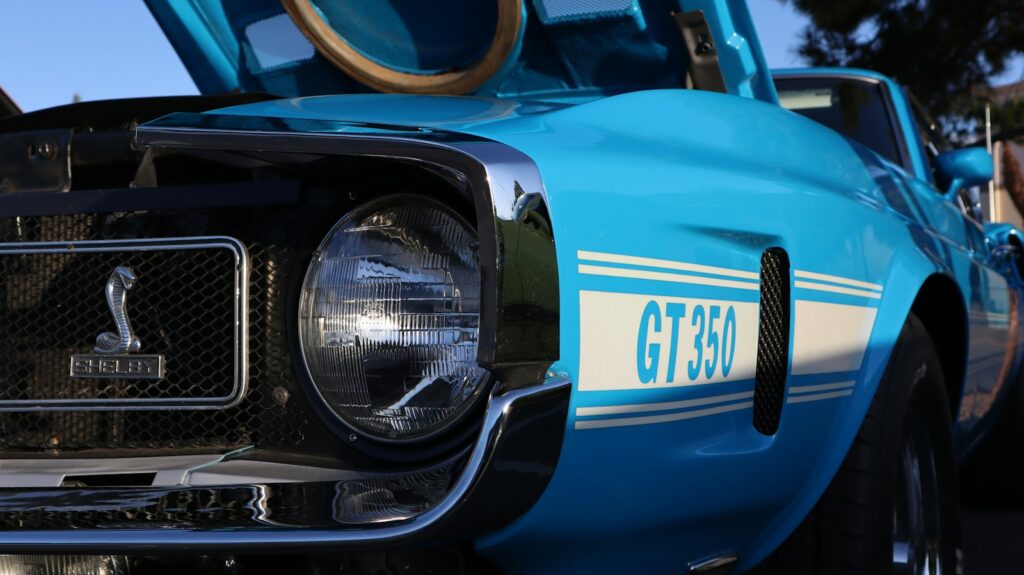
A car built to be extreme, then punished for it
The GT350’s problem wasn’t that the Voodoo made bad power — it made spectacular power. The problem was everything that power demanded of the rest of the car. Reporting on the Voodoo’s engineering describes an engine built with forged internals, a dry-sump oiling system to survive sustained track cornering loads, and a redline high enough that it needed its own dedicated engine architecture rather than a shared block with lower-strung Mustang V8s. That level of specialization is exactly what makes a halo engine expensive to keep certifying against tightening emissions and noise standards for a low-volume niche model, especially once the parent company has to weigh that cost against a broader lineup shift toward electrification.
The supercharged alternative Ford chose instead
Ford didn’t abandon high-performance Mustangs when it cancelled the GT350 — it just changed which engineering philosophy it was willing to keep funding. The GT500 that continued alongside, and eventually replaced the GT350’s position at the top of the lineup, uses a supercharged cross-plane V8 that trades the Voodoo’s high-revving character for a wall of low-end torque delivered through forced induction — an approach that’s mechanically simpler to certify, easier to make tractable in daily traffic, and capable of even higher peak horsepower numbers without needing the exotic crank geometry at all. Ford Authority’s reporting on the engine’s fate after the GT350’s cancellation noted that Ford gave no indication the flat-plane architecture would return in another application, treating it as a one-generation experiment rather than a template for future Mustangs.
Why “too extreme” is the honest read
Call it what it was: the Voodoo V8 asked more of its driver and its emissions engineers than a mainstream, daily-driven Mustang variant could comfortably deliver at scale. A flat-plane crank’s higher-frequency vibrations, the engine’s need to rev deep into five figures to make its peak numbers, and a dry-sump system that added cost and complexity all stacked up as trade-offs Ford was willing to make for a low-volume track special, but not as the foundation for a broader-selling model. The GT350 was never meant to outsell the standard Mustang GT, and the very qualities that made enthusiasts adore it — the scream at 8,000-plus rpm, the road-course composure — were the same qualities that made it economically awkward to keep building once regulatory and platform priorities shifted.
An engine too honest for its own longevity
The Voodoo V8 remains one of the most celebrated American engines of the last decade specifically because Ford refused to water it down to make it live longer in the lineup. That’s a rare kind of automotive integrity — building something uncompromising, letting enthusiasts have it for a few years, and then retiring it undiluted rather than stretching it into something safer and less interesting. Most engines fade out through gradual detuning. The Voodoo went out in exactly the state that made people fall for it, which is precisely why it’s still the engine GT350 owners bring up first.