
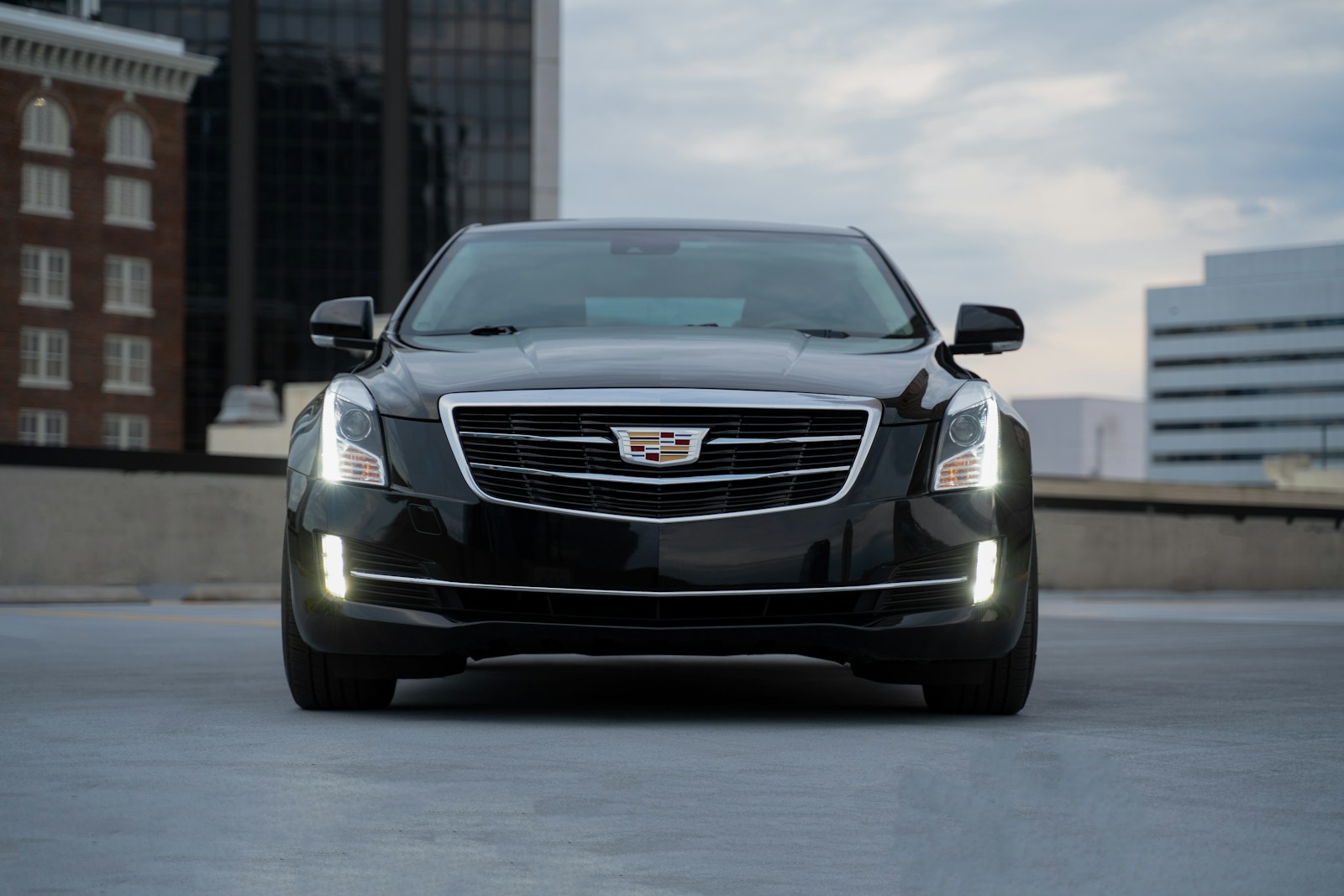

General Motors built a concept car in 2002 with no steering column, no pedals, and no fixed driver’s seat, just a joystick-style control pod that could be handed from the left seat to the right seat mid-drive. Nissan followed three years later with a cabin that physically rotated 360 degrees on its chassis so the car never had to reverse. Neither idea, nor most of what came with them, ever reached a dealer lot. Automakers’ own archived concept materials from that decade are full of interior ideas this ambitious, and the reasons they got cut say as much about manufacturing reality as they do about the ideas themselves.
GM’s Hy-wire Deleted the Steering Wheel Entirely
GM’s Hy-wire concept, unveiled in January 2002, replaced every mechanical link between driver and wheels with a drive-by-wire system, cameras instead of mirrors, and a bank of LCD screens for feedback. Because the fuel-cell powertrain and all propulsion hardware sat flat inside a chassis GM called the AUTOnomy skateboard, the passenger compartment had no engine, no transmission tunnel, and no firewall dictating where the controls had to go. GM’s own materials describe a 2003 version with a single control interface that could be operated from either front seat, and a follow-up 2004 design that put both seats on a rotating platform so driver and passenger could physically swap positions. GM stated at the time it was confident it could bring a commercially viable version of the technology to market by 2010, a target date that came and went without a single drive-by-wire passenger car reaching production.
Nissan Built a Car That Never Needed to Reverse
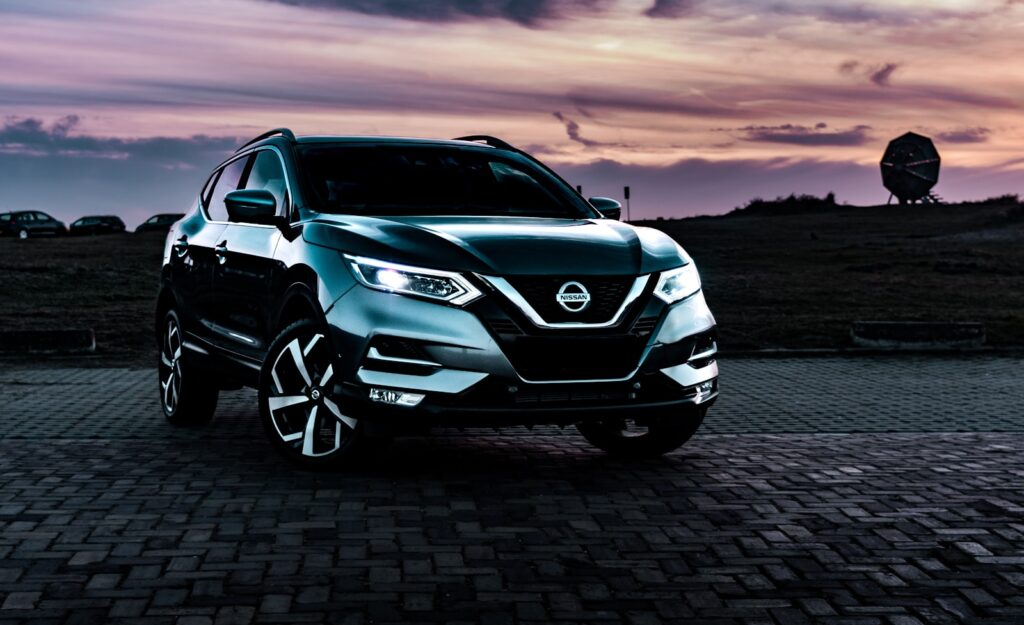
Nissan’s Pivo concept, first shown in 2005, solved parking and reversing by eliminating the need for either: the cabin sat on a chassis that could rotate a full 360 degrees, meaning the car simply spun the passenger compartment to face whichever direction the driver needed to go rather than backing up. Later Pivo generations added a robotic dashboard companion that responded to the driver, and an around-view monitor system that displayed a car’s surroundings on screens built into the A-pillars to cut down blind spots. The rotating-cabin mechanism required a completely different chassis architecture from any production Nissan platform, with hardware and structural compromises that made sense for a motor-show floor and nowhere else. Some of Nissan’s supporting ideas, like that camera-based blind-spot monitor, quietly found their way into later production safety systems even as the rotating cabin itself never did.
Cadillac Put a 1,000-Horsepower Engine Behind a Bulgari Clock
Cadillac’s Sixteen, revealed in 2003, took the opposite approach from Hy-wire’s minimalism: instead of stripping the cabin down, it buried it in excess. A crystal Cadillac emblem was carved into the steering wheel hub, a Bulgari clock sat embedded in the dashboard, and the cabin was trimmed in hand-stitched Tuscan leather with silk carpets intended to echo the brand’s pre-war V16 flagships. Under the hood, GM’s own specifications described a proprietary 13.6-liter aluminum V16 producing at least 1,000 horsepower and 1,000 lb-ft of torque, paired with a cylinder-deactivation system GM called Displacement on Demand that could shut down eight or even twelve of the sixteen cylinders when full output wasn’t needed. None of it reached production as shown, though GM’s own retrospective materials note the Sixteen’s design language eventually echoed decades later in the 2024 Cadillac Celestiq, a far more restrained and electric interpretation of the same ultra-luxury idea.
Why the Ideas Died and the Sketches Survived
The common thread across all three cars isn’t that the engineering didn’t work, it’s that none of it could clear the combination of federal safety regulation, manufacturing cost, and liability exposure that governs an actual production line. A car without a mechanical steering column has to satisfy crash standards no drive-by-wire system had cleared at the time. A rotating cabin means a completely bespoke structural platform that can’t share a single stamped panel with anything else in a lineup, which kills the economics before the engineering even gets challenged. A hand-built 1,000-horsepower V16 with a jewelry-brand clock was never meant to be sold at any volume; it was built to prove a design studio could still dream that big. Every one of these ideas was real, functioning hardware at some point on a show stand, which is exactly why the cars still get pulled out of archives twenty years later while the production cars sold that same year get forgotten.