
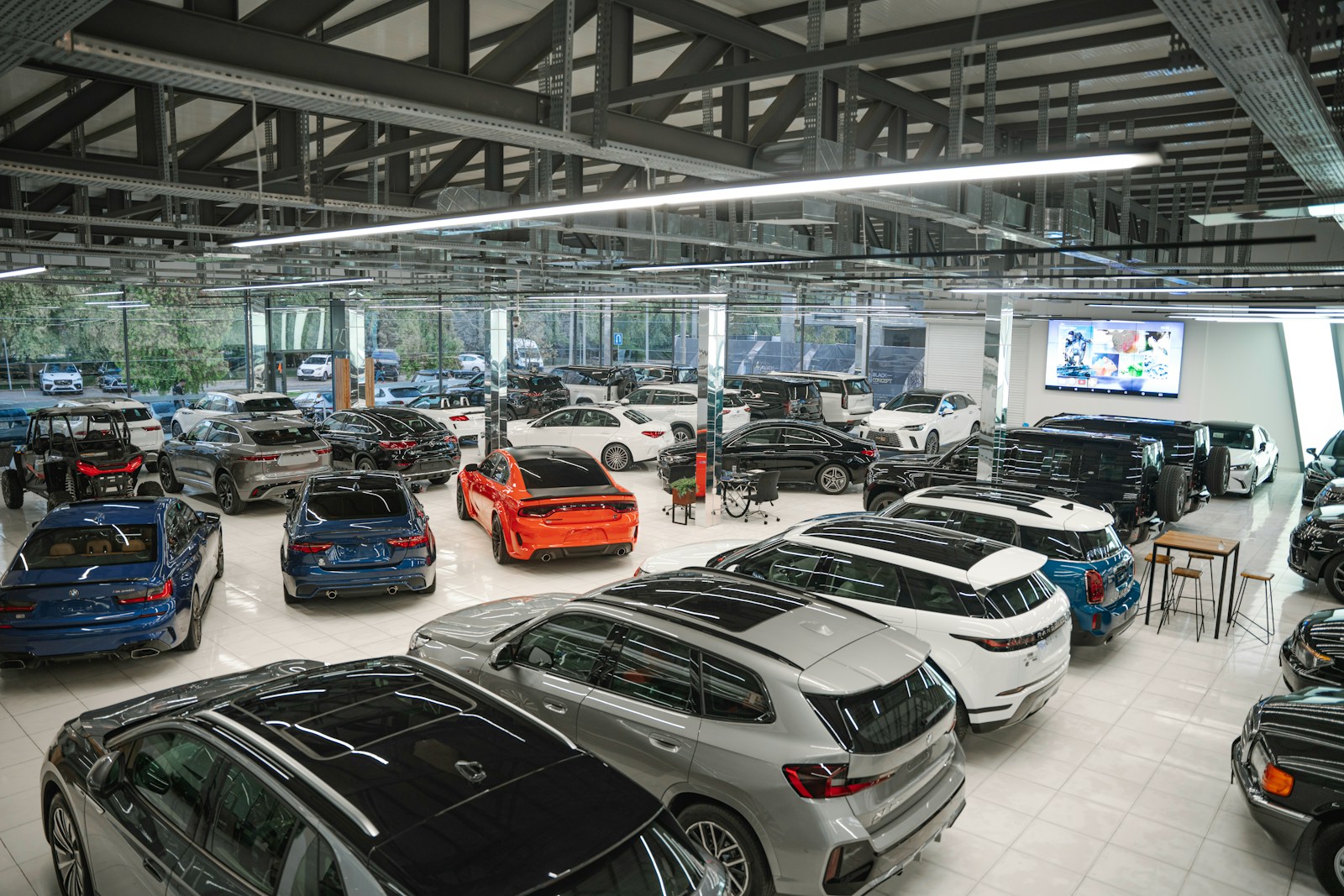

375,000. That’s roughly how many Jeep plug-in hybrids Stellantis has recalled over battery failure and fire concerns — and it’s a big part of why the company is pulling the plug-in hybrid Wrangler, Grand Cherokee, and Chrysler Pacifica from its North American lineup starting with the 2026 model year. Meanwhile, Subaru still won’t sell its plug-in Crosstrek in most of the country at all, and Honda doesn’t offer a single plug-in hybrid in the US market. The reasons aren’t identical across these brands, and none of them are simply “nobody wants one” — the real story runs through regulatory mechanics, safety recalls, and thin profit margins that have nothing to do with how badly a given buyer wants a plug.
Stellantis Is Walking Away After a Costly Recall
Stellantis put the clearest numbers on record. According to reporting on the company’s own announcement, Stellantis will stop selling plug-in hybrid versions of the Jeep Wrangler, Jeep Grand Cherokee, and Chrysler Pacifica in North America beginning with the 2026 model year, citing weak consumer demand relative to conventional hybrids and pivoting instead toward “hybrid and range-extended vehicles.” That shift followed a recall of roughly 375,000 Jeep plug-in hybrids tied to battery failure and fire risk — an expensive, reputation-damaging problem that made the already-thin business case for PHEVs in those models even harder to justify. Traditional hybrids, which don’t require the bigger battery pack or the home-charging behavior change a PHEV asks of buyers, have simply outsold their plug-in siblings across Stellantis’s lineup.
Subaru’s Restriction Has Nothing to Do With Demand
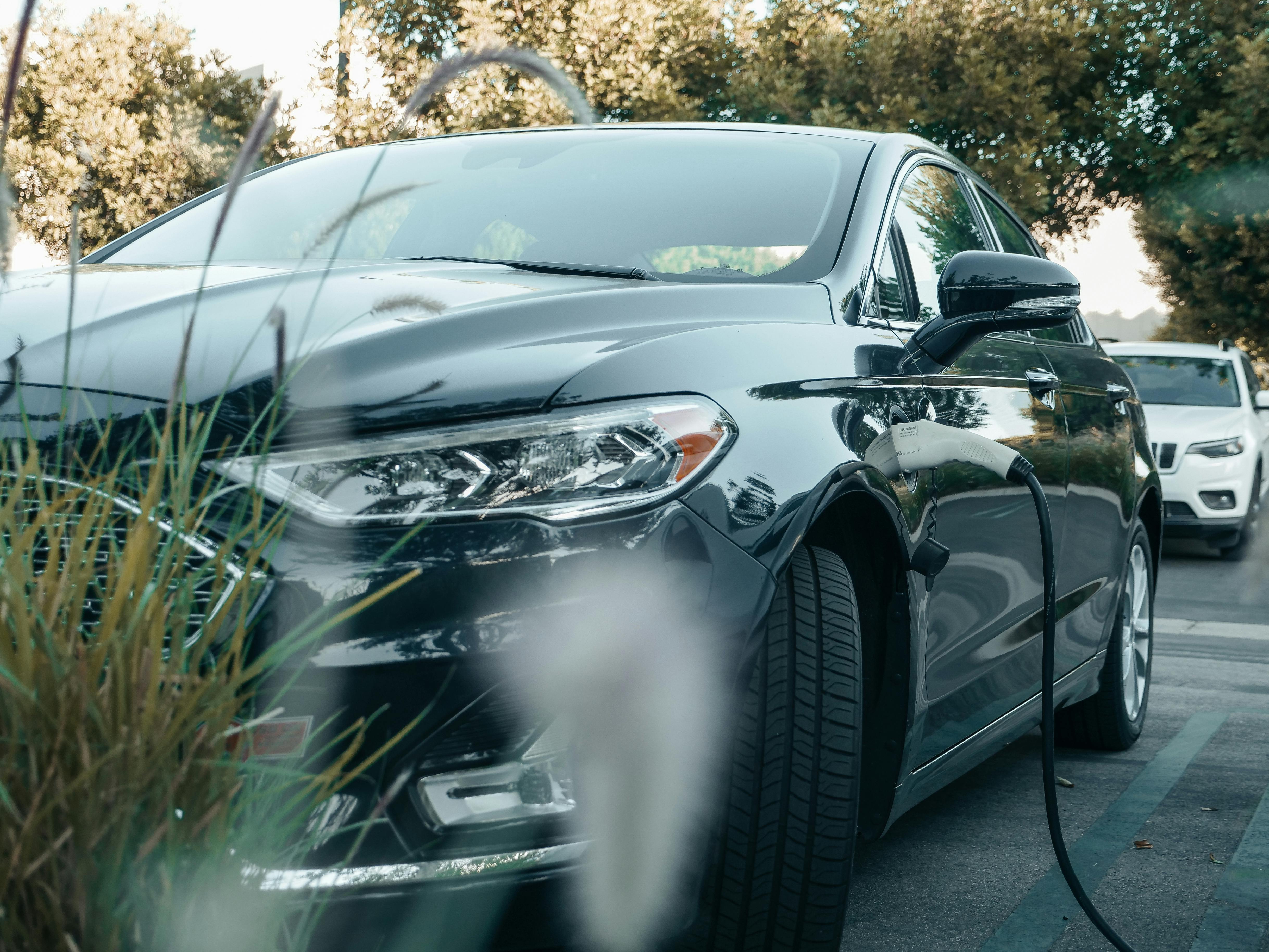
Subaru’s case is stranger, and it has almost nothing to do with how many people want the car. California’s Zero Emissions Vehicle program requires automakers to sell a minimum number of qualifying electrified vehicles tied to their overall sales volume in ZEV-adopting states. Subaru built the Crosstrek Hybrid PHEV in limited quantities specifically to satisfy that requirement, and sold it only in California plus the nine other states that follow California’s ZEV rules — Connecticut, Maine, Maryland, Massachusetts, New Jersey, New York, Oregon, Rhode Island, and Vermont. Buyers in states with genuinely strong EV demand but no ZEV mandate, including Colorado and Washington, simply couldn’t order one new. The car exists because of a regulatory compliance formula, not a sales strategy, and its distribution map is a direct printout of which states have ZEV rules rather than which states want the car most.
For Some Brands, the Math Never Worked
Honda doesn’t sell a plug-in hybrid anywhere in its US lineup, full stop, and the company’s own reasoning for skipping electrified hardware in cost-sensitive segments comes down to margin math rather than engineering capability. Honda has publicly acknowledged it doesn’t currently offer even a conventional hybrid in its cheapest crossovers, the HR-V and Acura ADX, because adding electrified hardware to a budget-priced vehicle either forces a price increase buyers won’t accept or eliminates the model’s profit margin entirely. A plug-in hybrid system costs meaningfully more than a standard hybrid setup — a bigger battery, onboard charging hardware, and the engineering to certify a usable electric-only range — which makes that math even less forgiving than the one Honda has already declined to solve for its regular hybrids.
The Demand Picture Is Real, Just Not Uniform
None of this happened in a market where nobody wants a plug-in hybrid. Toyota’s RAV4 Prime has spent years selling faster than Toyota could build it, with battery supply constraints — not weak interest — limiting how many reached dealer lots nationwide, to the point that dealers were marking the plug-in hybrid up over sticker just to ration a waiting list. The Jeep Wrangler 4xe was, for a stretch, the best-selling plug-in hybrid in America before Stellantis’s own recall and strategy shift changed that trajectory. At the same time, federal registration data tracked by the Energy Information Administration shows PHEV sales pulled back sharply — from 1.9% to 1.4% of new light-duty vehicle sales — after the federal EV tax credit expired in September 2025, even as conventional hybrid sales hit a record 16% share of the new-vehicle market in the same period. That split — genuine, supply-constrained demand for specific, well-executed PHEV models alongside a soft overall category once incentives disappeared — is exactly the kind of uneven picture that lets three different automakers reach three different conclusions about whether a plug-in hybrid is worth building at all.