
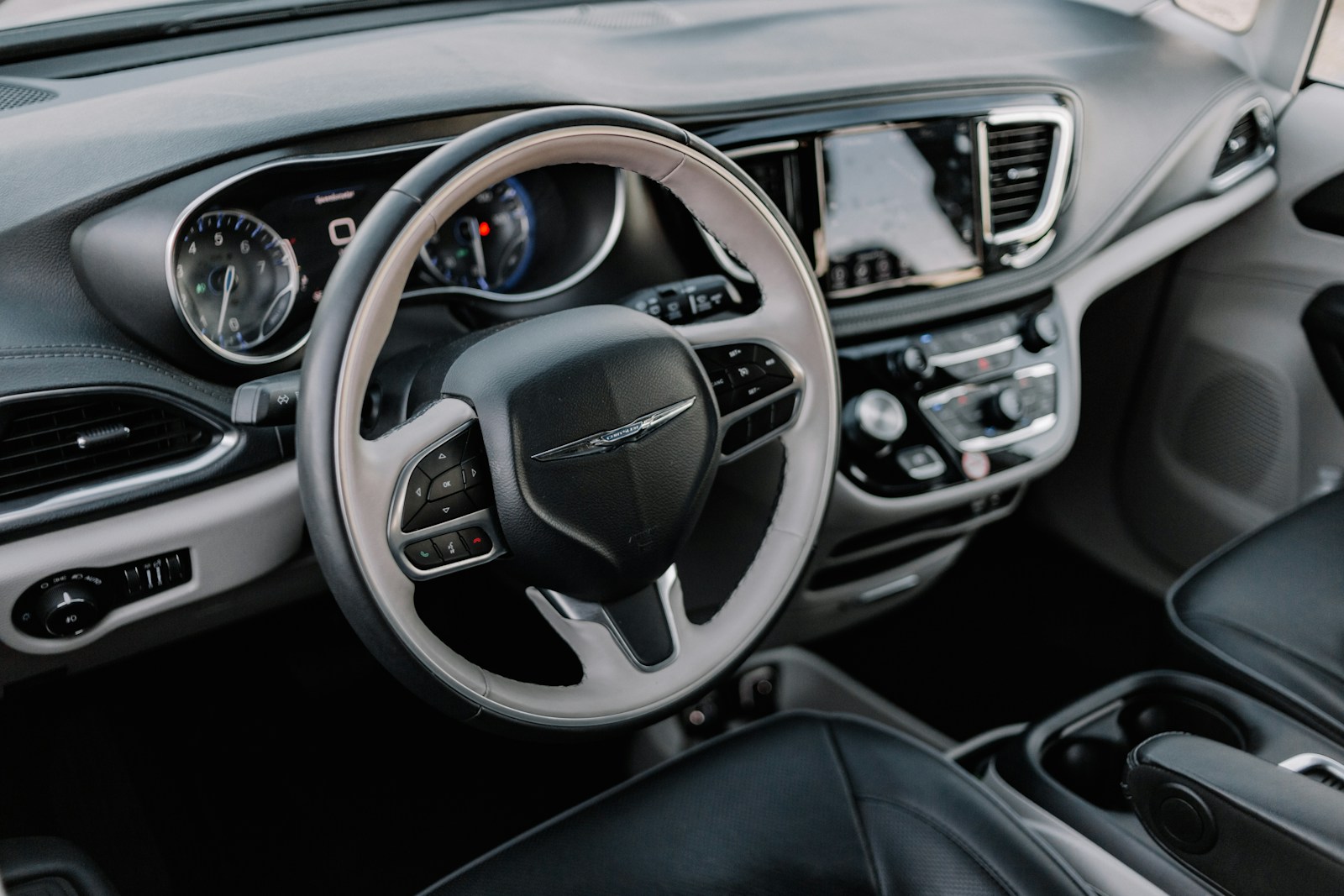

Chrysler spent roughly $55,000 building each unit of its 1963-64 Turbine Car, a figure equivalent to more than $571,000 today once adjusted for inflation. A new Ferrari 250 GT in that same era sold for around $12,000 to $14,000. That means a single Turbine Car’s build cost outran the price of four brand-new Ferraris, and Chrysler built 55 of them. Then, once the public testing program that put the cars in ordinary drivers’ hands wrapped up, Chrysler had 46 of the 55 deliberately burned and crushed at a scrapyard. It remains one of the most well-documented cases of an automaker intentionally destroying its own experimental fleet, cost figures and all.
A Real Test Fleet, Not a Single Show Car
The Turbine Car wasn’t a one-off motor show mockup. Chrysler built 55 running, drivable examples and loaned them out to more than 200 ordinary American families between 1963 and 1966 as part of a real-world consumer testing program, each car powered by a fourth-generation Chrysler turbine engine capable of running on diesel, unleaded gasoline, kerosene, and even tequila as a novelty demonstration. The body cost alone, built by Italian coachbuilder Ghia, ran approximately $20,000 per car. Chrysler never publicly disclosed what the turbine engine itself added on top of that, keeping the full per-unit cost partially obscured even as the overall $55,000 figure became widely reported.
The turbine powerplant itself was the real engineering pitch behind that price tag. A turbine engine has roughly one-fifth the moving parts of a comparable piston engine, needs no water pump, no conventional radiator, no fan belt, and no spark plugs, and Chrysler’s engineers argued it would run for hundreds of thousands of miles with a fraction of the maintenance a V8 required. That was the entire premise of putting the fleet into the hands of real families rather than test-track engineers: Chrysler needed to know whether an entirely different kind of engine held up to the oil changes, cold mornings, and stop-and-go traffic of ordinary American life, data no dynamometer in Detroit could generate on its own.

Then Chrysler Burned Most of Them
Once the consumer loan program ended, Chrysler didn’t sell the fleet off or donate it piecemeal. According to the documented account, forty-five of the cars were burned and crushed at a scrapyard south of Detroit, with a forty-sixth destroyed separately at Chrysler’s Chelsea Proving Grounds. The long-circulated explanation, that the cars were destroyed to dodge steep import duties on their Italian-built bodies, has since been called into question by automotive historian Steve Lehto’s research into the program. The more credible motive centers on liability and maintenance: Chrysler didn’t want a fleet of unsupported turbine engines scattered across used-car lots with no factory network able to service them, and reportedly worried that owners would eventually swap the exotic powerplants for conventional engines, undermining the entire point of the research program.
What’s Left Today
Only nine of the original 55 Turbine Cars survive. Chrysler kept two for itself, six are held across major American collections including the Henry Ford Museum, the Smithsonian, the Petersen Automotive Museum, the Detroit Historical Museum, the National Museum of Transportation, and the Stahls Automotive Collection, and one is privately owned by television host and car collector Jay Leno. That a program this expensive, this experimental, and this thoroughly photographed and reported on at the time still lost 84 percent of its physical output to deliberate destruction says something about how differently automakers once treated experimental hardware. Modern concept programs get archived, restored, and wheeled out for anniversary tours. Chrysler’s turbine fleet mostly went to the crusher instead.
Why the Number Still Stands Out
Adjusted for inflation, the total build cost of the surviving documentation on the Turbine Car program runs well into the tens of millions of dollars across the full 55-car fleet, placing it among the most cost-intensive experimental vehicle programs an American automaker has ever put into the hands of real drivers rather than locking away in a design studio. Most concept-car spending never reaches the public at all; it lives and dies inside a styling dome, never driven by anyone outside the company. Chrysler’s decision to put that much money on the road with ordinary families, then destroy the majority of the hardware once the experiment concluded, is what makes the Turbine Car’s story unusual even by the standards of an industry that has never been shy about spending big on cars that were never meant to be kept.