

It’s not just humans who have to battle with the elements; our cars do, too. From the scorching summer sun to frigid winter snow, and everything in between, the weather can wreak havoc on our vehicles.
If not properly protected, the elements can cause significant damage to your car’s exterior and interior, leading to expensive repairs or reduced value. This is why it’s essential to know how to protect your car from the elements.
Regular Washing
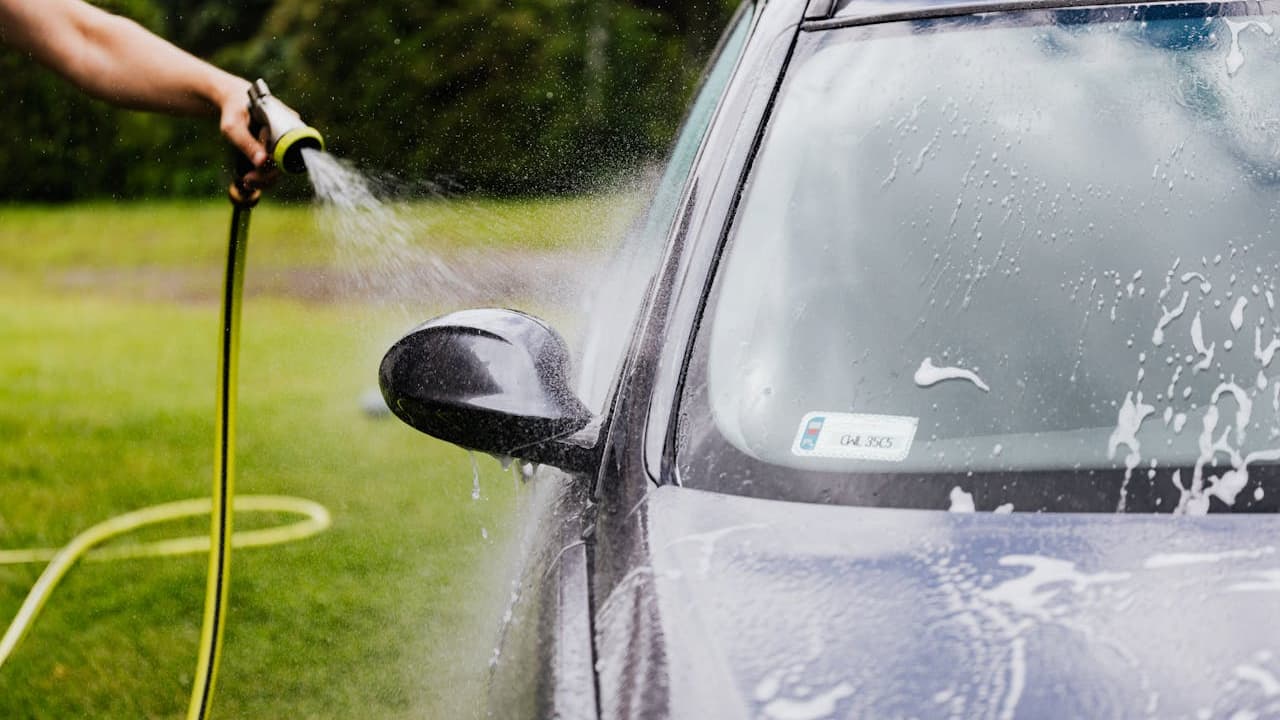
Just like us, our cars need regular cleaning. Dirt, dust, bird droppings, and other grime can eat away at the car’s paint and cause rust over time. By washing your car regularly, you can remove these harmful substances.
However, it’s not just about hosing down your vehicle. Use a car-specific soap, as household detergents can strip away the protective wax coating. Also, remember to clean the underside of your car, especially after driving on salted roads during winter. Salt can accelerate rusting and damage the undercarriage.
Waxing
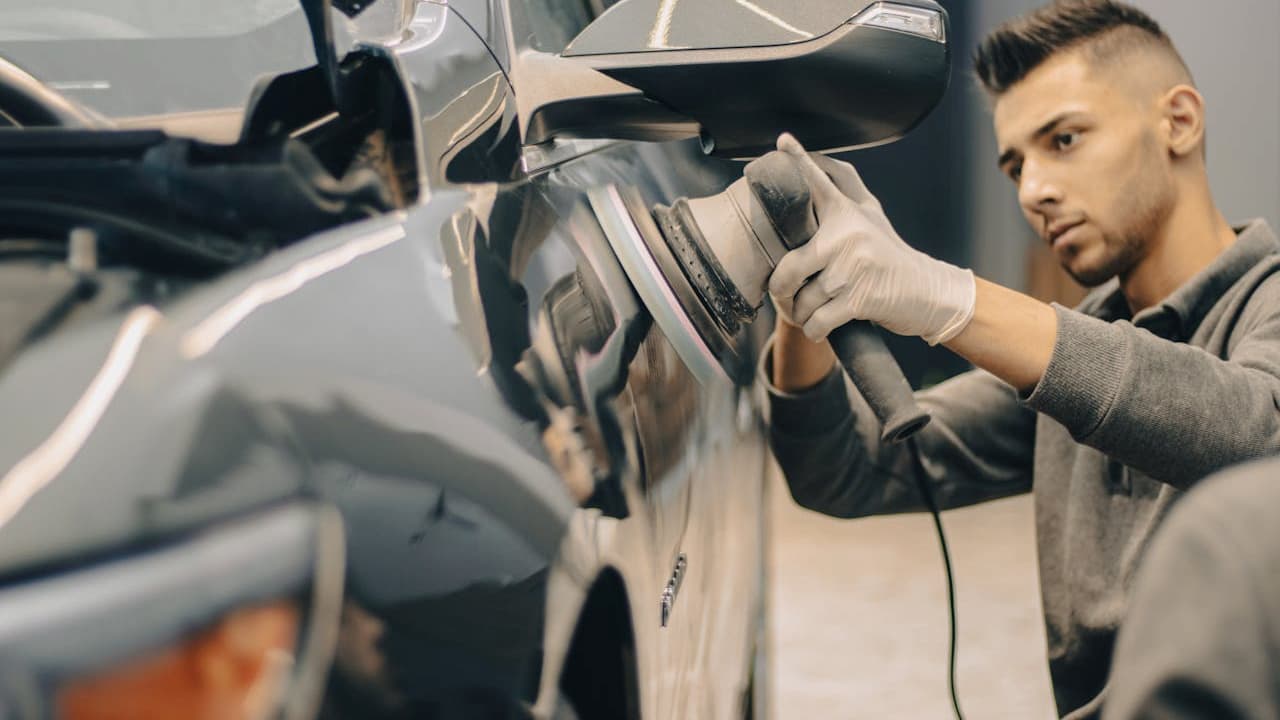
Wax is not just for making your car look shiny. It also serves as a protective barrier against the elements.
Applying a good quality car wax can shield your car’s paint from harmful UV rays, which can fade the paint over time. It also provides a barrier against dirt, bird droppings, and other grime, making it easier to clean your vehicle. Aim to wax your car every three months for optimal protection.
Use A Car Cover
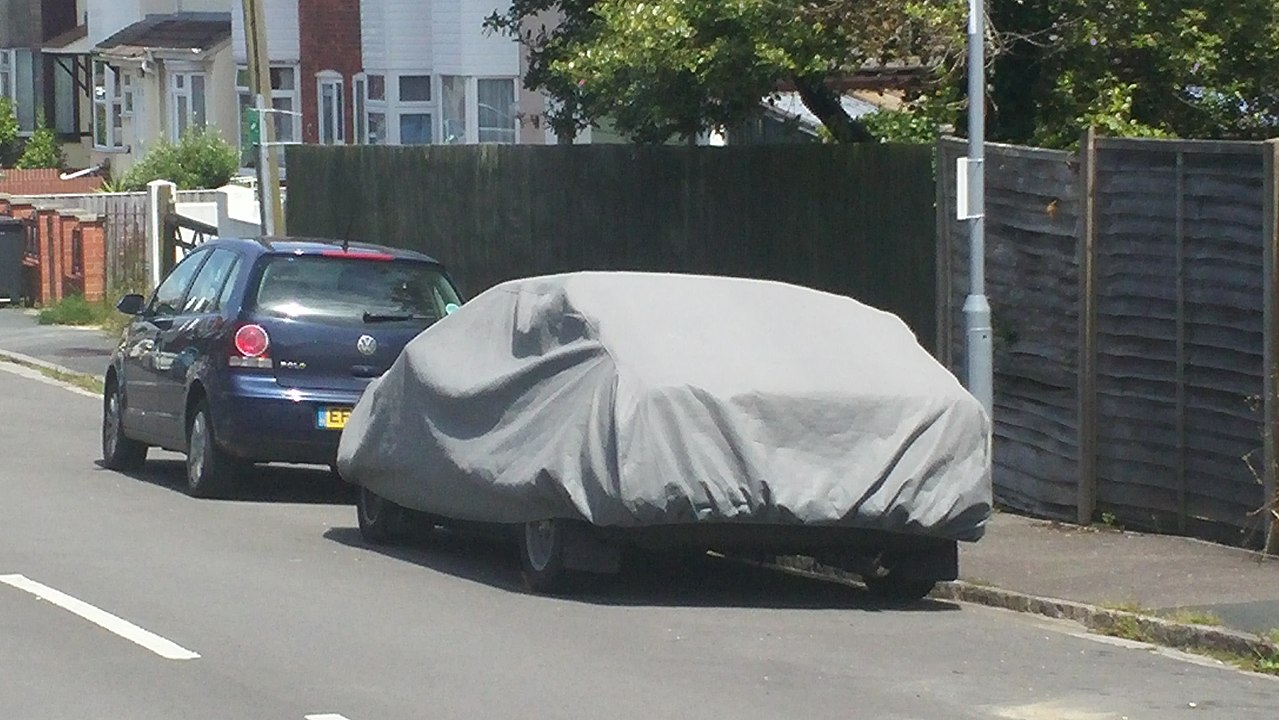
If you don’t have access to a garage or carport, a car cover can be a great way to protect your vehicle from the elements.
Car covers shield your vehicle from harmful UV rays, rain, snow, and even scratches from animals or tree branches. They also protect your car’s interior from sun damage. Just make sure the cover fits properly and is made from breathable material to prevent moisture buildup, which can cause rust.
Avoid Parking Under Trees

While parking under a tree might provide some shade, it can also pose some risks.
Tree sap and bird droppings can damage your car’s paint. Falling branches can also cause dents or scratches. If you must park under a tree, make sure to clean any debris off your car as soon as possible.
Use A Windshield Sun Shade

The sun can not only damage your car’s exterior but also its interior.
Using a windshield sunshade can protect the dashboard and seats from fading and cracking due to sun exposure. It also helps to keep the car’s interior cooler during hot summer days.
Install Mud Flaps

Mud flaps, also known as splash guards, can protect your car from road debris.
These accessories are especially useful if you often drive on gravel or dirt roads. Mud flaps can prevent stones, dirt, and other debris from hitting and potentially damaging your car’s paintwork.
Apply Fabric Protector

If you have fabric seats, they can be susceptible to staining and fading.
Applying a fabric protector can help to repel spills and prevent stains. It also shields the fabric from harmful UV rays that can cause the material to fade over time.
Use Rubber Floor Mats

Rubber floor mats are a great way to protect your car’s carpet from dirt, mud, and water.
These mats are easy to clean and can prevent damage to your car’s interior. They are especially useful in winter when snow, salt, and ice can be brought into the car on your shoes.
Check Your Tire Pressure

Correct tire pressure is crucial for safe driving. However, did you know that the weather can affect your tire pressure?
Tire pressure can decrease in cold weather and increase in hot weather. Therefore, it’s essential to check your tire pressure regularly and adjust it as necessary to prevent tire damage and ensure optimal performance.
Protect Your Battery
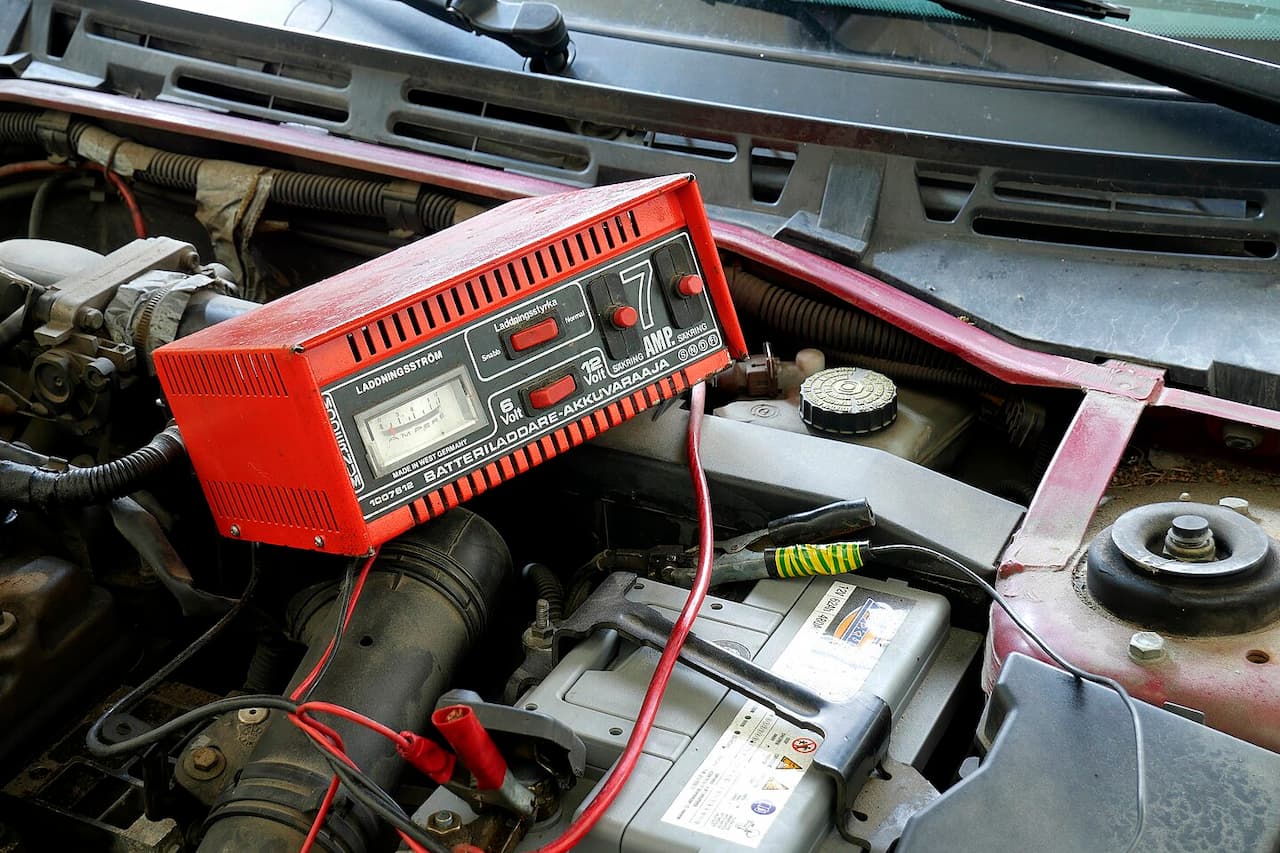
Your car’s battery can also be affected by extreme temperatures.
During winter, make sure to keep your battery fully charged as it can lose power in frigid conditions. In summer, clean any corrosion from the battery terminals, which can occur due to heat, to ensure a good connection.
Use Antifreeze

Antifreeze, also known as coolant, is crucial for preventing your engine from freezing in winter and overheating in summer.
Make sure to check the antifreeze level regularly and top it up if necessary. Also, have your cooling system flushed and refilled every two years.
Replace Your Wiper Blades

Windshield wipers are crucial for your visibility during rain and snow. However, they can wear out over time due to exposure to the elements.
Replace your wiper blades every six months or when you notice a decrease in performance. Also, during winter, make sure to clear any ice or snow from the windshield before using the wipers to prevent damage.
Keep Your Fuel Tank Full

This tip might seem unrelated to protecting your car from the elements, but it’s especially important during winter.
Keeping your fuel tank full can prevent condensation from forming in the tank, which can freeze and cause damage. It also ensures that you have enough fuel in case of emergencies, such as getting stuck in snow.
Protect Your Lights
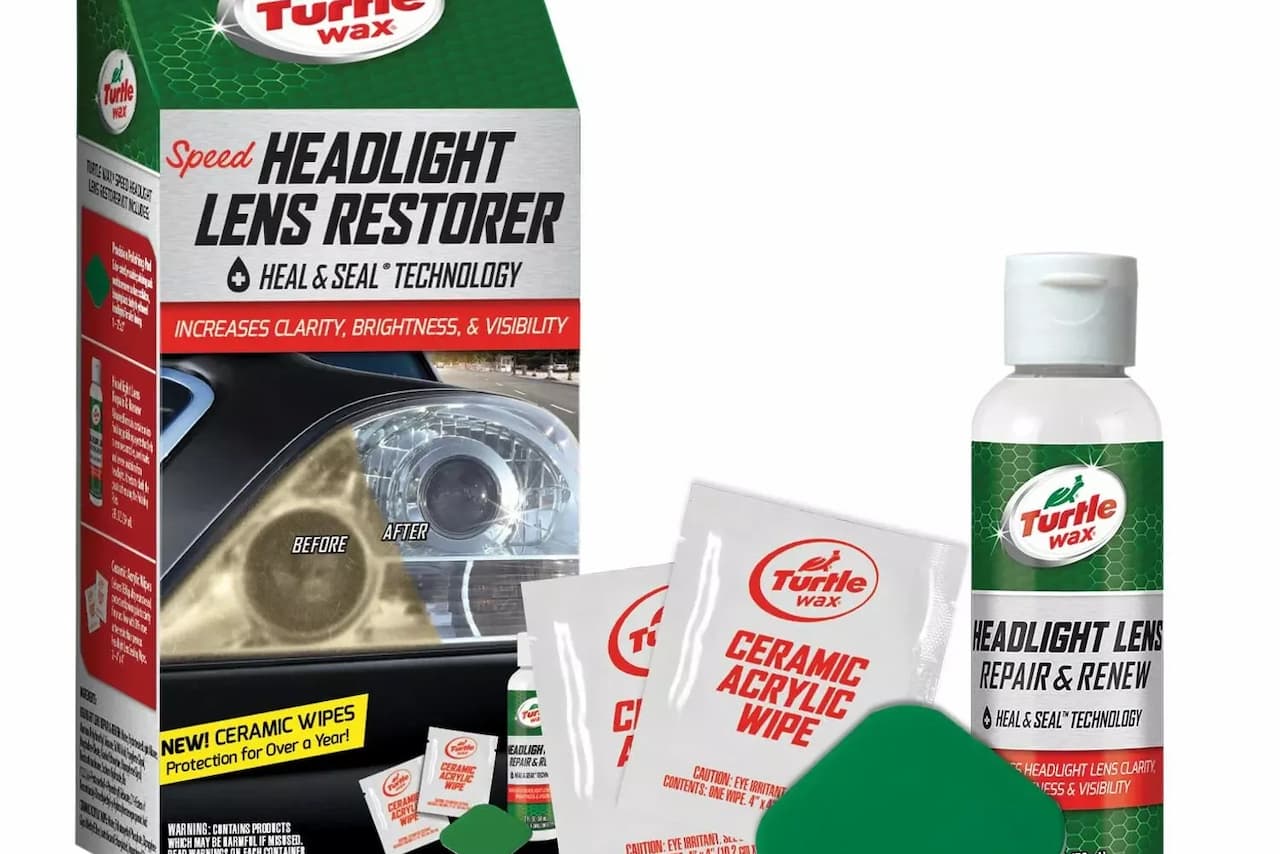
Your car’s lights are essential for visibility and safety. However, they can become foggy or yellowed due to exposure to the sun and other elements.
Consider applying a headlight restoration kit or a UV sealant to protect your lights. Also, clean them regularly to ensure optimal visibility.
Regular Maintenance
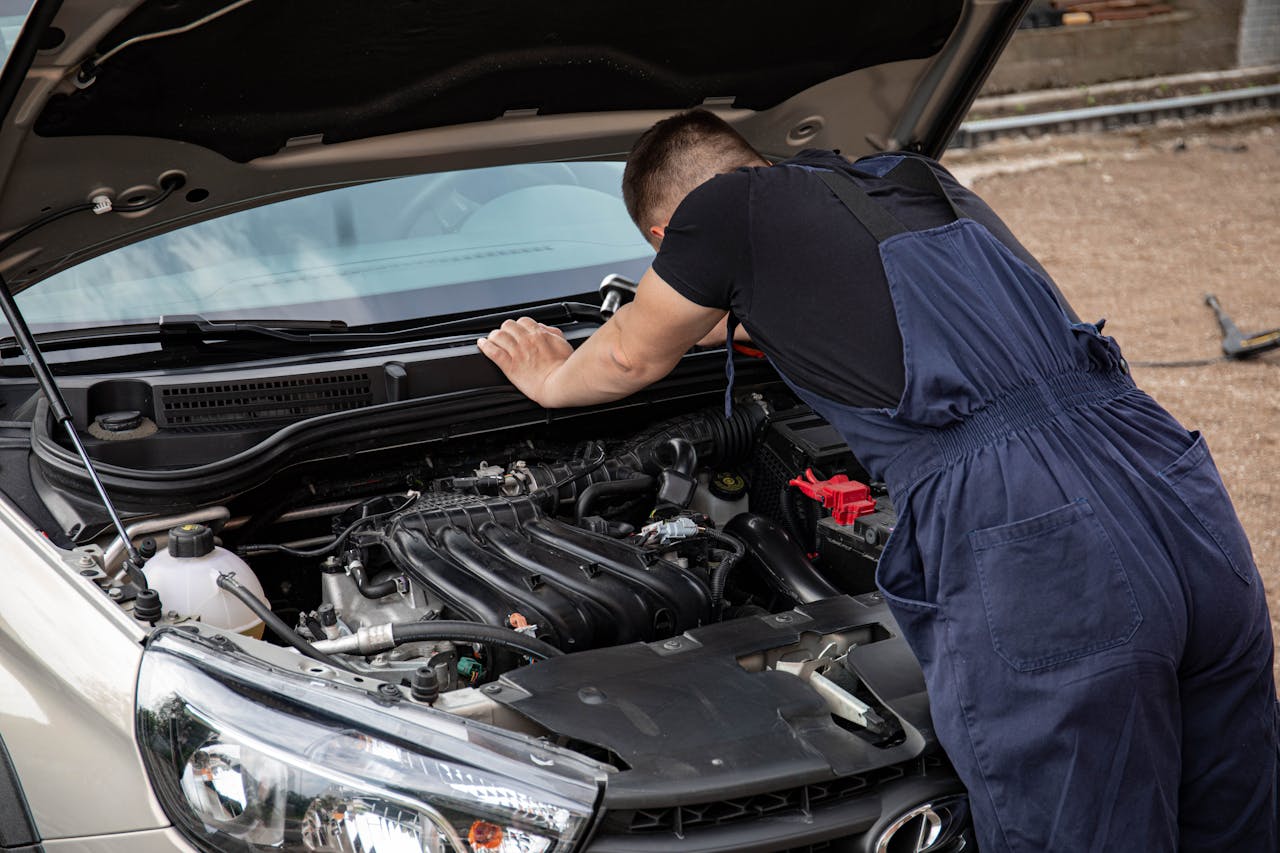
Lastly, regular maintenance is key to protecting your car from the elements.
Routine inspections and services can catch any potential issues early before they become major problems. Remember to regularly check and maintain your car’s fluids, brakes, tires, and other components. A well-maintained car is not only safer and more reliable but also more resistant to the effects of the weather.