
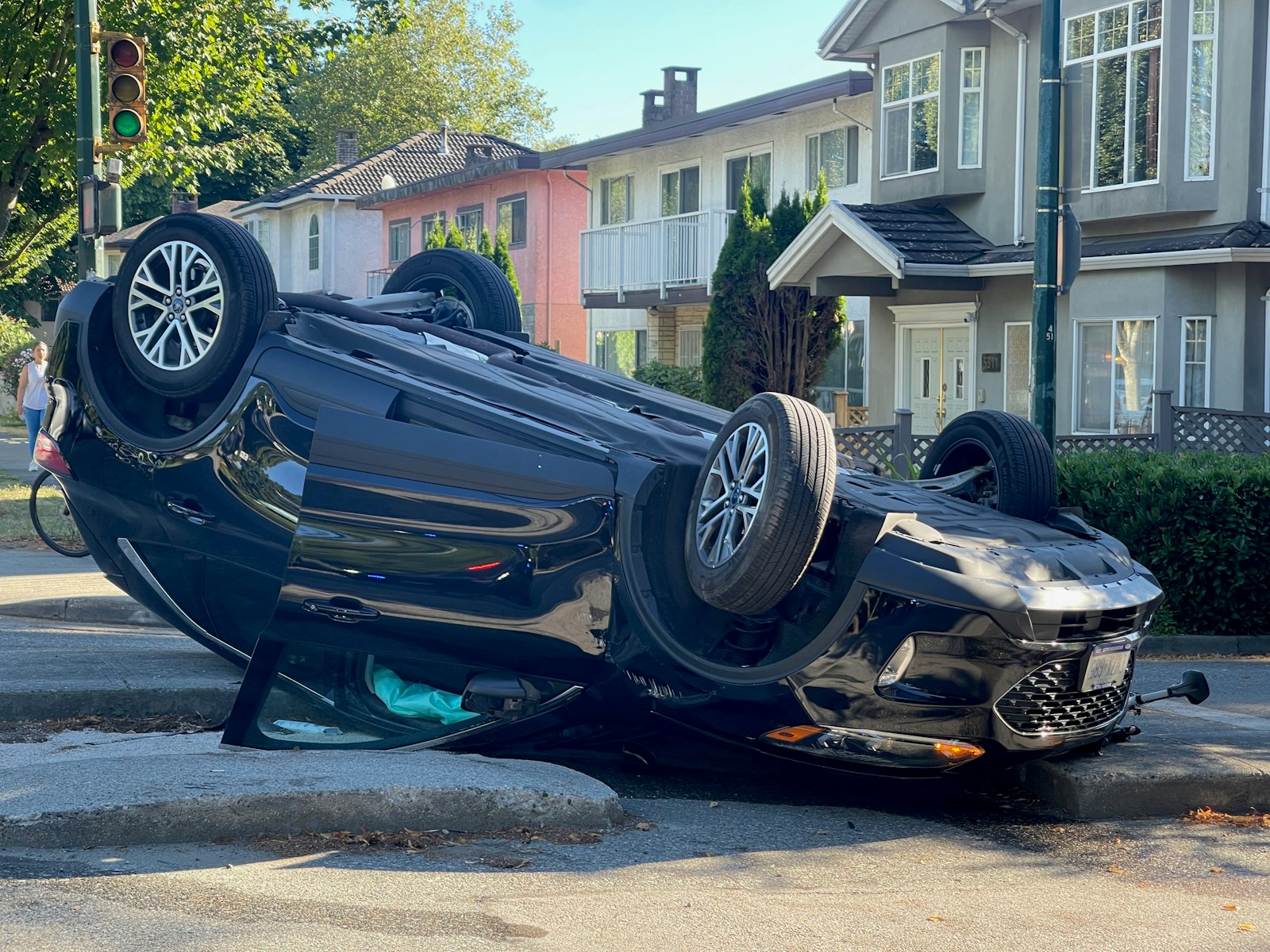


Total your car in a crash, and the standard playbook most insurers walk you through goes like this: the adjuster pays out actual cash value, the wrecked vehicle becomes the insurer’s property, and it heads to a salvage auction where a buyer picks it up for parts, repair, or resale. What almost never gets said out loud during that phone call is that the original owner, in every state, has the option to keep their own wrecked car instead of surrendering it to that auction. It’s not automatic and it’s not free, but the right exists everywhere — and insurers routinely let policyholders walk away without ever mentioning it.
Every state allows an owner to keep a totaled car — the process just isn’t advertised
According to a state-by-state breakdown of salvage and total-loss rules published by Insurance.com, “all states allow you to keep your vehicle after it’s totaled by insurance,” though the paperwork and inspection requirements to get it back on the road legally vary considerably by state. The arrangement is formally known as owner-retained salvage: rather than the insurer taking possession and selling the wrecked car at a salvage auction, the policyholder tells the adjuster they want to keep it, and the settlement gets recalculated to account for that choice. Because insurers benefit financially when a totaled car goes to auction — salvage buyers pay real money for wrecks, and that revenue offsets what the insurer paid out — there’s no incentive built into the claims process for an adjuster to proactively raise the owner-retention option unless the policyholder asks first.
How the payout changes when you keep the car
Choosing to keep a totaled vehicle isn’t a way to get a bigger check — it’s the opposite, and understanding the math matters before deciding. In a standard total-loss settlement, the insurer pays the vehicle’s actual cash value minus the policy deductible, then takes the wrecked car and sells it for salvage value on its own. When an owner opts to retain the vehicle instead, the insurer deducts that same salvage value from the settlement up front, since the owner is effectively buying the wreck back from the insurer as part of the claim. The net result: a smaller settlement check, a car with a branded salvage title, and full responsibility for whatever repairs and state inspections are required before it can be legally registered and driven again.
The paperwork hurdle that trips people up
Retaining a salvage vehicle isn’t as simple as saying “I’ll keep it” and getting the keys back — it runs through a formal state process, and every state has one. In Texas, when an insurer pays a total-loss claim but the owner keeps the vehicle, state law requires the insurance company to file an official Owner Retained Report with the Texas Department of Motor Vehicles, according to the agency’s own Form VTR-436, filed within 30 days of the claim. That filing documents which major components were damaged and classifies the vehicle as either repairable salvage or nonrepairable — a distinction that determines whether the owner can eventually get a rebuilt title or is barred from ever putting the car back on the road at all. Georgia runs a parallel process through its Department of Revenue: when an owner retains a wrecked vehicle, the insurer must submit a signed salvage title application along with a “Notice to Owner – Payment of a Total Loss Claim” form to the state’s Motor Vehicle Division Salvage Unit, according to Georgia’s own published procedure, before a branded salvage title is issued in the owner’s name. Every state requires that branded salvage title once an insurer declares a vehicle a total loss, and getting the car back on public roads typically means passing a state safety or structural inspection afterward — a step designed to catch damage too severe to safely repair, regardless of what the owner is willing to spend fixing it.
Why insurers rarely bring it up first
Nothing in state insurance regulation requires an adjuster to volunteer the buyback option during a total-loss conversation — it’s a right the policyholder generally has to invoke themselves, and most people simply don’t know to ask. That silence isn’t necessarily bad faith on any individual adjuster’s part; it’s a structural incentive built into how claims get processed. An insurer that sells a totaled vehicle at a salvage auction recovers additional money on top of whatever premiums and reserves already covered the payout, while an owner-retained vehicle produces less net revenue for the insurer once the salvage-value deduction is factored in. The option exists on paper in every state, but exercising it requires the policyholder to bring it up unprompted, in the middle of an already stressful claims conversation.
- Every state allows a policyholder to retain their own totaled vehicle rather than surrender it to a salvage auction.
- Choosing to keep it reduces the settlement check by the vehicle’s salvage value, not increases it.
- The car receives a branded salvage title and typically needs a state safety inspection before it can be legally driven again.
- Insurers have no regulatory obligation to raise the buyback option first — it’s on the owner to ask.
The buyback right isn’t hidden in fine print — it’s just never the default script an adjuster reads from, because the insurer’s own bottom line points the other way. Anyone facing a total-loss call who has an emotional or financial reason to want their car back is better off asking about owner retention directly, on the record, before the vehicle gets routed to auction and the option quietly disappears.