
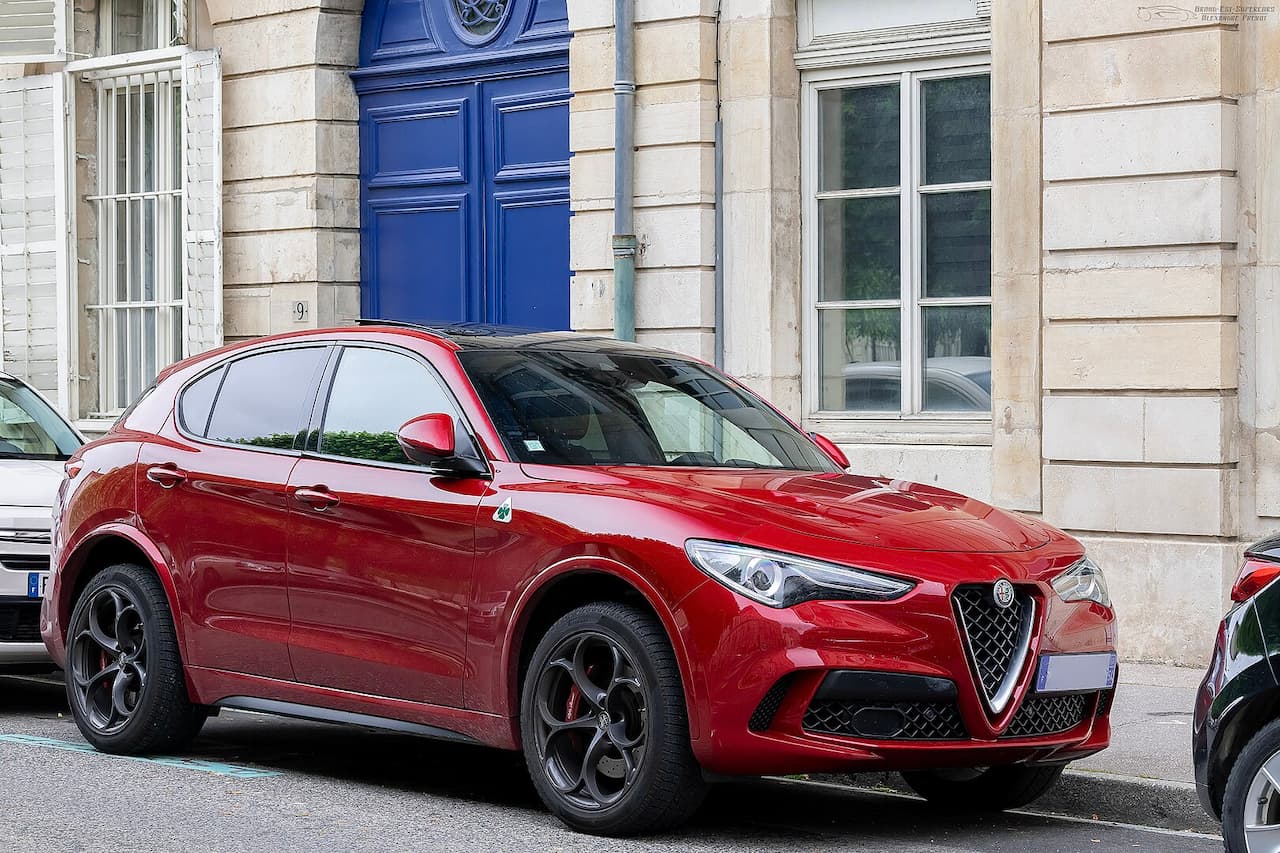

Driving a car is more than getting from point A to point B; it’s about the journey and the experience. But sometimes, even with the most luxurious cars, there are features that just make the ride less enjoyable.
These features range from being inconvenient, distracting, or just plain unnecessary. In this article, we’ll take a look at the 15 worst car features to ever exist, and why they probably should have stayed on the drawing board.
1. Touch-Sensitive Controls
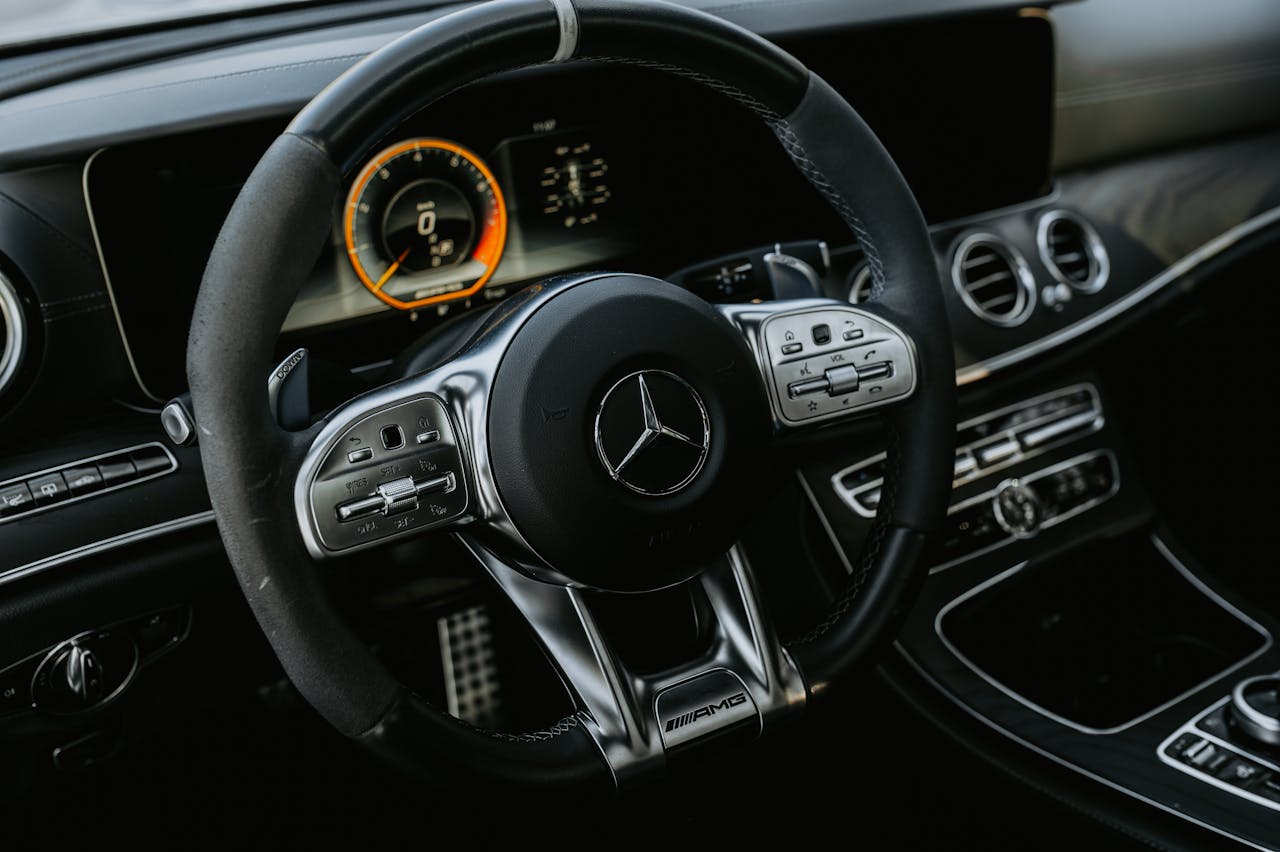
Touch-sensitive controls might seem like a cool, high-tech feature, but they’re more of a nuisance than anything else. They often require drivers to take their eyes off the road to ensure they’re hitting the right buttons. This can be dangerous, especially when you’re trying to adjust something like the volume or the temperature.
Additionally, they’re not always responsive. It’s frustrating when you have to repeatedly tap or swipe a control to get it to work. Traditional knobs and buttons may not be as sleek, but they’re much more practical and safer.
2. Voice-Controlled Systems
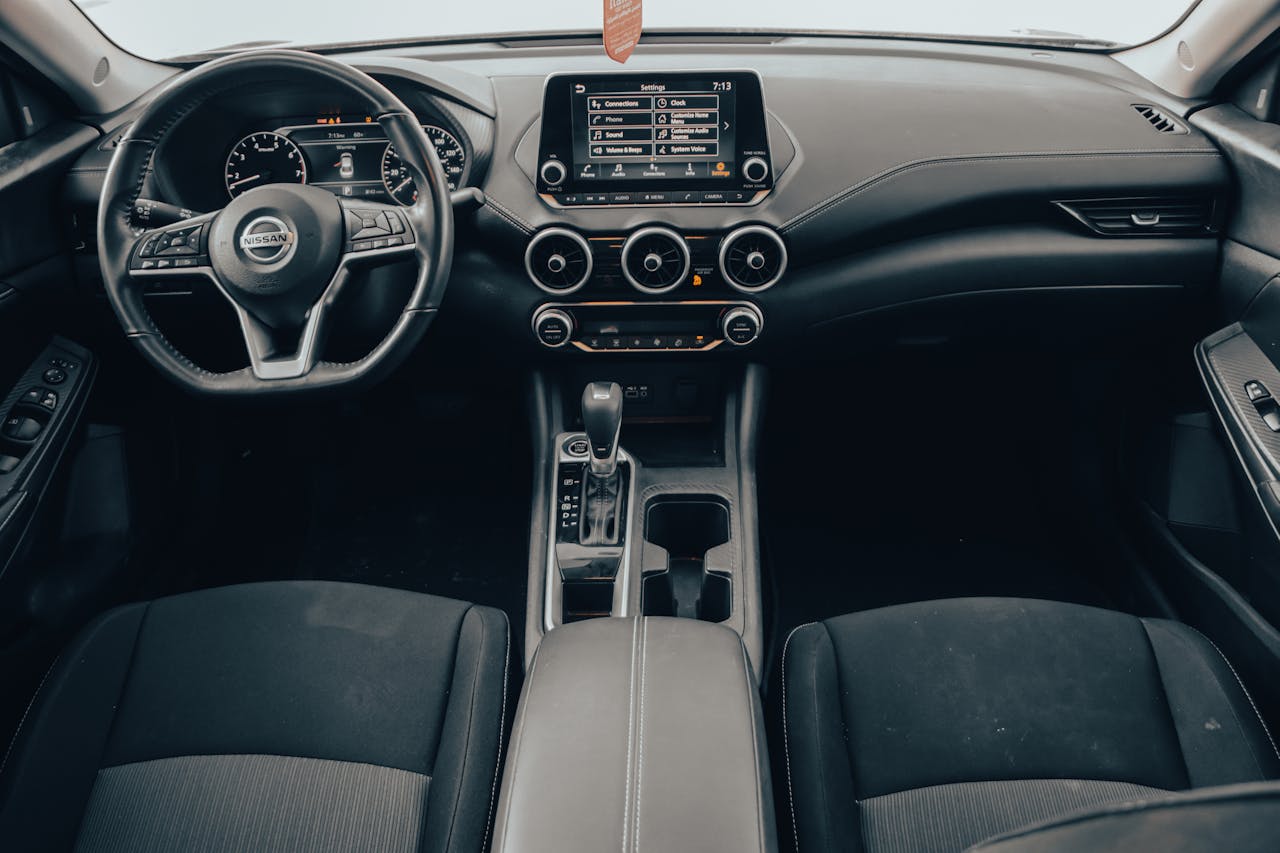
Voice-controlled systems were intended to promote hands-free, focused driving. However, they often fail to understand commands, leading to repeating phrases and increasing frustration.
Many drivers have complained about these systems not recognizing their accents or misinterpreting their commands. This not only detracts from the driving experience but can also be a dangerous distraction.
3. Fake Engine Noise
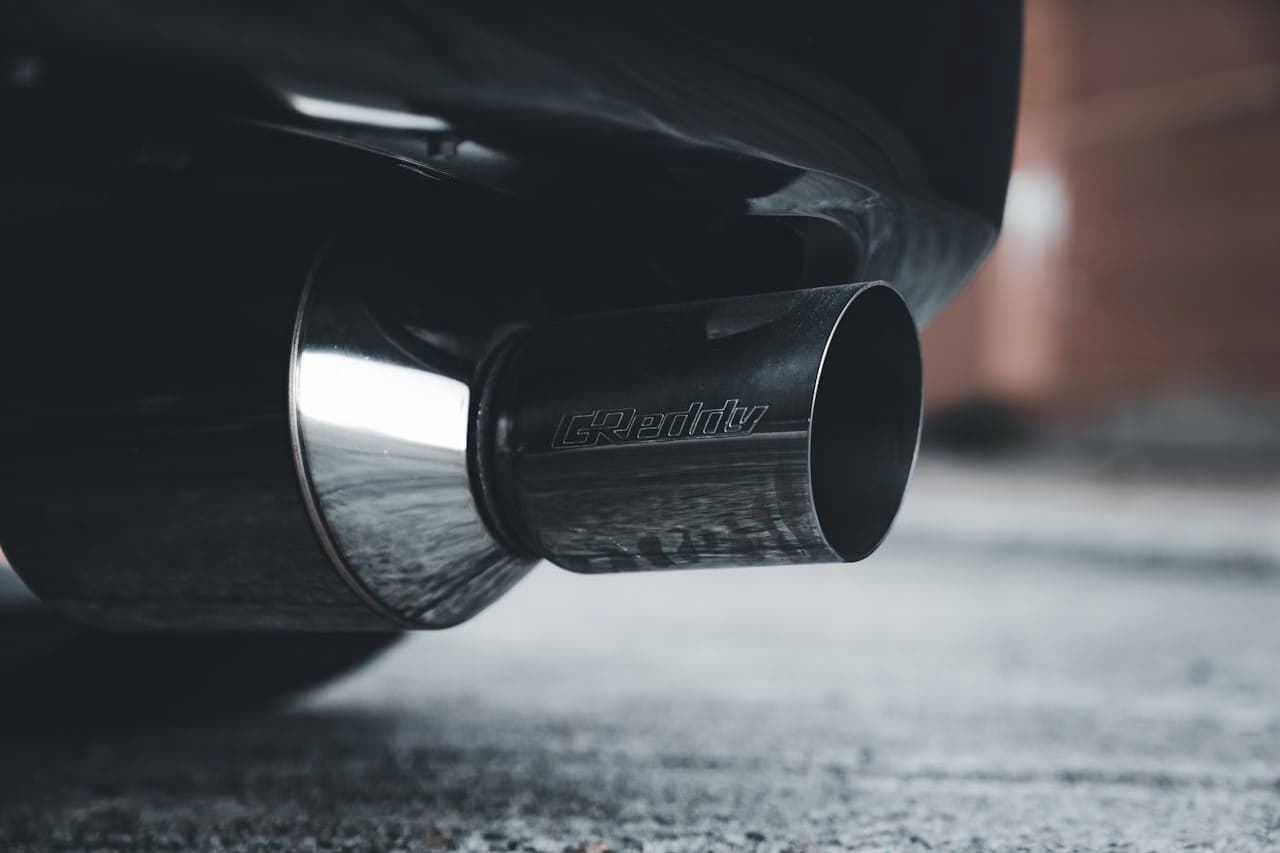
Some cars, especially electric or hybrid ones, pump artificial engine noise into the cabin. This is supposedly to give drivers the feel of a powerful engine. However, many drivers find this feature unnecessary and annoying.
In many cases, the artificial noise doesn’t even convincingly mimic a real engine. It just sounds like an incessant drone. If you’re driving an electric car, you probably appreciate the quiet, so this feature is completely counterproductive.
4. Complicated Infotainment Systems
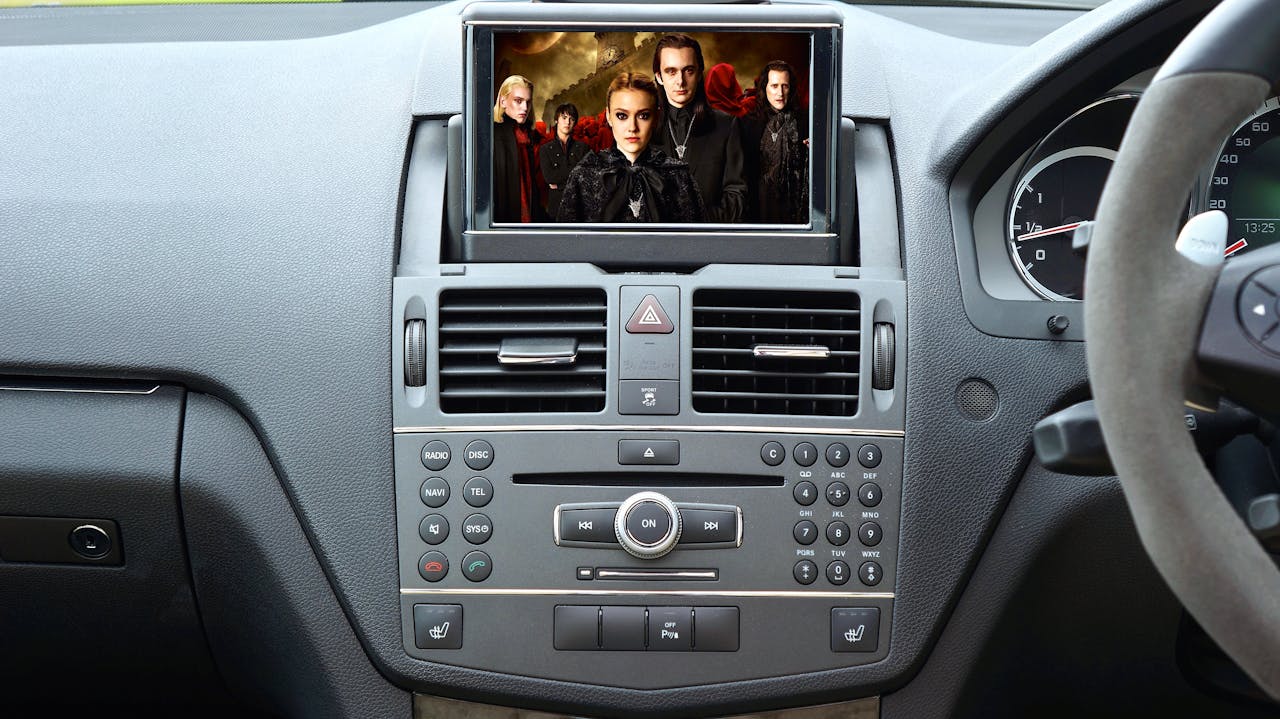
While infotainment systems can add value to a car, some are so complex that they’re more distracting than helpful. These systems often require drivers to navigate through multiple menus just to change the radio station or use the navigation.
This forces drivers to take their eyes off the road for prolonged periods. A simple, intuitive system that allows drivers to quickly access the features they need would be much more beneficial.
5. Overly Aggressive Start-Stop Systems
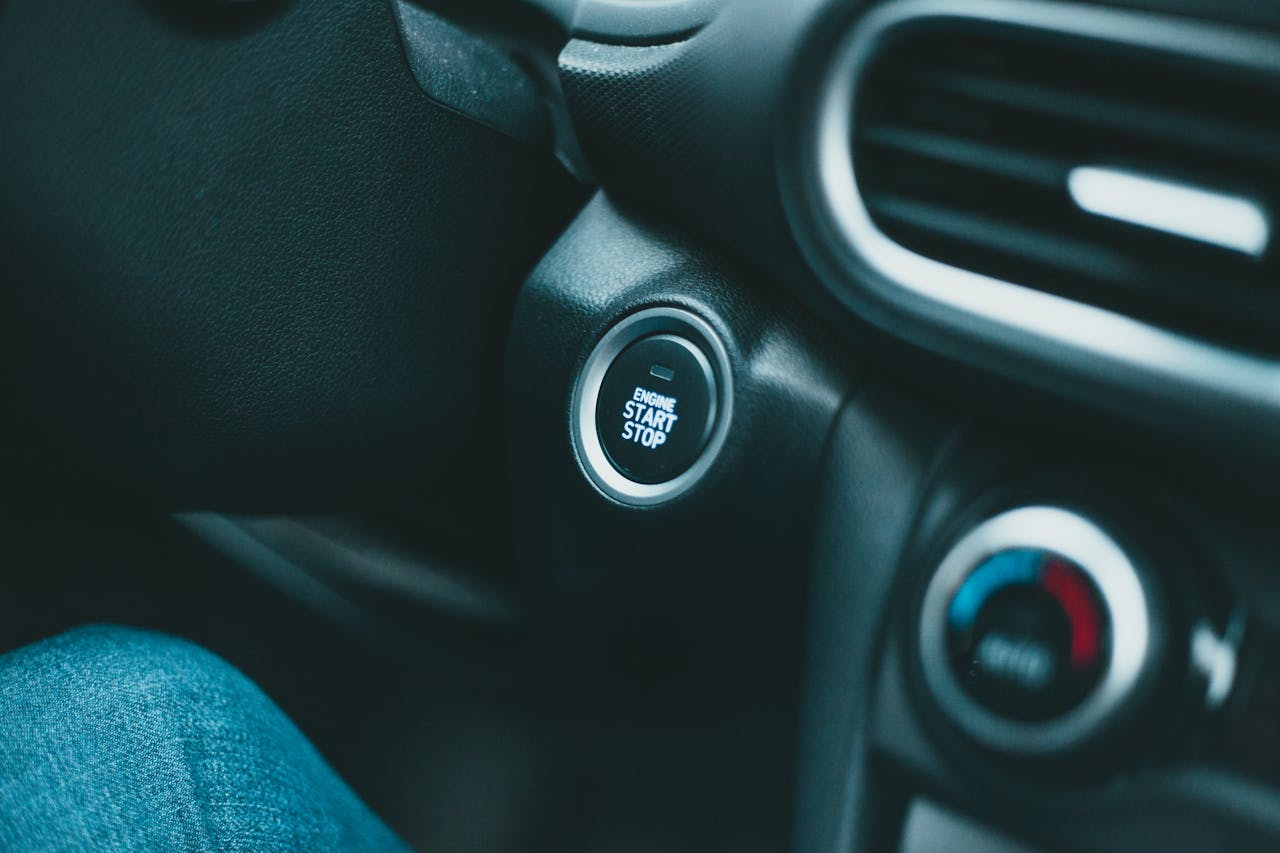
Start-stop systems are designed to save fuel by shutting off the engine when the car comes to a complete stop. However, some cars have overly aggressive start-stop systems that can be jarring and annoying.
These systems often restart the engine with a noticeable shudder, and they can even interfere with the operation of the air conditioning or heating. While it’s a good concept, it needs more refinement in many models.
6. Massive Key Fobs
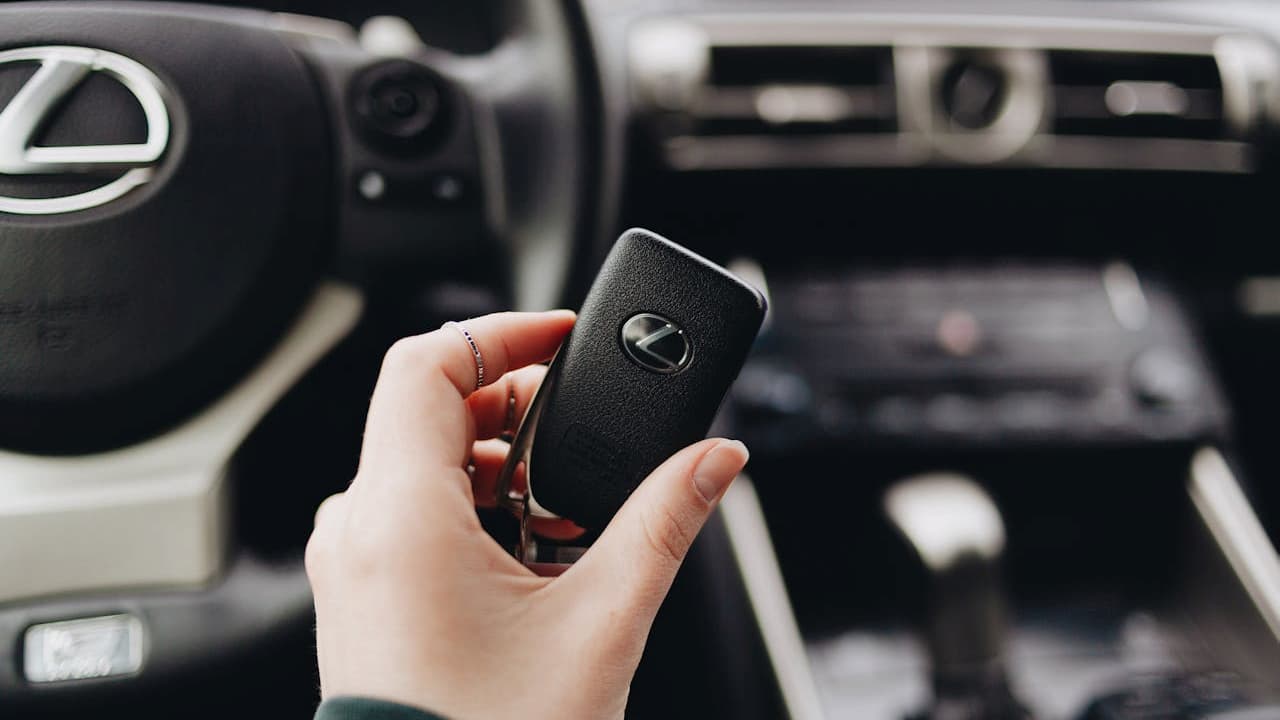
Key fobs have become larger and larger, to the point where they’re bulky and inconvenient. Some are so big, they barely fit in a pocket or purse.
While they often come with several useful features, such as remote start or trunk release, the size can be a deal-breaker. Manufacturers should focus on making them more compact and practical.
7. Tiny Rear Windows
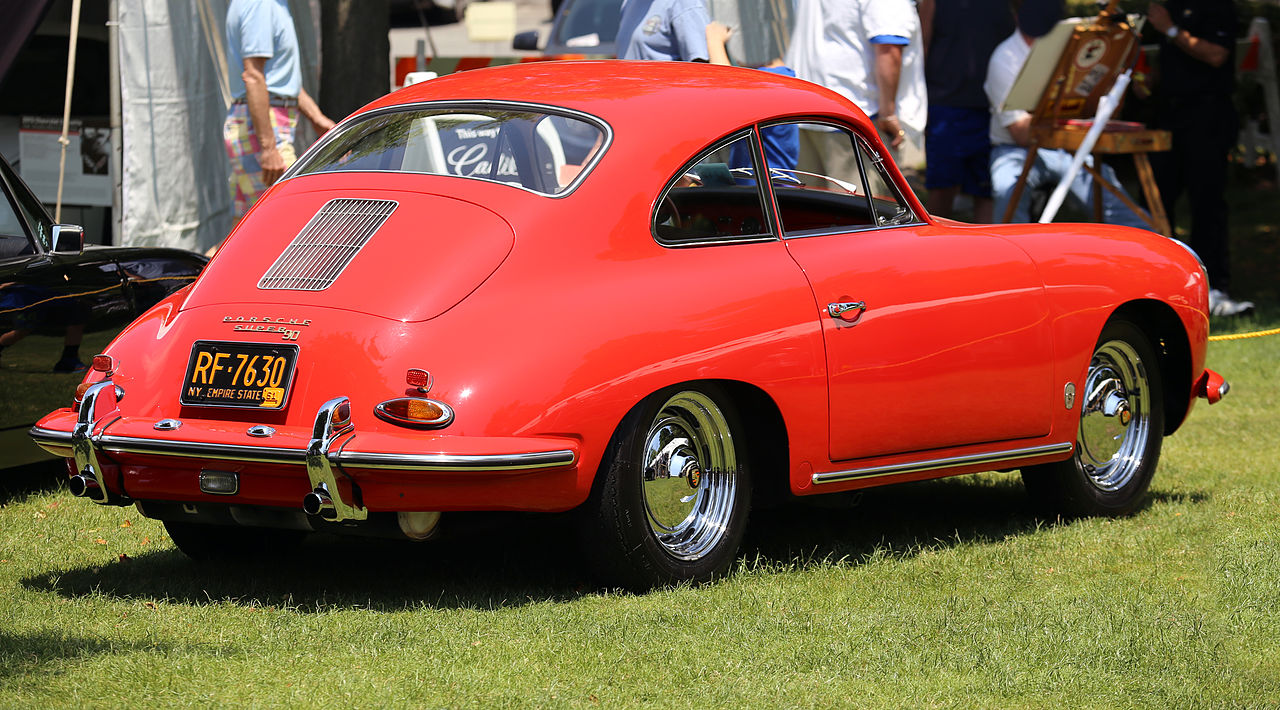
Some cars, particularly modern coupes and crossovers, have tiny rear windows. While this might make the car look sleeker, it significantly reduces visibility.
This makes parking and reversing more difficult, and it can also create dangerous blind spots. Designers should prioritize safety and functionality over aesthetics.
8. Glossy Interior Surfaces
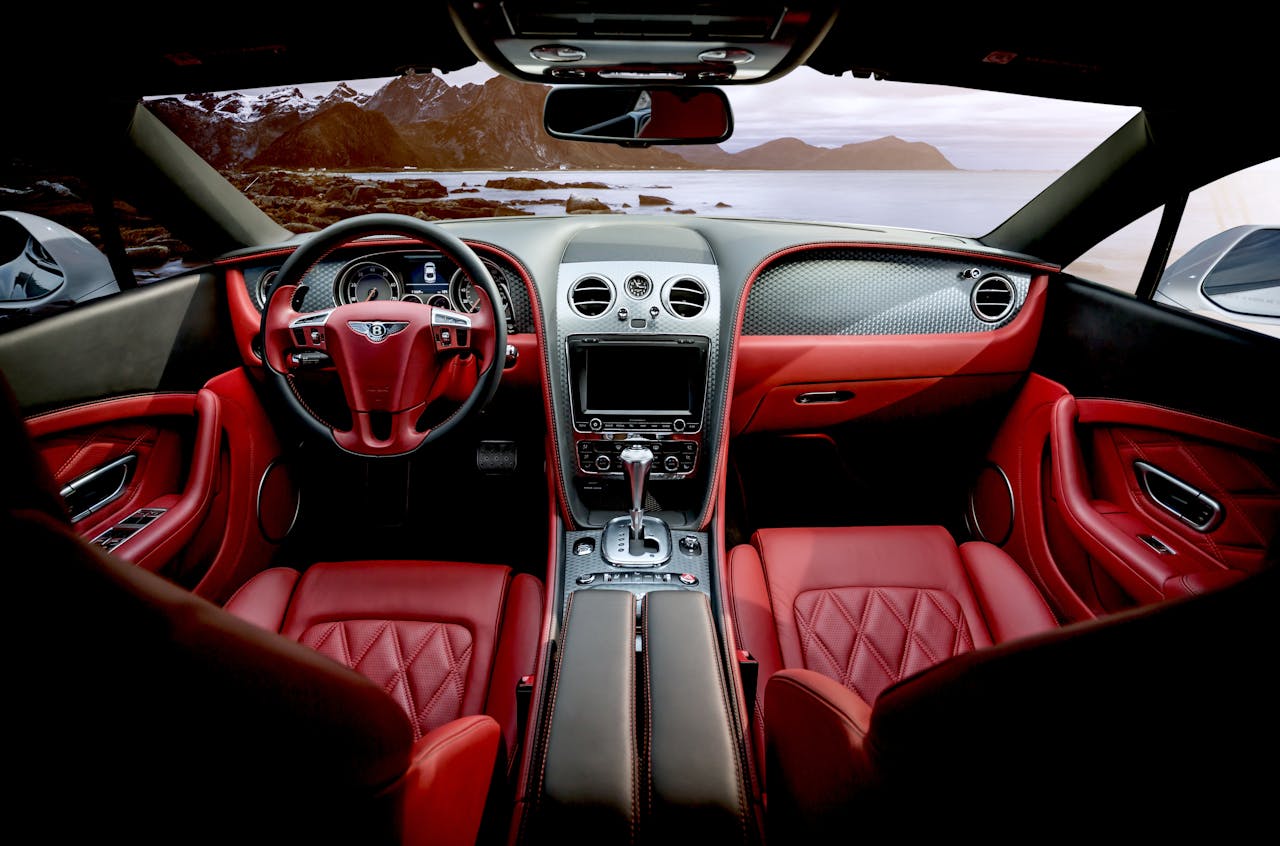
Glossy surfaces might look nice when the car is brand new, but they’re a nightmare to keep clean. They show every single fingerprint and smudge.
And that’s not to mention the glare they can produce when hit by sunlight. Matte finishes or textured surfaces are much more practical and user-friendly.
9. Cup Holders in Awkward Places

Cup holders are essential in any car. But some cars have them in the most awkward places, where they’re difficult to reach or where they interfere with other controls.
When you’re driving, you want to be able to easily reach your drink without taking your eyes off the road. Cup holders should be conveniently located and large enough to accommodate various sizes of cups or bottles.
10. Overly Bright Interior Lights
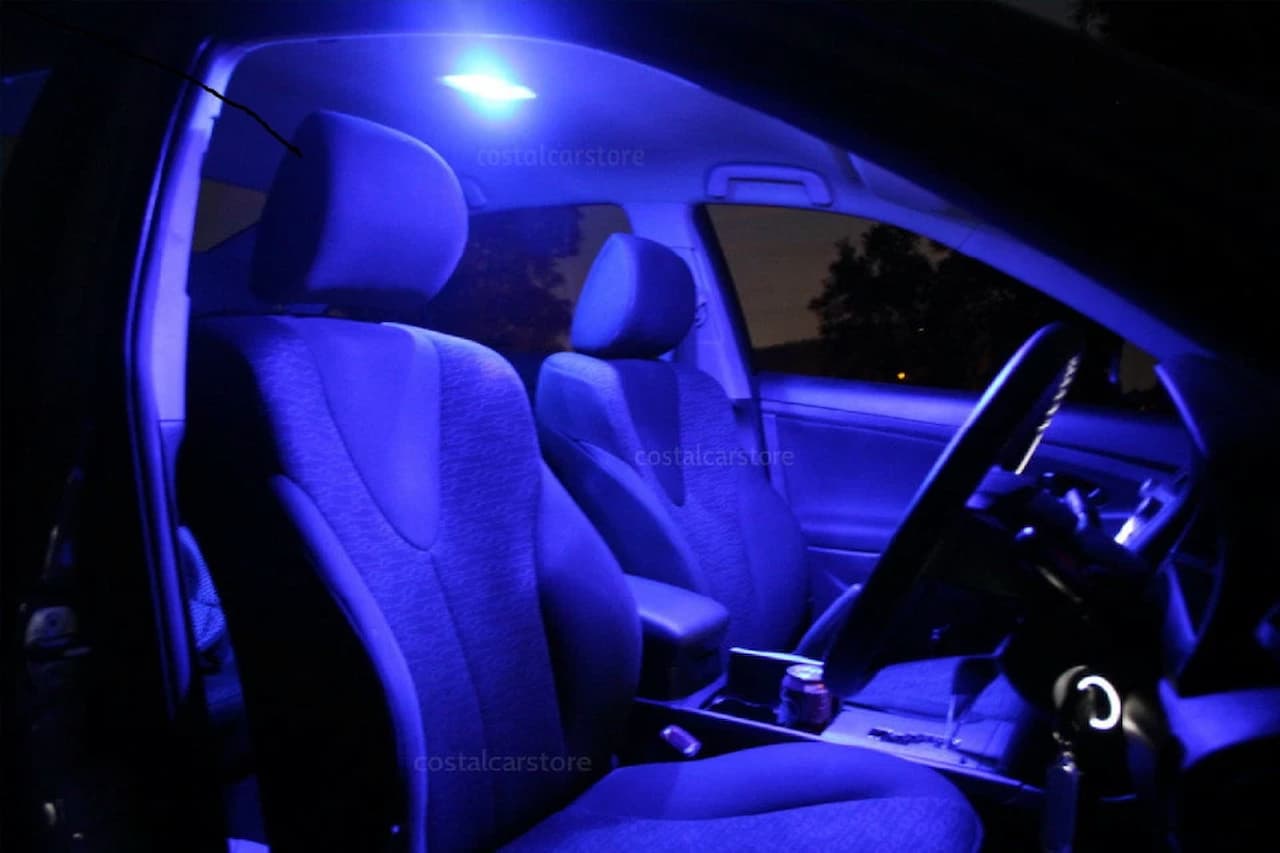
Interior lights are meant to help you see inside your car at night. But some cars have interior lights that are overly bright, which can be blinding and distracting.
These lights can make it hard to see the road when driving at night. Adjustable interior lighting would be a much better option.
11. Inefficient Space Utilization
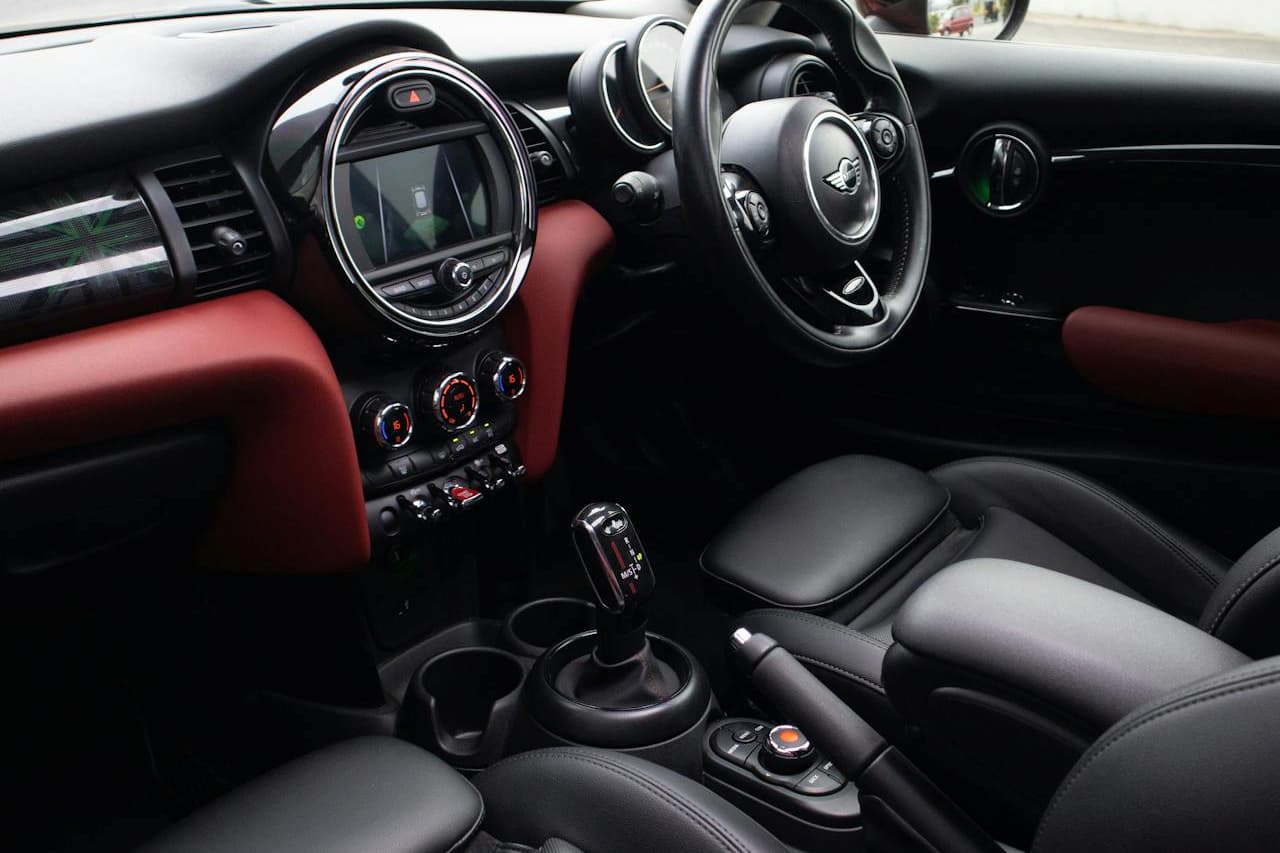
Some cars, particularly smaller ones, don’t make good use of space. They have large dashboards and center consoles, leaving little room for passengers or cargo.
Efficient space utilization can make a small car feel much larger and more comfortable. Manufacturers should consider this when designing their vehicles.
12. Low-Quality Sound Systems
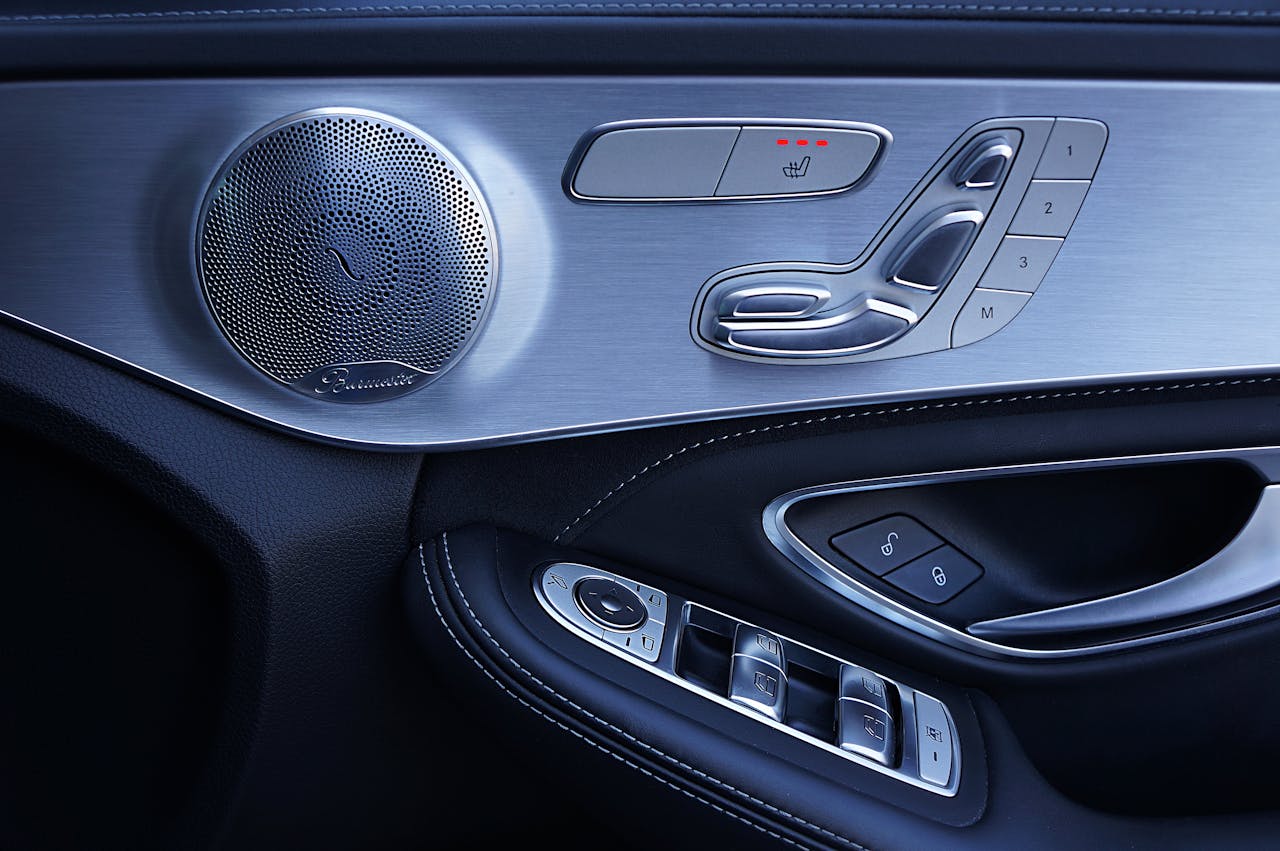
A good sound system can greatly enhance the driving experience. But some cars come with low-quality sound systems that distort music and make it sound tinny or hollow.
If you’re going to include a sound system in a car, it should be of decent quality. Otherwise, it’s just a waste of space and a disappointment for the driver.
13. Non-Adjustable Headrests
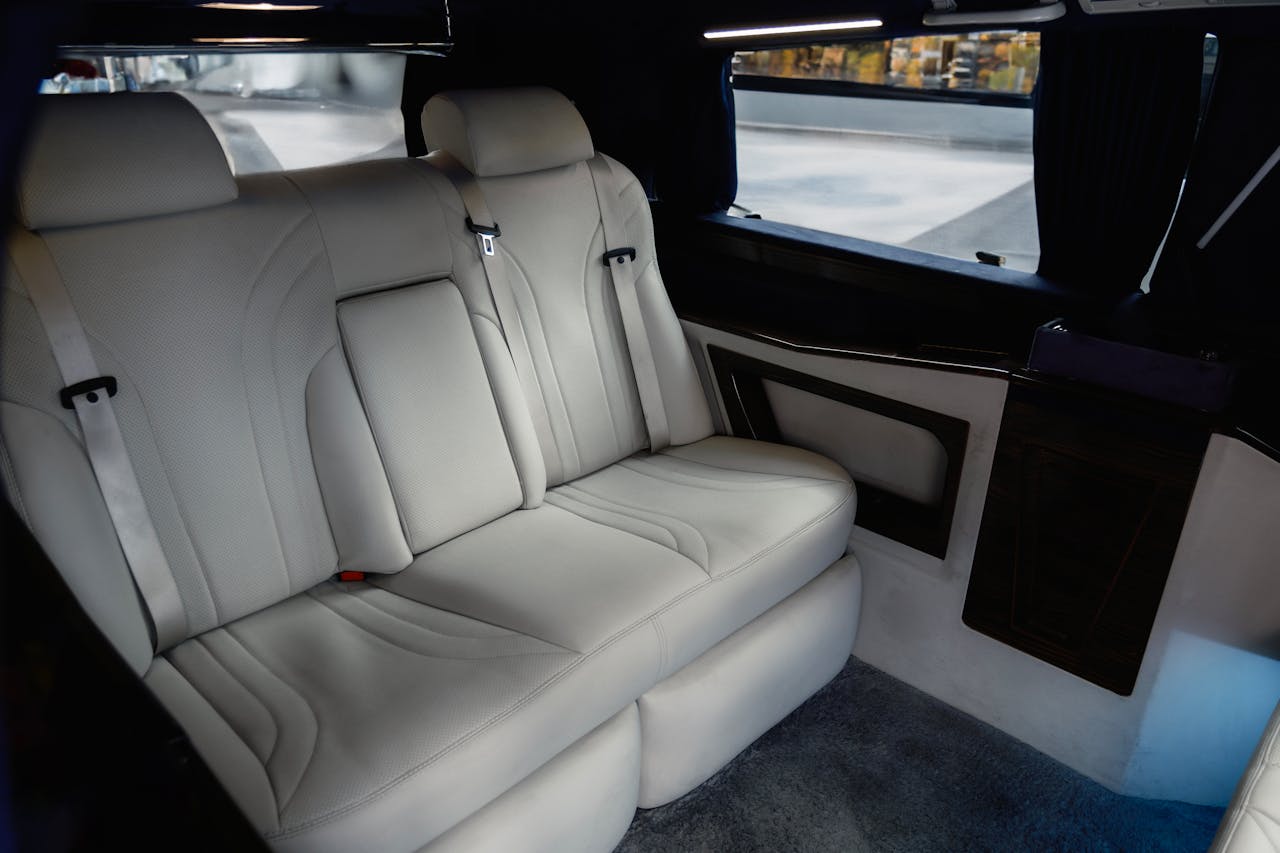
Non-adjustable headrests can be a major annoyance. Everyone is different, and having a headrest that doesn’t adjust to your height or preference can be uncomfortable.
This can lead to neck pain and other discomforts on long drives. Adjustable headrests should be a standard feature in all cars.
14. Automatic Window Controls on the Center Console
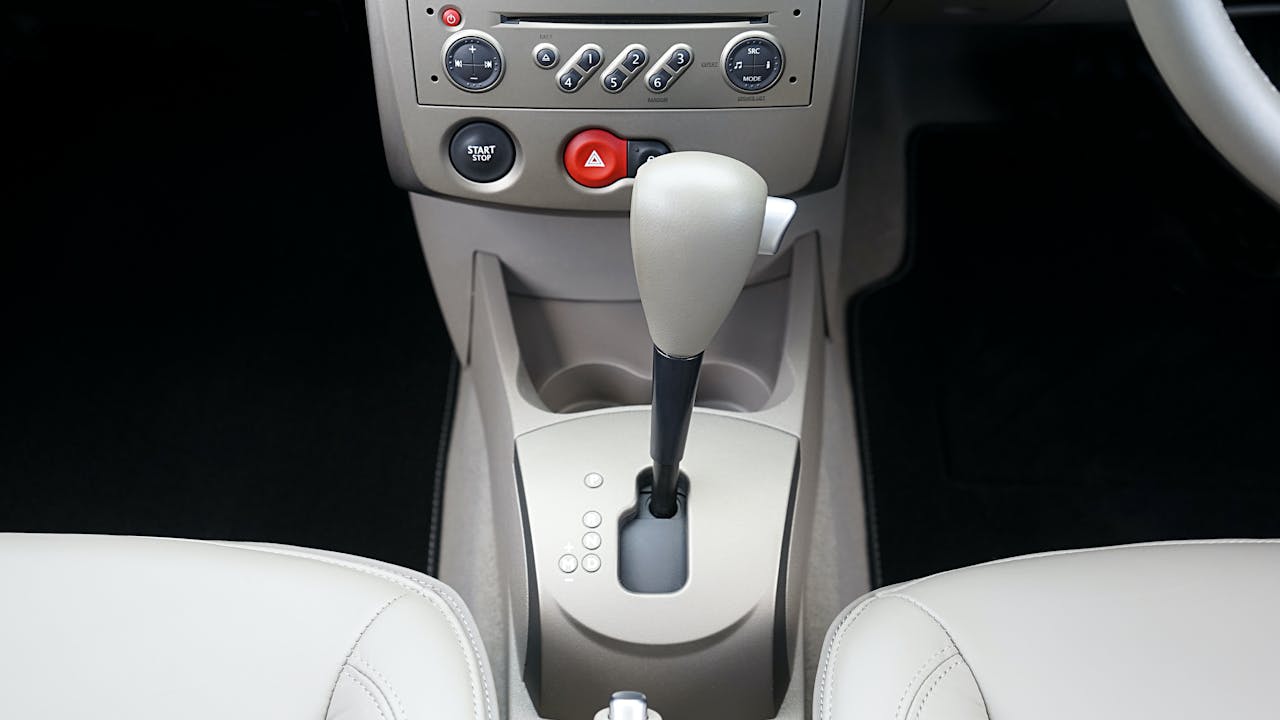
Having the automatic window controls on the center console can be inconvenient and confusing. It’s much more intuitive to have them on the door, where you naturally reach to roll down the window.
This is a prime example of how trying to be different or stylish can actually detract from the user experience.
15. Analog Clocks
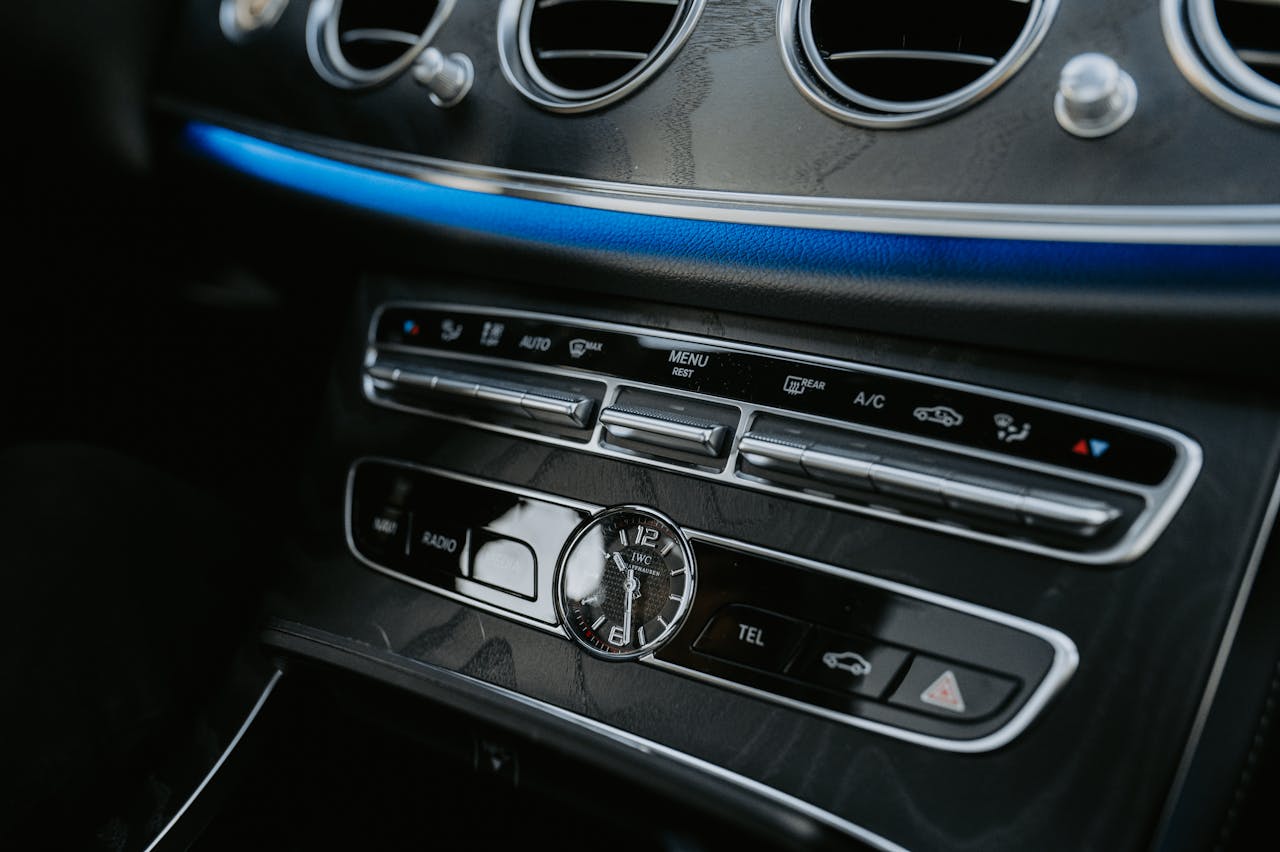
Some luxury cars include an analog clock on the dashboard, presumably for a touch of class. But in reality, these clocks are hard to read at a glance and serve little practical purpose.
A digital clock would be much easier to read and more practical. If you’re going to include a clock in a car, it should be functional, not just decorative.