
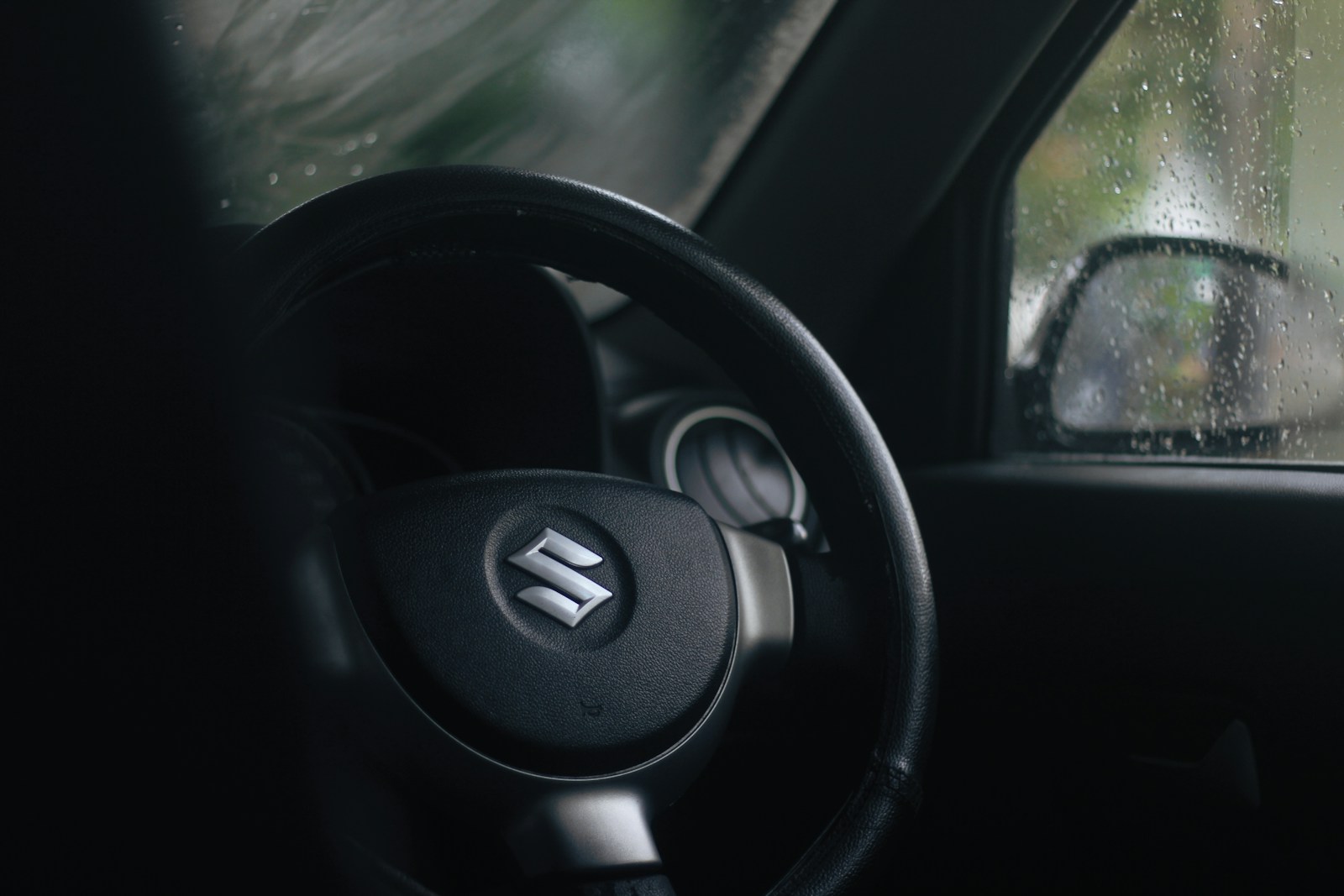

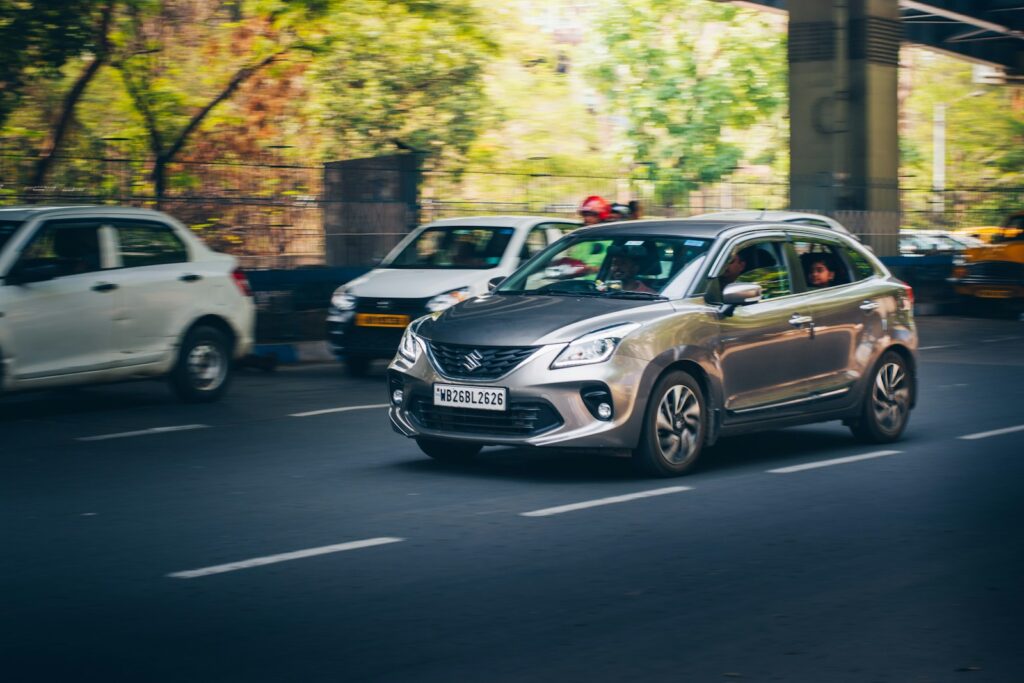
Maruti Suzuki dropped a cylinder from its best-selling Baleno hatchback when it rolled out the car’s facelift on September 5, 2026, swapping the outgoing 1.2-liter four-cylinder K12N engine for a smaller three-cylinder Z12E unit that trades peak power for better mileage, according to Autocar India.
Fewer Cylinders, Lower Numbers on Paper
The new Z12E engine makes 83 PS and 112 Nm of torque, a step down from the old four-cylinder’s 90 hp and 113 Nm, according to CarDekho. Buyers can pair it with a 5-speed manual or a 5-speed automated manual transmission, and Maruti Suzuki still offers a factory-fitted CNG version rated at 70 PS and 102 Nm, per Autocar India. That version keeps the manual gearbox only.
In exchange for the smaller output, CarDekho reports the manual petrol variant now returns a claimed 23.80 kmpl, the automated-manual version reaches 24.77 kmpl, and the CNG variant climbs to 33.61 km/kg.
Pricing and What Else Changed
The facelifted Baleno starts at roughly ₹6.10 lakh ex-showroom, per Autocar India, and now ships with a Level 2 driver-assist suite covering adaptive cruise control, lane-keep assist, automatic emergency braking, high-beam assist and a tire-pressure monitoring system, alongside six airbags, ABS with EBD and a 360-degree camera.
Why Automakers Are Chasing Every Fraction of a Liter
The engine swap lands as India tightens its Corporate Average Fuel Efficiency rules. Under the government’s proposed CAFE-III framework, which the transport ministry plans to phase in starting April 2027, automakers’ fleet-average carbon dioxide output must fall from 94.76 grams per kilometer in 2027-28 to 78.90 grams per kilometer by 2031-32, according to ThePrint. That works out to roughly a 16.7% cut over five years. The existing CAFE rules, in place since 2017 under India’s Bureau of Energy Efficiency, already tie a manufacturer’s average fuel consumption to the average curb weight of everything it sells in a given year, according to the Bureau of Energy Efficiency‘s own explainer.
Losing a cylinder cuts internal friction and shaves weight, both of which help an automaker’s fleet average edge toward those tightening targets. Maruti Suzuki made the same swap in the Swift first, where the Z-series three-cylinder debuted before migrating to the Baleno for this update, per CarDekho.
The tradeoff isn’t free. Fewer cylinders generally means a coarser idle and more noticeable vibration at low revs compared with a four-cylinder of similar displacement, a difference buyers cross-shopping premium hatchbacks in the segment are likely to notice on a test drive even if the window sticker’s mileage number looks better. Maruti Suzuki is betting that most Baleno buyers will take the efficiency gain over the smoother idle, a bet the company is now making across more of its Z-series lineup as India’s emissions math gets tighter with each new rulebook.