
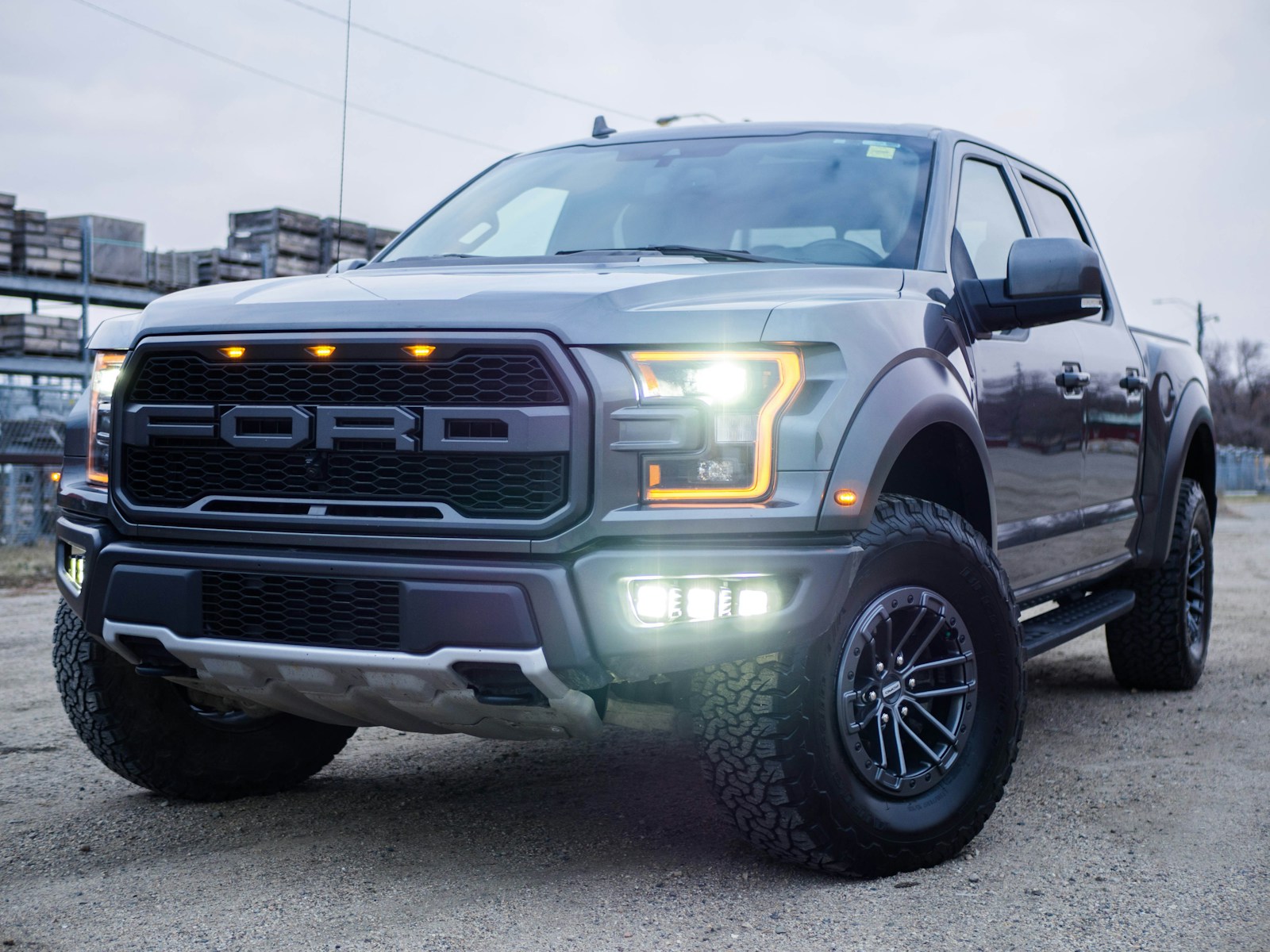

Ford has spent 2026 cutting salaried jobs and then scrambling some of that lost expertise back onto the payroll, rehiring more than 350 experienced engineers and technical specialists after leaning too heavily on artificial intelligence for vehicle quality control, according to Repairer Driven News and Fox Business.
Key Points
- Ford has trimmed its salaried workforce by roughly 5,300 positions since 2020, leaving about 30,700 white-collar employees, as part of a broader AI-driven restructuring across Detroit’s automakers, according to CBT News and The Next Web, both citing the same industry-wide tally.
- Combined with General Motors’ roughly 11,000 cuts and Stellantis’ drop from 15,000 to about 11,000 U.S. salaried workers, the Detroit Three have eliminated more than 20,000 white-collar jobs since automakers began leaning on AI for engineering and design work.
- Ford has now rehired more than 350 veteran engineers and quality specialists, brought back over the past three years to catch problems automated inspection systems missed, per Repairer Driven News.
- Ford set a company record for the most recalls issued in a single year in 2025, according to Repairer Driven News.
What Went Wrong With the AI-First Approach
Ford reorganized its vehicle engineering, manufacturing, supply chain, and quality functions under one umbrella starting in 2023, part of a push to let AI systems process design requirements and catch flaws before parts reached the factory floor. A Ford vice president overseeing vehicle hardware engineering acknowledged to reporters that the automaker had assumed feeding design requirements into AI tools would be enough on its own to guarantee quality, without fully accounting for how much those systems still depended on experienced engineers to validate their outputs, according to Repairer Driven News and Fox Business.
The rehired specialists are now tasked with troubleshooting systemic defects, mentoring junior engineers, and retraining the machine-learning models that flagged too few problems on their own, per reporting on the reversal. Ford has not disclosed how many of the newly rehired positions came from outside hires versus employees who had been let go in earlier rounds.
The Payoff So Far
The rehiring push appears to be showing up in independent quality data: Ford topped J.D. Power’s 2026 U.S. Initial Quality Study among mainstream brands for the first time since 2010, after ranking far lower in recent years, according to both Repairer Driven News and Fox Business. Company leadership has credited the quality gains with reducing warranty and recall spending, though Ford has not disclosed a specific dollar figure publicly. The reversal illustrates a tension automakers are navigating industry-wide in 2026: using AI to cut engineering headcount while still needing enough human expertise on hand to keep new vehicles out of the recall pipeline.