
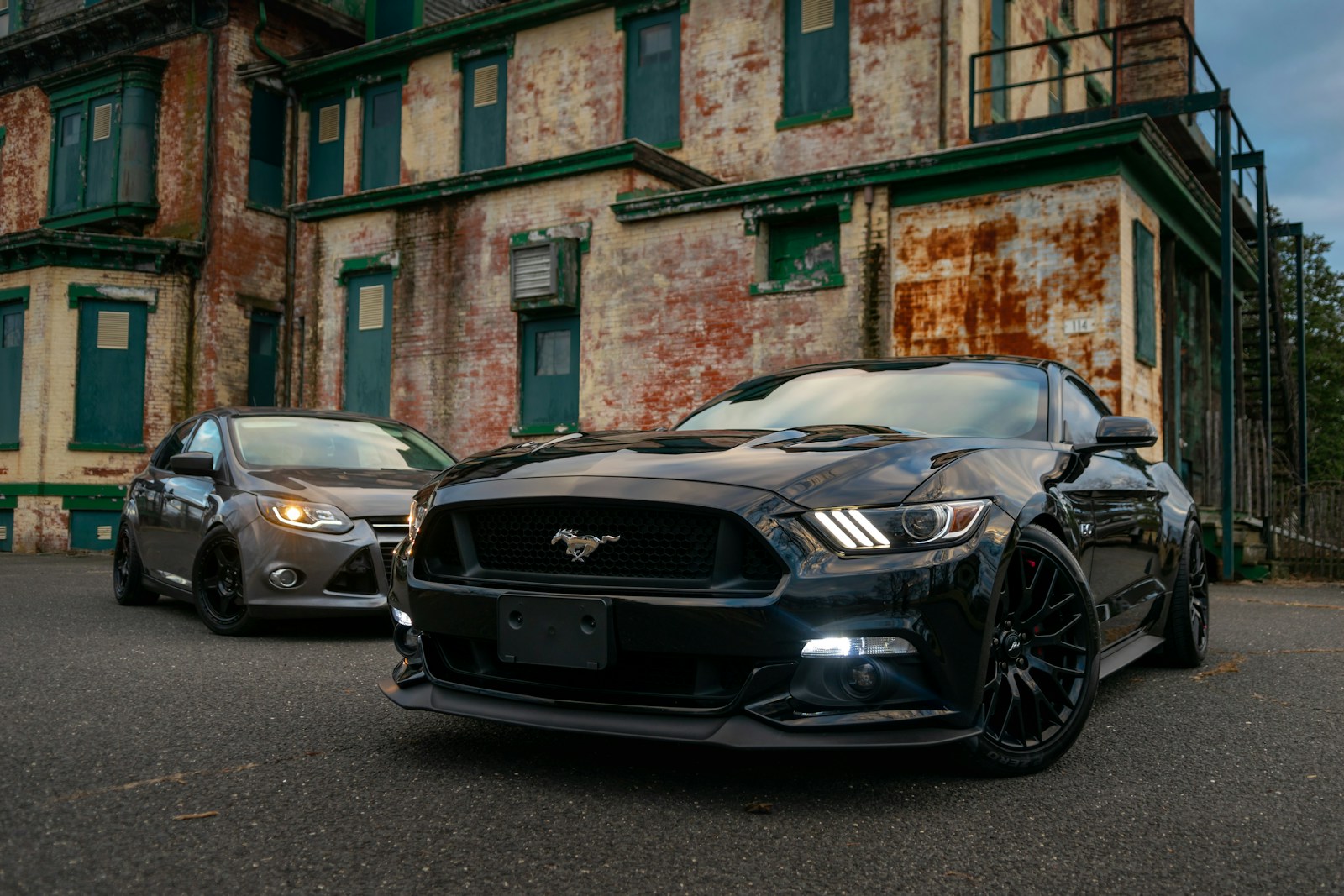

A base Ford Mustang GT carried a $32,925 sticker price for the 2015 model year, according to pricing Ford released at the time. Ten years later, the 2025 Mustang GT starts at $47,155 including destination, according to Ford’s current pricing. That’s a jump of $14,230, or roughly 43 percent, for the same basic formula: a naturally aspirated V8 in the cheapest trim that still wears it. The Camaro and Challenger climbed too before both nameplates were discontinued, and lining up a full decade of base-model pricing shows the increase wasn’t a one-year spike tied to a single bad year for the industry.
The Mustang GT’s Climb Outpaced Almost Everything Else in Its Own Lineup
Ford’s V6 Mustang rose a comparatively modest $1,090 between the 2014 and 2015 model years alone, while the GT trim climbed $890 in that same single year on its way to a $32,925 starting price, per Ford’s 2015 pricing announcement. A decade later the GT’s $47,155 base price represents a $2,700 jump over the 2024 model year alone, Ford’s 2025 pricing shows, while the four-cylinder EcoBoost model held flat. The V8 trim has consistently absorbed a larger share of Mustang price increases than the entry-level engine.
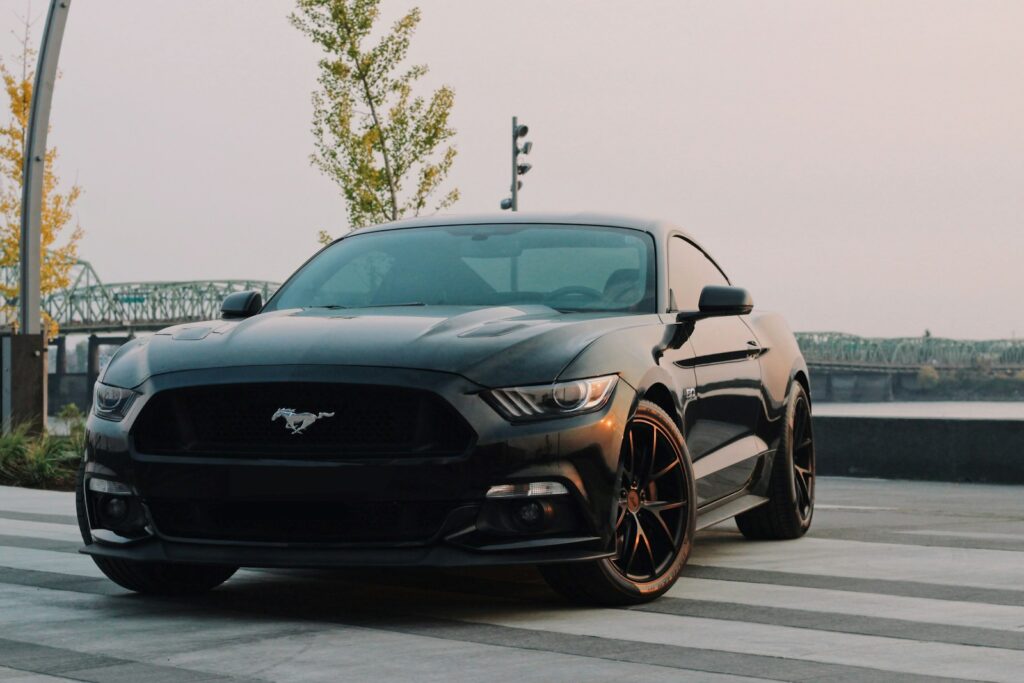
The Camaro SS Rose Too, Then the Nameplate Disappeared Entirely
Chevrolet’s Camaro SS coupe started at $35,795 for the 2015 model year, according to Kelley Blue Book’s original pricing data. By its final model year in 2024, the 1SS coupe’s base price had climbed to $43,895 including destination, according to GM’s own pricing breakdown. That’s an $8,100 increase, about 23 percent, over the same decade the Mustang GT climbed 43 percent. Chevrolet ended Camaro production after the 2024 model year, meaning the nameplate’s final price point is now also its permanent one.
The Challenger R/T Climbed the Least, and Still Didn’t Survive
Dodge’s 2015 Challenger R/T launched at a $31,495 starting price before a $995 destination charge, positioned at the time as the most affordable V8 muscle car sold in the U.S., according to the manufacturer’s own 2015 pricing release. By its final model year in 2023, the R/T’s base price had reached $39,480, Kelley Blue Book reported, an increase of roughly 22 percent over eight years before Dodge discontinued the gas-powered Challenger entirely. The R/T’s final-year price actually dropped $300 from 2022 even as Dodge raised the price of the range-topping SRT Super Stock by $395 that same year, the same KBB reporting shows, a sign that Dodge was pushing buyers toward its most expensive trims on the way out the door rather than raising prices evenly across the lineup.
The Broader New-Car Market Climbed Even Faster Over the Same Stretch
None of these three nameplates rose in isolation from the rest of the industry. The average transaction price for all new light vehicles in the U.S. was $33,730 in September 2015, according to Kelley Blue Book’s own reporting at the time. By September 2025 that industry-wide average had reached $50,080 for the first time, a nearly 49 percent increase, according to Cox Automotive’s most recent transaction price report. Measured against that backdrop, the Mustang GT’s 43 percent climb actually tracked close to the broader market, while the Camaro and Challenger grew more slowly than the average new vehicle around them.
Only One of the Three Nameplates Is Still Around to Keep Climbing
What makes the decade of data feel steeper than the raw percentages suggest is that two of the three cars in this comparison no longer exist as gas-powered models. The Challenger’s final V8 R/T price and the Camaro’s final V8 SS price are now fixed history rather than points on an ongoing curve, while the Mustang GT remains the only one of the three still absorbing new price increases every model year. A shopper comparing all three nameplates in 2015 had genuine cross-shopping options at similar price points; a shopper doing the same exercise today has one new car and two used ones whose prices are set by whatever the used market decides they’re worth.
What a Decade of Sticker Prices Actually Shows
Every base V8 muscle car in this segment costs meaningfully more today than it did in 2015, in dollar figures that run from roughly $7,000 to over $14,000 depending on the nameplate. That climb mirrors, and in the Mustang’s case nearly matches, what happened to new-vehicle pricing across the entire industry over the same ten years. The bigger shift isn’t just what these cars cost now. It’s that the field shrank from three competing V8 muscle cars to one while the prices were still climbing.