
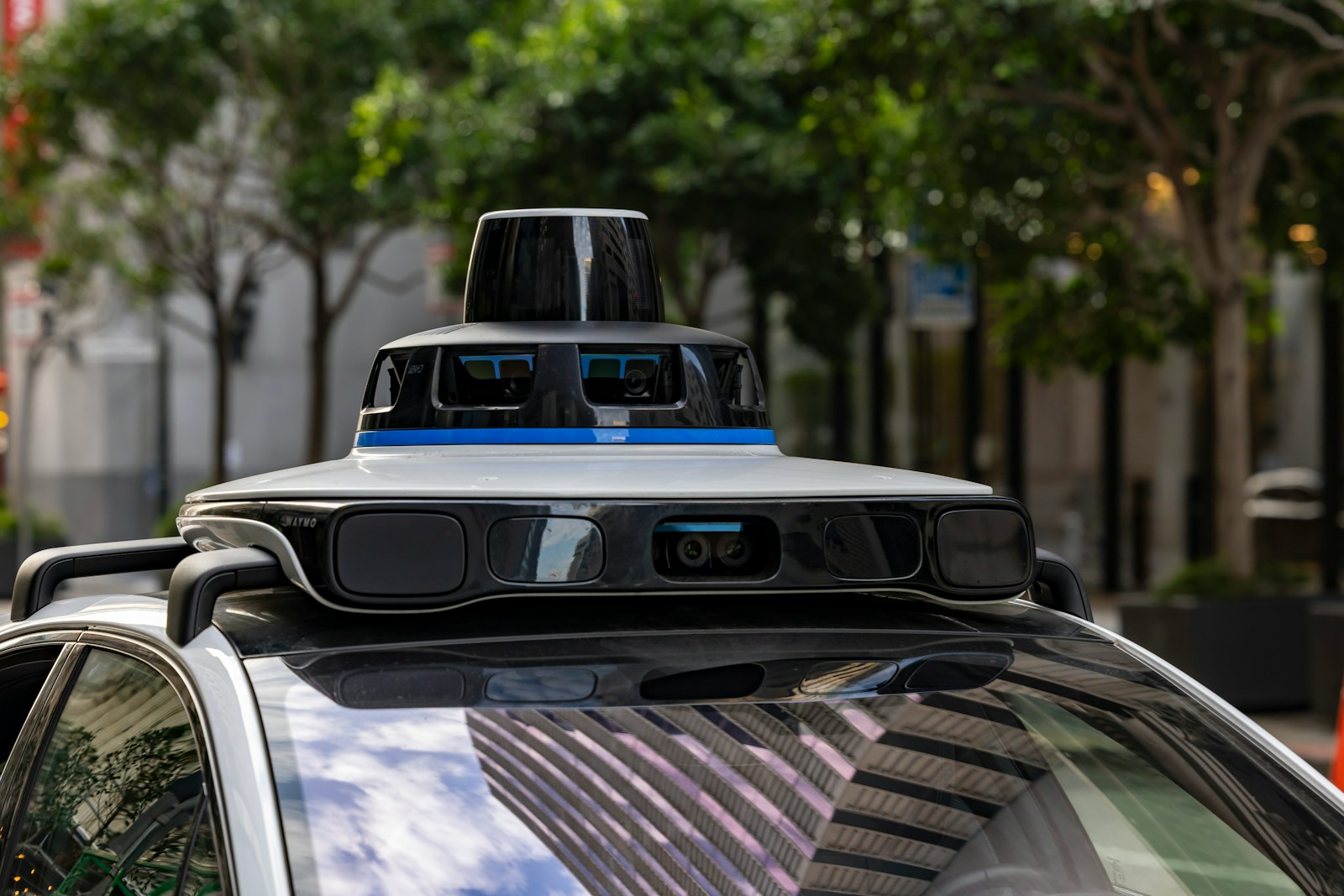

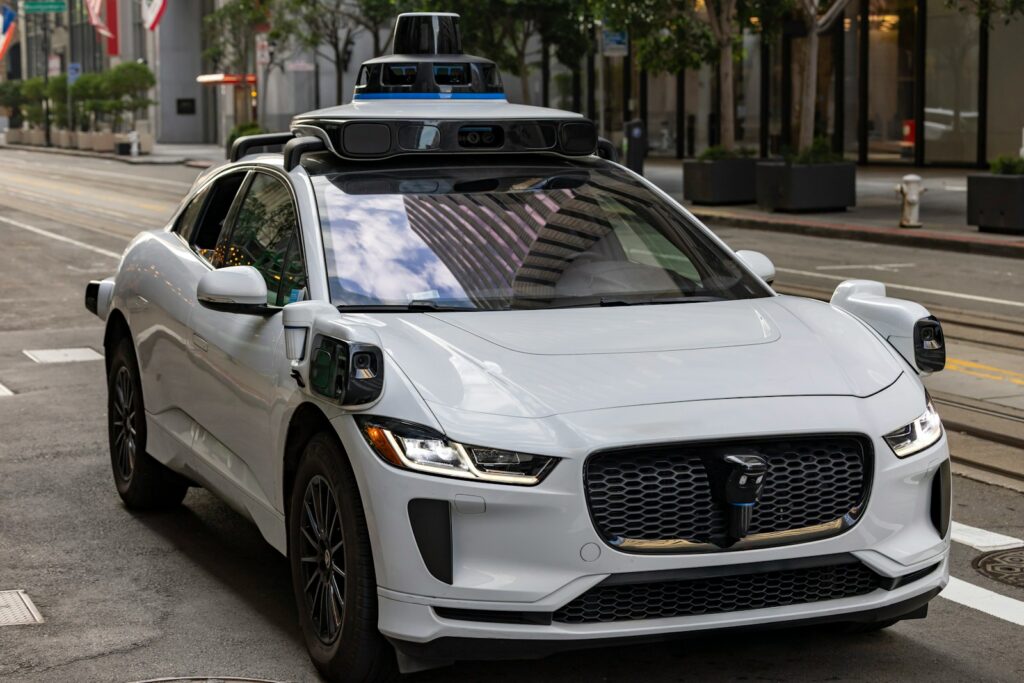
Federal regulators opened a formal audit into Tesla’s Cybercab just hours after the driverless robotaxi began carrying paying riders on public streets, questioning how a vehicle with no steering wheel, brake pedal, or gas pedal for a human to grab ever got certified as road legal in the first place. The National Highway Traffic Safety Administration opened the audit, case number AQ26002, on September 4, 2026, according to ABC News, one day after Tesla’s public Cybercab launch event in Austin, Texas.
What Regulators Are Actually Questioning
NHTSA is not accusing Tesla of a crash or a defect here. The audit instead digs into the paperwork Tesla used to certify itself. Automakers are allowed to self-certify that their vehicles meet Federal Motor Vehicle Safety Standards, and NHTSA now wants to review “the process and technical data on which Tesla relied when certifying the Cybercab,” including whether the company was right to decide that standards requiring conventional manual controls simply didn’t apply to a car that was never built with them, per TechCrunch’s reporting on the filing.
NHTSA Administrator Jonathan Morrison put it directly in a statement carried by TechCrunch: “NHTSA fully supports the safe development and deployment of automated vehicles. But as the federal regulator, we need to ensure that all of our laws are followed.” Roughly a thousand Cybercabs are already running in Austin as robotaxis booked through Tesla’s app, per ABC News, and the vehicles lack what NHTSA describes as “permanently attached, conventional manual controls, such as a brake pedal, gas pedal, steering wheel, and mirrors.”
Not the First Rodeo For This Kind Of Review
NHTSA has been here before. The agency ran a similar review of Amazon-owned Zoox’s steering-wheel-free robotaxi starting in 2022, a process that eventually ended with the agency granting Zoox the first-ever temporary FMVSS exemption for an American autonomous vehicle in 2025, according to ABC News. That precedent suggests Tesla’s audit could resolve with anything from a clean bill of self-certification to a forced pause on new deployments while the paperwork gets sorted out. Tesla did not respond to ABC News for comment, though the company has said it plans to expand Cybercab service to additional cities and vehicle models going forward.
Key Points
- NHTSA opened audit AQ26002 on September 4, 2026, one day after Tesla’s Cybercab began public robotaxi service in Austin.
- The Cybercab has no steering wheel, brake pedal, or gas pedal for a human occupant to use.
- Regulators are reviewing whether Tesla correctly self-certified the vehicle as compliant with federal safety standards.
- A comparable 2022 review of Zoox’s robotaxi ended with the agency’s first-ever exemption for a driverless U.S. vehicle in 2025.