
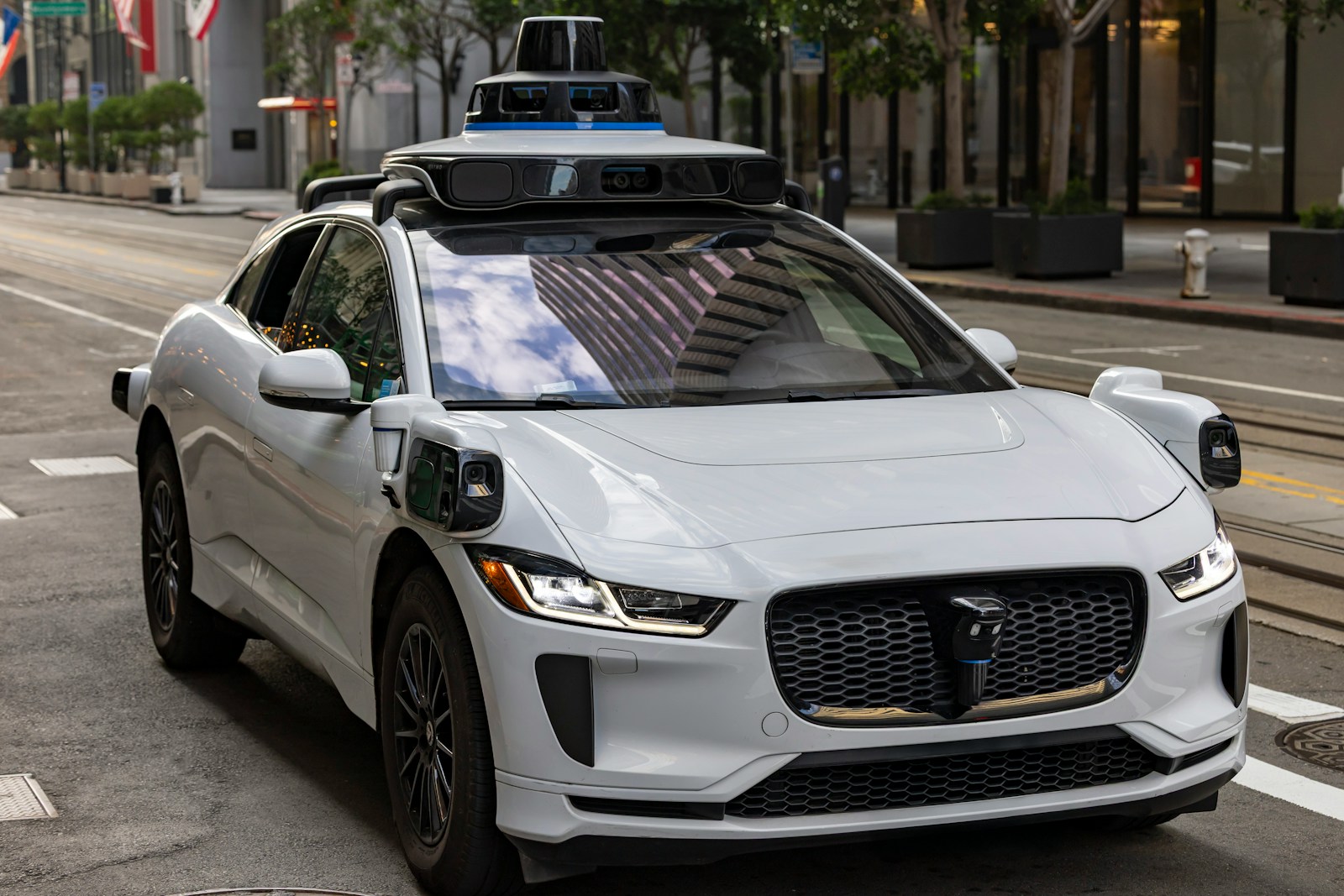

Waymo now runs paid driverless rides in 14 U.S. cities after opening service to the public in Denver, San Diego and Tampa on September 1, 2026, according to Waymo’s own announcement, and Tesla answered by putting steering-wheel-free Cybercabs on Austin streets just three days later, on September 4. Federal safety regulators opened an investigation into that Cybercab rollout within hours.
Key Points
- Waymo expanded to Denver, San Diego and Tampa on September 1, 2026, bringing its total footprint to 14 cities with a fleet that has grown past 4,000 vehicles, including Jaguar I-Pace SUVs and roughly 300 Zeekr-built Ojai minivans, according to TechCrunch’s reporting on the expansion.
- Tesla currently runs driverless Model Y robotaxi service, with safety monitors still required in some markets, across six metro areas: Austin, Dallas, Houston, Miami, Orlando and Tampa, per the same TechCrunch reporting.
- Tampa is now a shared battleground, one of the clearest signs yet that the two companies are landing in the same markets rather than simply racing toward a bigger national map.
- Tesla escalated on September 4 by launching production Cybercabs, a two-seat vehicle with no steering wheel or pedals, directly onto public Austin streets.
- The National Highway Traffic Safety Administration opened a probe into that deployment “mere hours” later, according to TechCrunch.
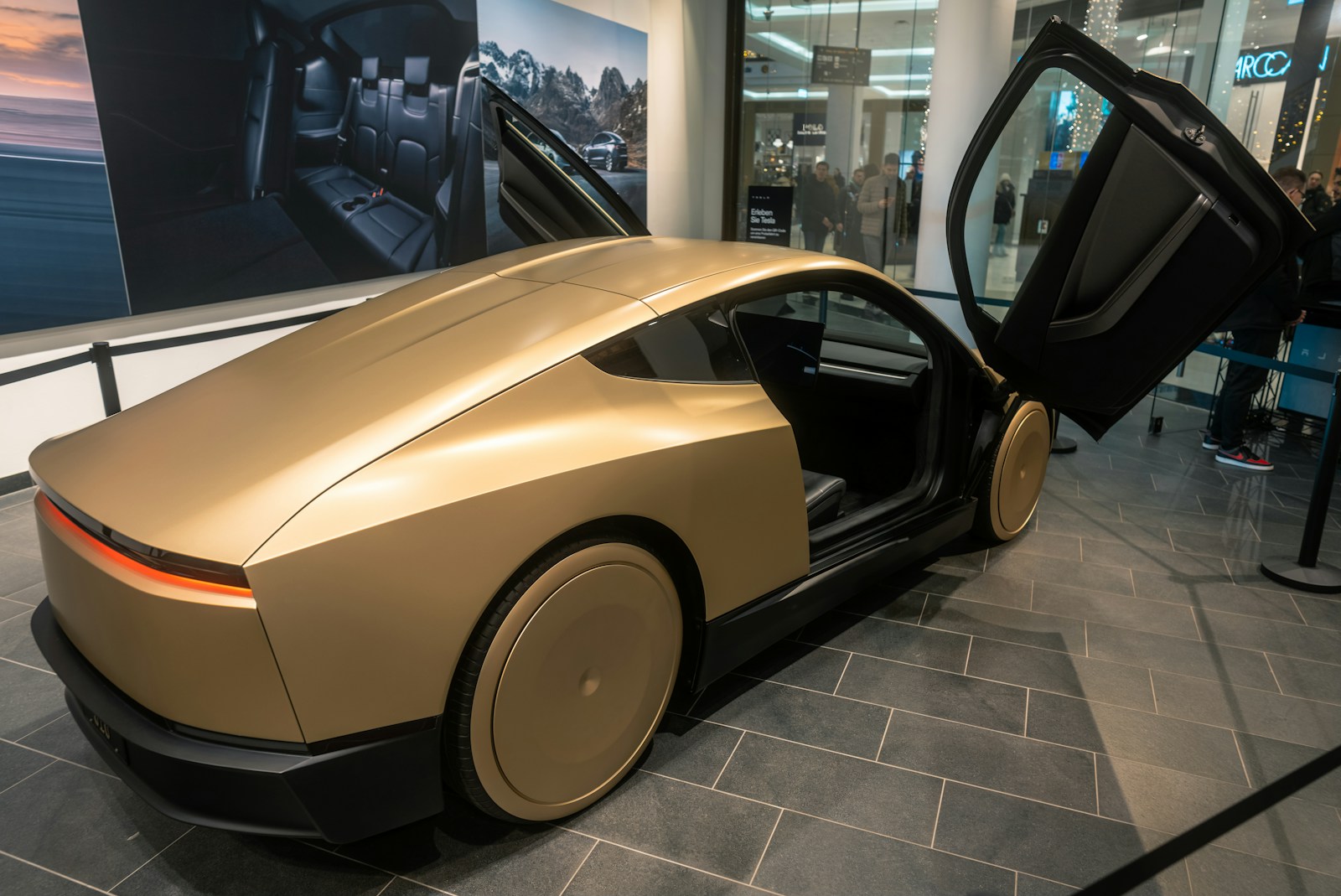
The Cybercab move put Tesla ahead of the rulebook. Federal Motor Vehicle Safety Standards still require manual driving controls in production vehicles, and Tesla self-certified that the Cybercab’s design complied anyway, a process NHTSA now says it intends to scrutinize directly. The agency’s own statement on the probe was blunt: “NHTSA fully supports the safe development and deployment of automated vehicles. But as the federal regulator, we need to ensure that all of our laws are followed,” the agency said, according to TechCrunch.
What’s Driving the Rush
None of this is happening in a regulatory vacuum, it’s happening because the rulebook is mid-rewrite. The Department of Transportation proposed in June 2026 to remove the manual-control requirement for autonomous vehicles altogether, but that change has not been finalized. Amazon’s Zoox spent roughly three years, dating back to a 2022-2023 audit, working through a similar review before finally securing a steering-wheel-free exemption in July 2026 and launching commercial service in Las Vegas weeks later, per TechCrunch’s account of the process.
That timeline is exactly what makes Tesla’s September 4 launch notable. Rather than wait on an exemption the way Zoox did, Tesla deployed first and let NHTSA’s review start after the fact, with real paying customers already inside cars that have no way for a human occupant to take the wheel.
Waymo, for its part, is playing a volume game instead of a regulatory one. Its 14-city map and 4,000-vehicle fleet, expanded through partnerships that now include Zeekr-manufactured vehicles, reflect years of the incremental rollout process the company has used since it first got permission to charge for rides in San Francisco. Both approaches are now converging on the same cities and the same customers, with regulators reacting to the pace rather than setting it.
What Comes Next
NHTSA’s review of Tesla’s certification data will determine whether Cybercab keeps running on public roads without a change to federal standards, or whether the agency forces a pause similar to what Zoox experienced for years before its exemption came through. Until that’s resolved, two competing robotaxi fleets are now operating, and expanding, into the same American streets under two very different regulatory postures.