
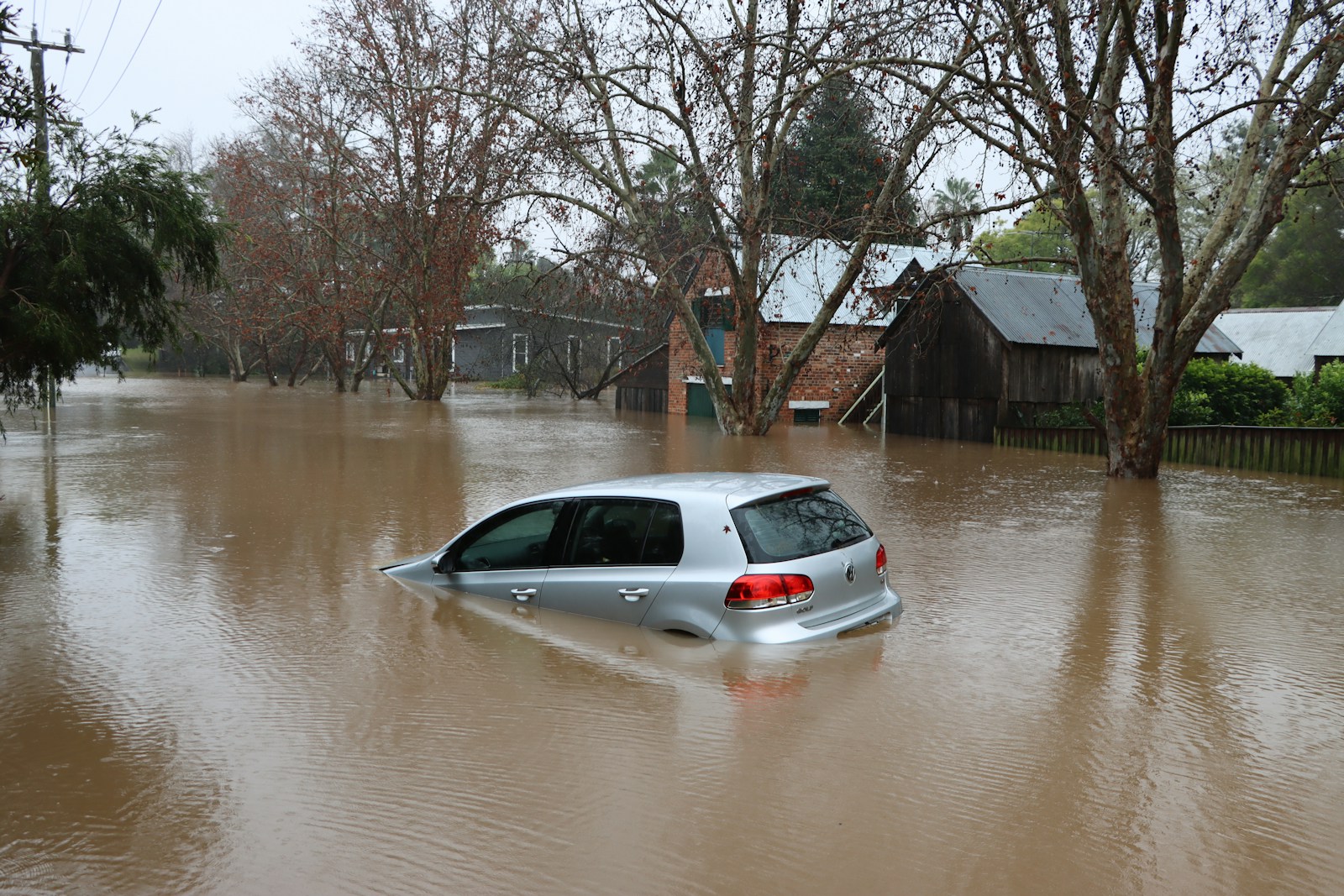

A car that gets branded “salvage” or “flood” in one state can cross into another and come out the other side with a title that looks perfectly clean, no water line, no branding, no history at all. It’s called title washing, and for years it worked because state motor vehicle systems simply didn’t talk to each other. In just the first six months of 2008 alone, more than 185,000 vehicles that had been branded in one state were transferred and re-titled in a second state, according to research cited by the federal government’s own National Motor Vehicle Title Information System, emerging with clean paperwork despite documented prior damage. That’s the scheme the federal government built an entire national database specifically to close.
How the Scheme Actually Works
Every state maintains its own title records, and historically those records existed in isolation. A car totaled by an insurer in Louisiana after flood damage would get a “flood” or “salvage” brand on its Louisiana title. But if that same car was then sold, moved across a state line, and re-registered in a state with weaker cross-referencing, the new state’s DMV had no automatic way of seeing the old brand. Without that visibility, clerks would often issue a fresh title with no negative history at all, effectively laundering the car’s paper trail one state line at a time. Buyers three or four transactions removed from the flood or the wreck had no realistic way of knowing, since the only records that told the true story lived in a different state’s database entirely.
The Federal Fix and How It Closes the Loophole
NMVTIS was created under the Anti Car Theft Act of 1992 and later reauthorized in 1996, when responsibility for the system moved from the Department of Transportation to the Department of Justice. Rather than leaving each state’s records siloed, NMVTIS consolidates title information from state motor vehicle agencies, insurance carriers, junk and salvage yards, and auto recyclers into a single searchable national system, one that currently holds approximately 20 million salvage or total-loss records. Because the database pulls directly from the original titling state regardless of how many times a car has since crossed a border, a “flood” or “salvage” brand entered in one state stays visible to any other state checking that VIN, permanently, even after multiple retitlings. According to program materials, 87% of the U.S. vehicle population is currently represented in the system, with more than half the states actively reporting data into it.
Measurable Results Where It’s Been Used
The results aren’t just theoretical. States and investigators that have actively leaned on NMVTIS data report concrete outcomes: Virginia documented a 17% decrease in motor vehicle thefts after integrating the system into its titling process, and Arizona has achieved a 99% recovery rate on vehicles identified as stolen through NMVTIS checks. In Florida, an enforcement action tied to the database recovered more than 250 cloned vehicles valued at a combined $8 million, cars that had been given false identities to mask stolen or salvage origins. Those numbers underscore what title washing actually costs when it isn’t caught: not just a diminished resale value for an unlucky buyer, but organized fraud operating at a scale that moves millions of dollars through cars with manufactured paper trails.
What This Means at the Point of Sale
The existence of a national database doesn’t mean title washing is extinct, it means the gap it exploited is far narrower than it used to be, provided a buyer actually checks the right source. A commercial vehicle history report pulls from a mix of proprietary and public sources and can still miss a brand that hasn’t fully propagated into its data set yet. Running the same VIN directly through NMVTIS, either via the federal portal or one of its approved data providers, checks the source database itself rather than a downstream aggregator, which matters most for exactly the used vehicles a washed title is designed to hide, one that’s crossed one too many state lines to look suspicious on the surface. For a car with an out-of-state title, especially one from a region prone to flooding, that direct check takes minutes and costs far less than discovering a flood-damaged engine bay six months after the sale.