
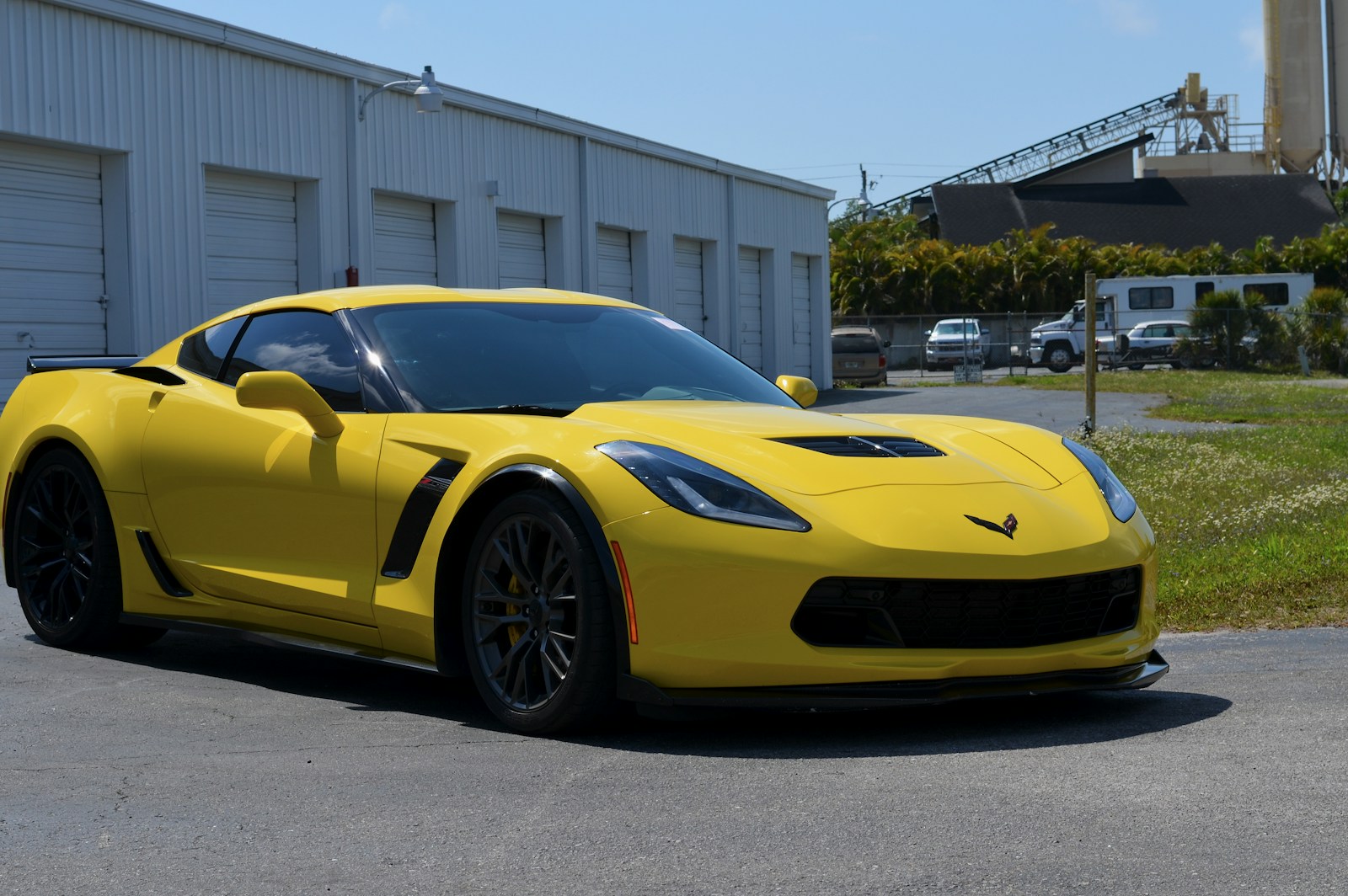

Between 1949 and 1961, General Motors’ traveling Motorama show drew roughly 10.5 million visitors to see concept cars built to look like the future of the American road. A handful of them, like the Chevrolet Corvette and Chevrolet Nomad station wagon, became real production cars almost exactly as shown. Most of what rolled across those turntables never did. GM built three separate generations of its gas-turbine Firebird concept, the Firebird I in 1953, Firebird II in 1956, and Firebird III in 1959, and none of them ever reached a customer’s driveway. GM said so itself: the company “never intended the cars for production, but rather to showcase the extremes in technology and design that the company was able to achieve.”
The Concept Was Never Meant to Sell
That admission, buried in GM’s own account of the Firebird program, is the part most casual car fans miss when they see a wild concept and start asking when it’ll be sold. The Firebird III alone packed cruise control, anti-lock brakes, and joystick steering, features that were genuinely radical for 1959 and did eventually reach production cars, just not on that car, and not for another two or three decades in most cases. The concept’s job was never to become a product. It was to prove the manufacturer could build something no one else could, gauge public reaction, and quietly retire the hardware once the show circuit ended.
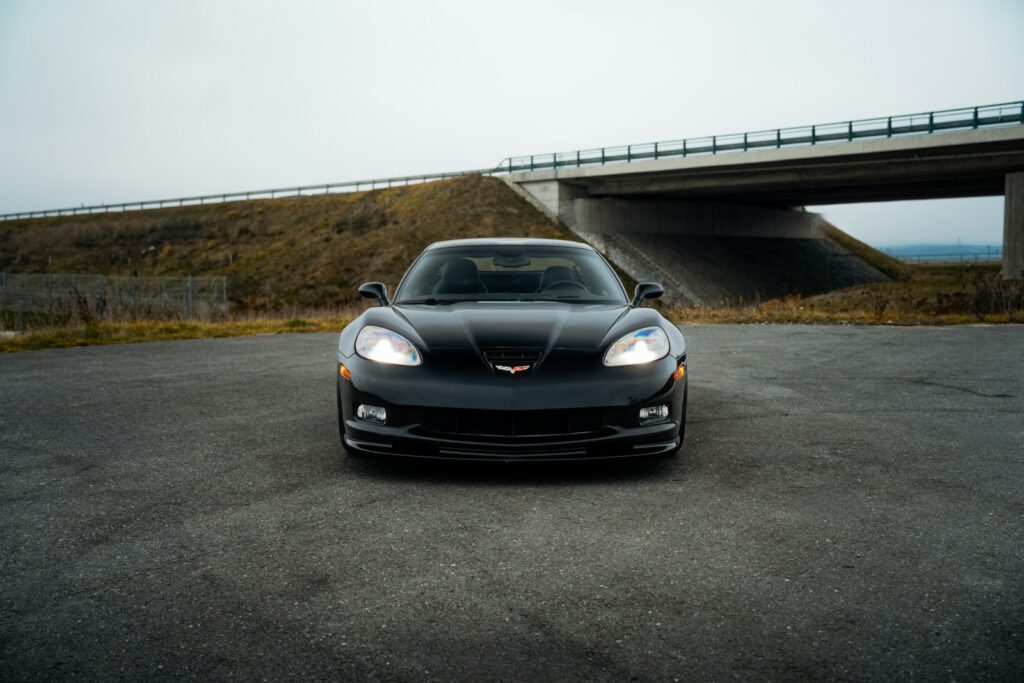
The Exceptions Are Rare Enough to Have Names Everyone Remembers
When a concept does survive to production largely intact, it tends to become one of the more famous stories in automotive history precisely because of how unusual that path is. The Opel Experimental GT, shown in 1965, became what’s regarded as the first European concept car to reach series production, forming the direct basis for the production Opel GT. The Jaguar XJ220 debuted at the 1988 British International Motor Show as a design study Jaguar had no plan to sell, until, per the public reaction at the show, the “overwhelming positive response” pushed Jaguar into a limited production run instead. Porsche’s 918 Spyder followed a similar arc, revealed as a concept in 2010 before entering actual production in 2013. Each of these is remembered as a landmark specifically because the more common outcome for a show car is closer to the Firebird’s fate than the Corvette’s.
What Actually Determines Which Concepts Survive
The concepts that make the jump tend to share the same practical trait: they were never as radical under the skin as they looked from the outside. A concept built on an engineering platform the automaker already intends to put into production, wrapped in a design study meant to gauge reaction to the styling, has a real shot at reaching a showroom largely unchanged. A concept built to showcase a genuinely experimental drivetrain, like a gas turbine engine that never became commercially practical for passenger cars, effectively never had a production path to begin with, regardless of how the public reacted to it on the show floor.
That distinction gets lost in show coverage, where a jaw-dropping concept and a thinly disguised preview of next year’s model get photographed on the same stage under the same lighting, treated by onlookers as equally plausible previews of what’s coming. They are not the same category of vehicle, and only one of them was ever a real candidate to reach production in the first place.
The Odds Have Not Meaningfully Changed
Decades after the Motorama turntables went dark, the underlying math hasn’t shifted much. Auto shows still function as a low-risk way for manufacturers to test radical styling and technology against public reaction without committing a dollar of tooling budget to it, which means the vast majority of what gets unveiled is built explicitly to never need a production line at all. The rare car that does cross that gap, an Opel GT, an XJ220, a 918 Spyder, earns its reputation precisely because everything else shown on the same stage that year was designed from the outset to end up back in a manufacturer’s heritage collection instead of a customer’s garage.
The Firebird program alone spanned six years and three complete redesigns before GM let the concept quietly disappear from the show circuit, the same six years in which the Corvette concept shown at that very first 1953 Motorama went from turntable to dealership floor before the year was even out. Both were built by the same company, unveiled to the same 10.5 million Motorama visitors, and only one of them was ever going to end up parked in someone’s driveway.