
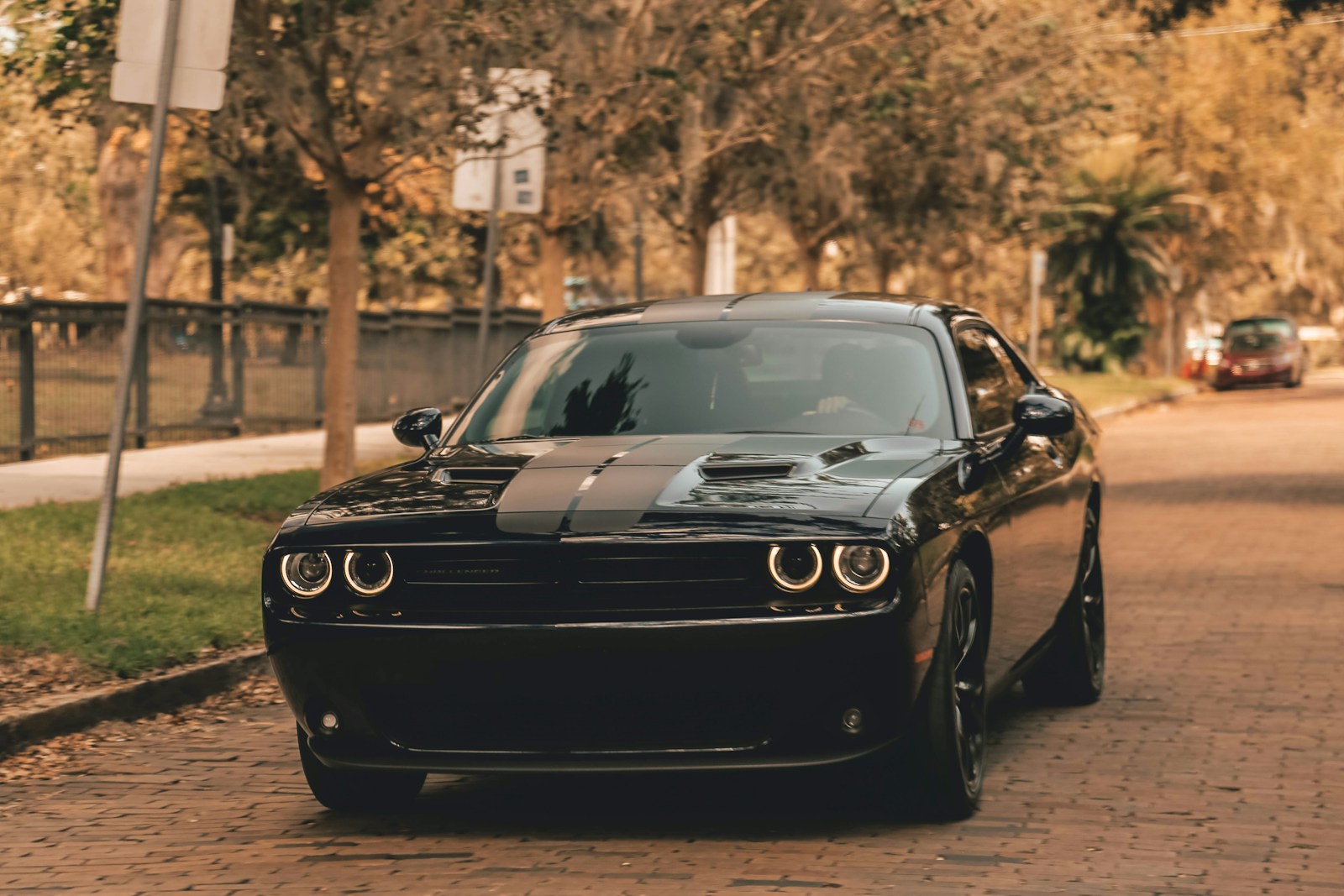

When Dodge built its last Challenger in December 2023 and Chevrolet wrapped up the sixth-generation Camaro a few months later in early 2024, both companies were sending off pony cars whose flagship performance trims had landed within a few thousand dollars of each other new, generally in the high-$60,000s to low-$70,000s range once options were added. Two years on, that price parity on the sticker has completely broken down in the used and collector market. One nameplate’s rarest specials are gaining real ground while the other’s officially branded send-off edition has already shed close to a quarter of its value, and the gap keeps widening in opposite directions.
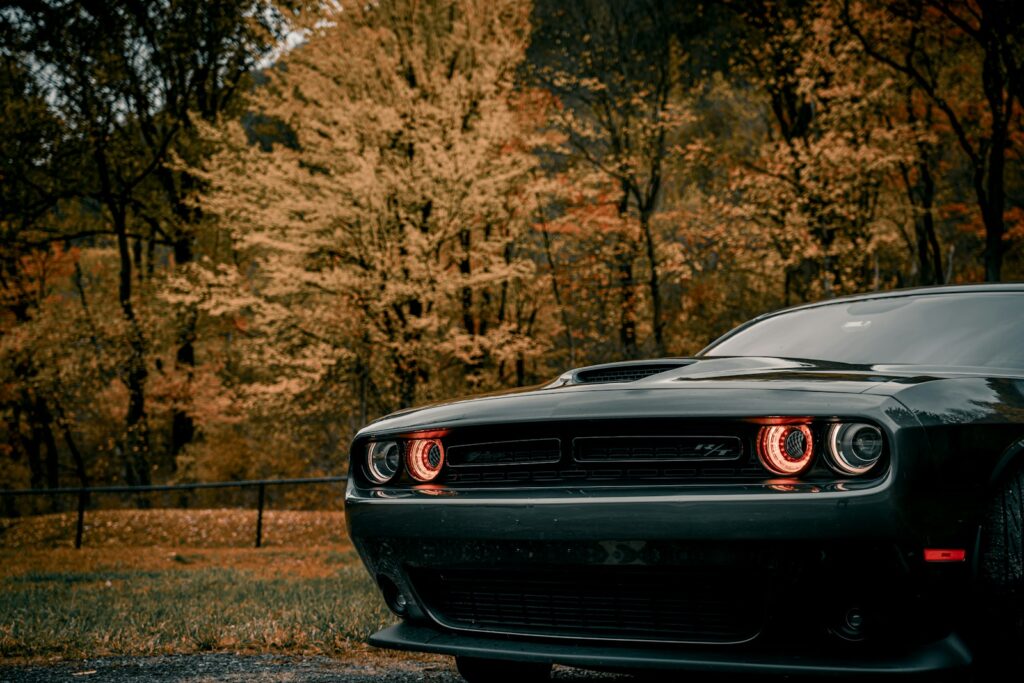
The Challenger Is Splitting Into Two Different Markets
Since 2020, average condition-3 (“good” condition) Dodge Challengers have climbed 10% to an average value of $52,168, according to Hagerty’s Mopar valuation data. That is a broad number covering everything from six-cylinder cars to Hellcats, and it masks a much sharper split happening underneath it.
At the top of the range, the ultra-limited 2018 Challenger SRT Demon has appreciated 18% just since January 2022, according to Hagerty Insider’s tracking of the model. That is a genuine, sustained climb for a car that was already a six-figure proposition when new. Meanwhile, the far more common 2015-2018 Hellcat, the trim most buyers actually cross-shopped against the ZL1, has cooled recently. Hagerty’s own data shows the average sale price for those Hellcats fell nearly 10% since February of this year, dropping from $61,959 to $56,690, according to Hagerty’s reporting on the trend, a level not seen since 2018.
So the Challenger nameplate is really telling two stories at once. The genuinely scarce, top-of-the-food-chain variants are pulling away from the pack while the volume-production Hellcat, the car that made the model famous, is giving back some of its post-pandemic gains. Even the mainstream, non-Hellcat cars are moving, just barely: the naturally aspirated 2014 SRT8 has gained 8.3% since 2018 to around $36,400, and the plain R/T has inched up only 1.2% to roughly $24,800 over the same stretch, per the same Hagerty tracking. Adjusted for inflation, that R/T number is arguably flat or slightly negative in real terms, which only sharpens the contrast with the Demon’s genuine, inflation-beating climb.
The Camaro’s “Collector” Edition Hasn’t Collected Anything Yet
Chevrolet’s actual send-off car, the 2024 Camaro ZL1 Collector’s Edition, was pitched at launch as the model to own if you wanted a piece of Camaro history. The market hasn’t cooperated. Kelley Blue Book currently lists the car’s private-party value at $63,450 to $69,350, down from roughly $88,690 when it was new, a decline of $21,690, or 24%, in just two years, according to KBB’s own pricing data for the model.
That is a steep, straight-line drop with no sign yet of the floor Hagerty’s data shows forming under the Challenger’s specialty trims. A car built and marketed explicitly as a collectible has, so far, simply depreciated like a very fast, very expensive daily driver.
Why One Farewell Car Is Working and the Other Isn’t
The difference likely comes down to what actually made each car scarce. The Demon wasn’t just a badge; it came with a genuinely different drivetrain calibration, a stripped-down structure, and production numbers that were tiny relative to the Hellcat line beneath it, the kind of mechanical distinctiveness collectors have historically paid for regardless of what nameplate is on the fender. The Collector’s Edition ZL1, by contrast, was mostly a package of unique paint, badging, and trim on top of a mechanically identical ZL1, built in far greater numbers than any Demon ever was. Slapping a “final” label and a special stripe on a car doesn’t manufacture the kind of scarcity the market has already proven it will pay for.
Both companies are gone from the pony car business for now, at least in this form, and both left behind cars with roughly the same launch price and the same basic pitch to buyers. What’s happening on the auction circuit since then shows that collectors aren’t rewarding a farewell tour on its own. They’re still pricing these cars the way they always have, based on how genuinely different, and how genuinely rare, the specific piece of metal in front of them actually is.