
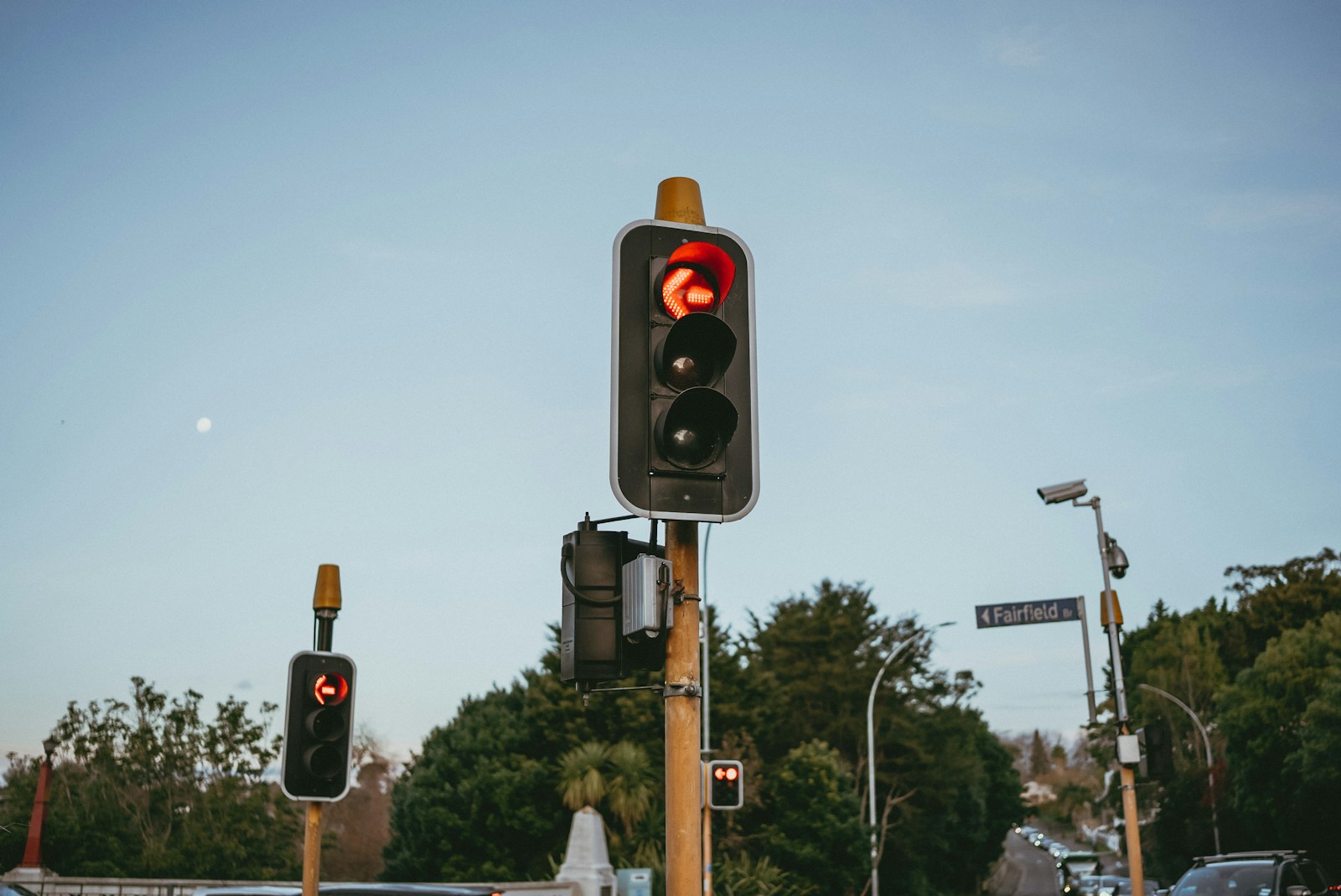

New York City alone signed a $998 million, five-year contract with its camera vendor at the start of 2026 to expand automated red-light enforcement from roughly 150 intersections to 600. Washington, D.C. is on pace to collect more than $1 billion in speed-camera revenue over four years from just 477 cameras. Chicago pulled in $90.9 million from speed cameras in 2024 alone. Meanwhile, nine states ban red light cameras outright, and a further sixteen have never even passed a law authorizing them, meaning roughly half the country isn’t running a red-light camera program of any kind. The math on where this money actually gets collected isn’t close, and it isn’t evenly spread across the country the way most driving-related costs are.
A Program That Isn’t Legal Everywhere to Begin With
Automated enforcement cameras are active in at least 27 states plus Washington, D.C. for red light violations, while nine states, including Idaho, Maine, Montana, Texas, and West Virginia, explicitly prohibit them, according to the Insurance Institute for Highway Safety’s tracking of state camera laws. Several more states, among them Michigan, New Jersey, Massachusetts, and Wisconsin, simply have no law authorizing local governments to run them. Speed cameras follow a similar map, permitted in some form in roughly 30 states while states like Wisconsin, South Dakota, and New Hampshire ban them entirely.
That legal patchwork means the revenue was always going to concentrate somewhere. Every dollar collected nationally comes out of the same roughly two-thirds of the country where a state legislature or city council has actually authorized the hardware, while the rest of the map contributes nothing at all.
Where the Real Money Actually Sits
Within the states that do allow cameras, the money is even more concentrated than the legal map alone would suggest. New York City’s program had already generated close to $364 million from its inception through mid-2023, according to reporting on the city’s Verra Mobility contract from Smart Cities Dive, and that was before the 2026 expansion to 600 intersections even began. In Washington, the top 10 highest-earning speed cameras citywide brought in $27.7 million combined in just the first half of 2024, a figure that came from a 477-camera network the district had built out by that June.
Chicago’s $90.9 million haul in 2024 came from 1.84 million recorded violations, one every 24 seconds of the year, with its single highest-earning camera on the city’s South Side generating $3.19 million on its own, according to the Illinois Policy Institute’s analysis of city data. Maryland has historically shown the same pattern in miniature: speed camera revenue collected statewide has run in the tens of millions annually, and the vast majority of it has come from just two of the state’s counties rather than being spread evenly across Maryland’s 24 jurisdictions. A handful of aggressive, well-funded programs in a handful of cities, in other words, are doing the overwhelming share of the collecting, even among the minority of states that allow this kind of enforcement at all.
New York’s own statewide highway work-zone camera program adds another data point to the same story. According to reporting that compiled state and municipal disclosures, it collected roughly $28.2 million in citations through the end of 2025 from more than 600,000 notices issued since April 2023, netting around $12.4 million after $16.1 million in program expenses. That single, narrowly targeted program, limited to construction zones on state highways, is on top of the roughly $364 million New York City’s separate red-light camera program has generated on its own, underscoring just how much a state and a city can collect once they commit to building out the infrastructure rather than leaving the option on the table.
What Drivers Actually Have a Right to Do
Most camera tickets are civil infractions rather than criminal moving violations, which in many states means no license points get added even when the fine is paid in full, according to legal guidance published by FindLaw. Drivers generally retain the right to contest a camera ticket in the jurisdiction that issued it, and the burden in most camera cases rests on proving the registered owner, not necessarily a specific driver, was in control of the vehicle at the time, a distinction that has formed the basis of successful challenges in several jurisdictions.
None of that changes the basic financial picture. A small number of the country’s most populous cities and counties, sitting inside the roughly half of states that actually run these programs, have built automated enforcement into a genuinely massive and still-growing revenue stream, while the other half of the country either bans the practice or has simply never opted in.