

Hagerty’s newest Bull Market List, the collector-car insurer’s closely watched annual read on where enthusiast money is moving, has quietly changed its answer about which era of American performance cars is heating up fastest. Six of the eleven vehicles on the 2026 Bull Market List come from the 1990s and 2000s, a hard pivot from the prior year’s list, which leaned toward cars built after 1980. Hagerty’s own language is blunt about the shift: this year’s list “trends towards the ’90s and ’00s,” a period the company calls “the final chapter of the analog era.”
The Data Behind the Shift
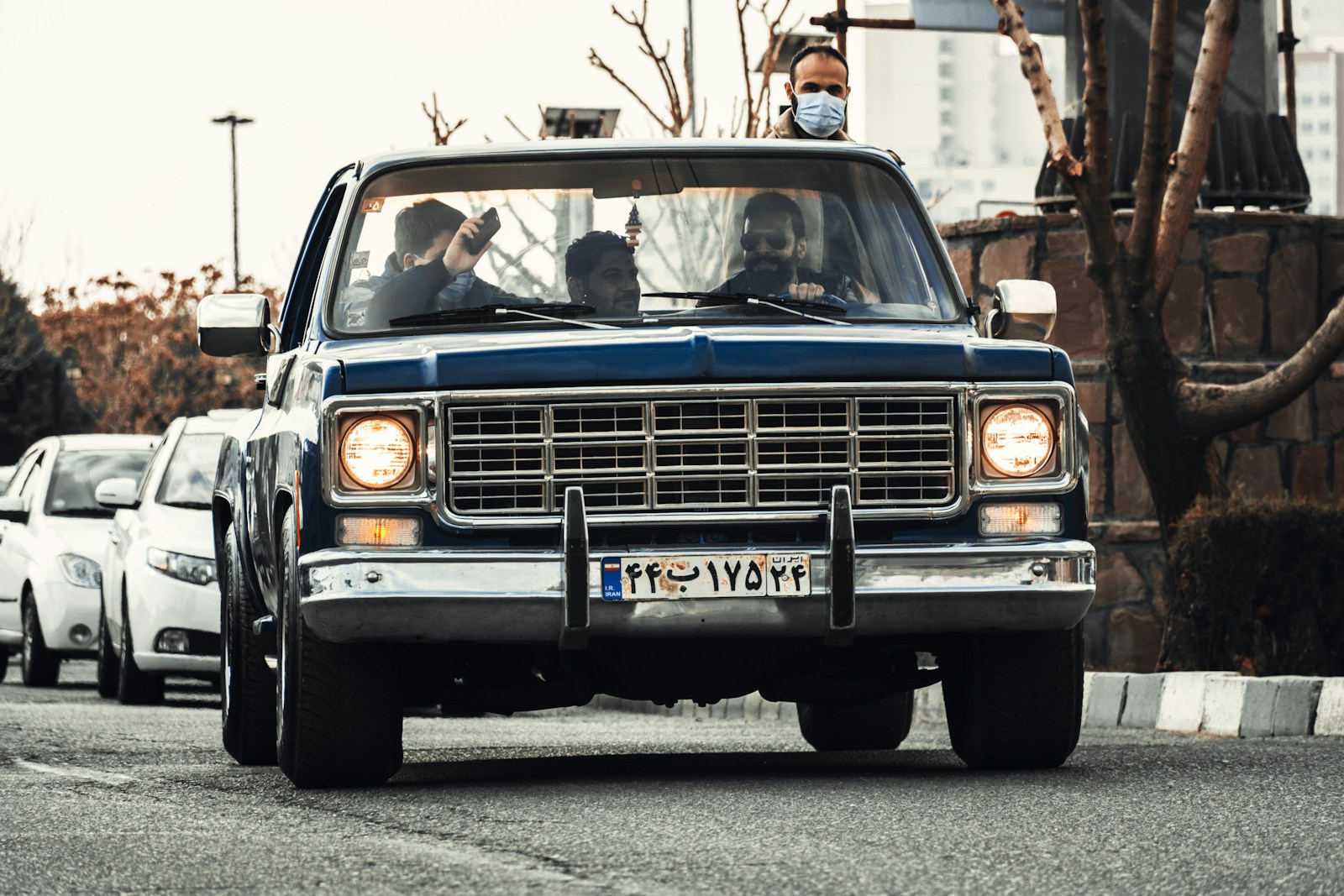
Hagerty doesn’t just publish a list of names; it backs each pick with insurance data pulled from its own book of policies, which makes it one of the few genuinely quantifiable windows into where real collector-car money is flowing rather than where auction hype happens to be pointing that month. The 1990-1993 Chevrolet 454 SS pickup is a clean example. According to Hagerty’s own figures reported in its 2026 list breakdown, new insurance policies on the 454 SS are growing faster than Hagerty’s overall average, and the average insured value on the truck has climbed 57% since 2021. That’s not an auction-day headline number inflated by one lucky bidding war; it’s a multi-year trend line built from thousands of real policies.
The generational data attached to the list is just as telling. Hagerty reports that 58% of interest in the 2006-2010 BMW M5 comes from buyers under 40, and 78% of interest in the 1995-1998 Volkswagen Golf GTI Mk III comes from buyers 50 or younger. Cars from the 1950s and 1960s built their collector reputations on buyers who remembered them new. The 1990s and 2000s cars now climbing Hagerty’s index are being bought by people who were kids, or not yet born, when these cars rolled off the line.
Why This Decade, Specifically
Hagerty frames the appeal in mechanical terms as much as nostalgic ones. These cars represent, in the company’s words, modern speed and technology “paired with manual transmissions and limited electronic interference,” a combination that’s becoming harder to find as new performance cars lean further into driver-assist systems, automatic transmissions, and infotainment layers between the driver and the car. A 2006 M5 with its 500-horsepower V10 and a stick shift reads as a genuinely different ownership experience than anything BMW sells today, in a way a well-preserved 1965 muscle car doesn’t necessarily read as different from its 2020s equivalent.
That distinction matters for a valuation index because it explains why the appreciation isn’t evenly spread. It’s concentrated in cars that combine two things at once: genuine period-correct performance and a driving experience modern manufacturing has since moved away from. A base-model economy car from 1998 isn’t riding this wave. A manual, naturally aspirated or classically turbocharged performance car from that same window very much is.
The full list backs up the pattern beyond the two examples above. Hagerty’s press materials also point to the 2006-2013 Corvette Z06 and the 1995-1998 Nissan Skyline GT-R as vehicles drawing strong collector interest among younger buyers, both of them exactly the kind of manual-transmission, analog-feeling performance cars the company says define this particular window. Hagerty updates its underlying Price Guide on a quarterly basis, tracking real transaction and insurance data across thousands of individual vehicles rather than relying on a handful of headline auction results, which is what gives a list like this actual statistical weight instead of just reflecting whichever car happened to sell well at a single weekend sale.
A Market That Keeps Moving the Goalposts
The most useful thing about tracking Hagerty’s list year over year isn’t any single car on it. It’s watching the center of gravity move. Last year’s list skewed toward cars built after 1980. This year it’s the 1990s and 2000s specifically. That’s a meaningful narrowing, not just a broader range getting slightly more popular, and it suggests the market is actively sorting through eras rather than simply inflating everything built before a certain year.
For anyone who’s been sitting on a clean, unmodified example from that window, whether it’s a Golf GTI that never got the fast-and-furious treatment or a 454 SS that spent its life under a cover, the data suggests the market caught up to what enthusiasts already suspected: these were the last cars built before the industry fundamentally changed what a performance car is, and buyers are increasingly willing to pay for the difference.