
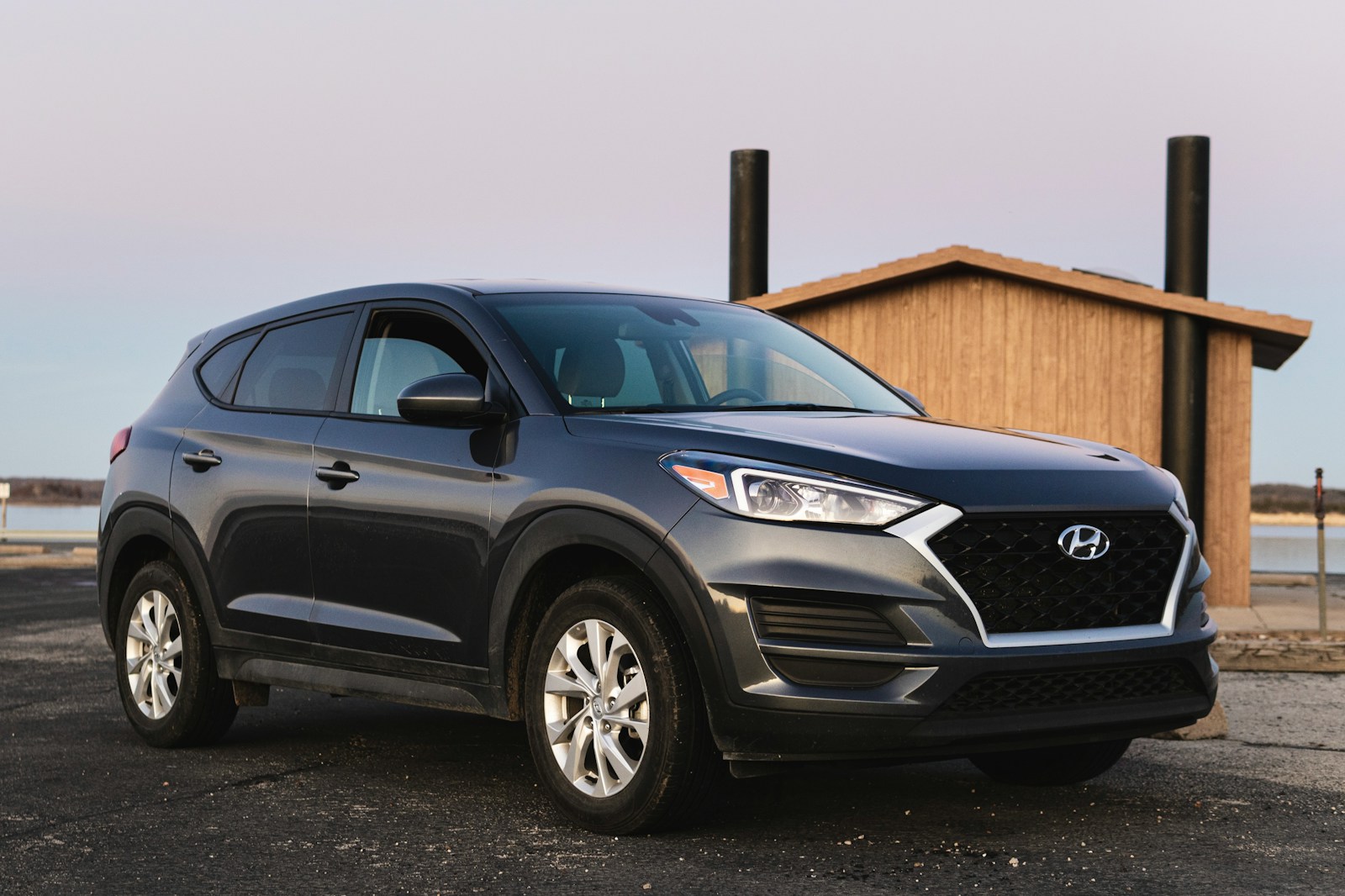

Hyundai sold 86,977 vehicles in the U.S. in August, a 2% dip from a year earlier, but buried inside that modest overall decline is a number that matters more for where the brand is headed: hybrid sales jumped 33% year over year and now account for 29% of everything Hyundai sold, according to Hyundai Motor America’s own August 2026 sales release.
Add electric vehicles to that hybrid figure and electrified models — gas-electric hybrids plus full EVs — made up 34% of Hyundai’s total August volume. That’s a record hybrid share for the brand, per the same release, and it’s happening at a moment when the broader industry is going the other direction on electrification.
“Hybrid demand remained strong, helping electrified vehicles reach 34% of total sales and hybrids achieve a record share,” said Randy Parker, president and CEO of Hyundai Motor North America, in the company’s release. Hyundai didn’t break out a single aggregate EV sales figure in the release, framing the month instead around the hybrid record.

Key Points
- August 2026 total sales: 86,977 units, down 2% from 88,523 a year earlier.
- Hybrid sales up 33% year over year, now 29% of Hyundai’s total monthly volume.
- Combined hybrid-plus-EV share: 34% of total sales, a company record.
- Year-to-date sales sit at 620,025 units, up 2% from 607,346 through the same period in 2025.
Hyundai’s hybrid strength is landing against a backdrop where pure EV demand has cooled industry-wide following the expiration of federal EV tax credits. Cox Automotive’s Kelley Blue Book data show EVs made up roughly 5.8% of total new-vehicle volume in the second quarter of 2026, down sharply from a record 10.6% in the third quarter of 2025 when buyers rushed to beat the credits’ expiration. That same Cox Automotive analysis forecasts hybrid sales climbing about 9% industry-wide in the first half of 2026, even as the overall new-vehicle market contracted 2.2% — a pattern Hyundai’s August numbers track almost exactly.
The math is straightforward for anyone cross-shopping a new SUV right now: hybrid buyers aren’t chasing a tax credit that’s disappearing, and rising gas prices have made the fuel-economy math on models like the Tucson Hybrid and Santa Fe Hybrid pencil out faster than it used to. Hyundai isn’t alone in leaning into that shift — Kelley Blue Book’s own Brand Watch survey found hybrid and SUV shopper interest hitting new highs through the first half of 2026 — but Hyundai’s 33% hybrid growth in a month where its total sales actually fell is a sharper signal than most competitors have posted. A brand losing overall volume while its hybrid lineup sets records isn’t a coincidence; it’s a company betting its near-term growth on exactly the powertrain buyers are actually asking for.