

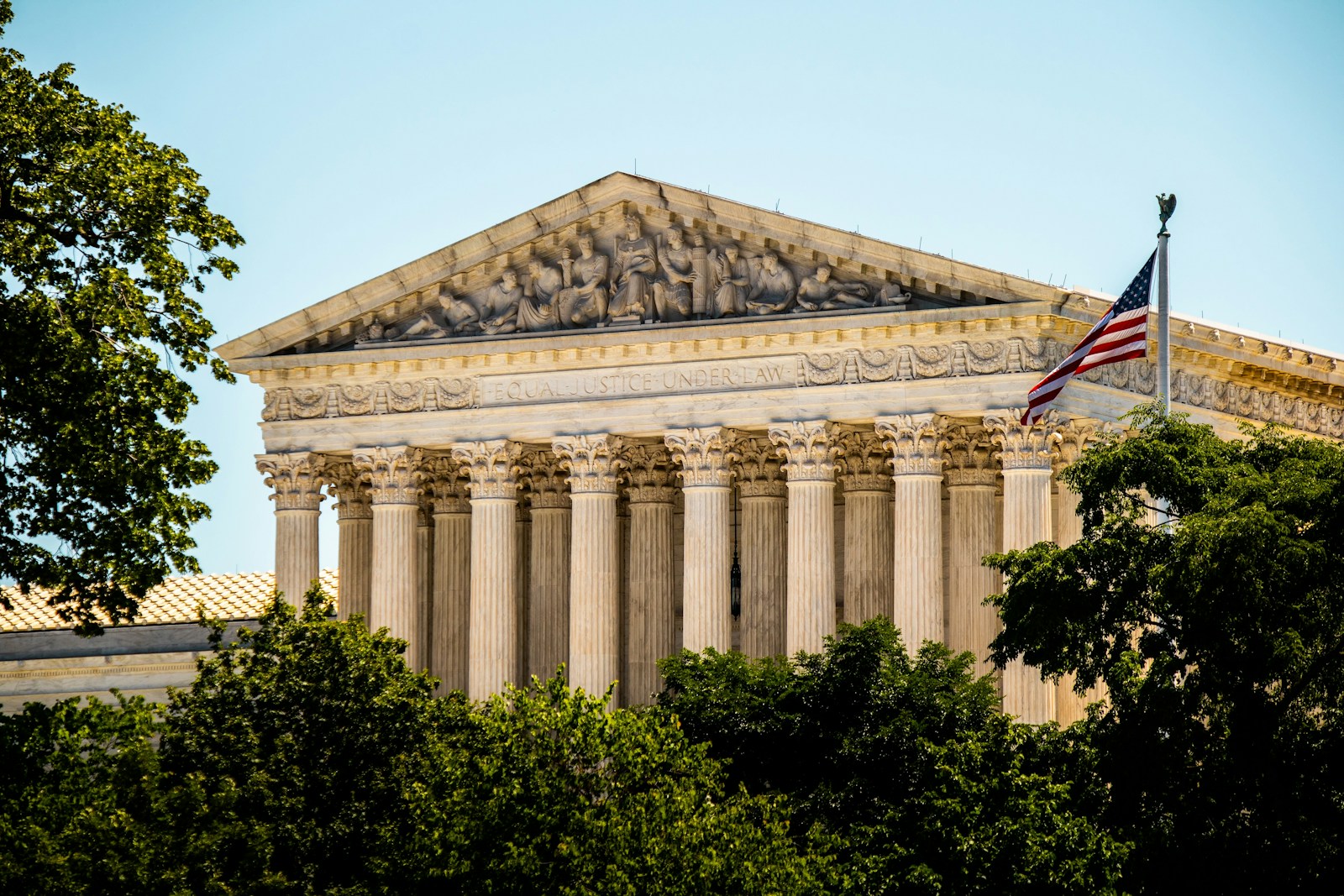
On January 27, 2025, three judges on the Fifth Circuit Court of Appeals threw out a federal rule that was supposed to stop car dealers from tacking hidden junk fees onto your purchase and advertising deals that didn’t actually exist. The rule, known as the CARS Rule, had been finalized by the Federal Trade Commission a little over a year earlier and was projected to save consumers more than $3.4 billion and 72 million hours annually in vehicle shopping. The court didn’t rule that the underlying dealer practices were fine. It ruled the FTC used the wrong procedure to write the rule in the first place, according to the Fifth Circuit’s own opinion in National Automobile Dealers Association v. FTC. The practical result is the same either way: several of the add-on and advertising tactics the rule targeted are legal again in most states.
What the rule actually would have banned
The CARS Rule, short for Combating Auto Retail Scams, was announced by the FTC on December 12, 2023, and set to take effect the following July. It targeted two categories of dealer conduct directly: bait-and-switch advertising, where dealers lure buyers in with prices, financing terms, or vehicle availability that don’t hold up once you’re at the desk, and hidden junk fees, where charges for add-on products get buried in financing paperwork that buyers never meaningfully agreed to. The rule would have required dealers to get a customer’s express, informed consent before charging for any add-on, and to disclose plainly that those add-ons are optional, according to the FTC’s own announcement. It also carried specific protections for military servicemembers, who dealers have long been accused of targeting with false claims about relocation restrictions and repossession rights.
A procedural technicality, not a verdict on the fees
The National Automobile Dealers Association and a coalition of dealer groups sued before the rule even took effect, and the FTC itself paused the effective date in January 2024 while litigation played out, according to the agency’s own pause announcement. The Fifth Circuit’s eventual ruling turned on a narrow legal question: whether the FTC was required to issue an advance notice of proposed rulemaking before drafting the CARS Rule. The court found that the agency’s authority for the rule came from a section of the FTC Act that triggers the agency’s own internal advance-notice requirement, that the FTC skipped that step, and that this wasn’t a harmless error, according to the case record the FTC itself maintains. Nothing in the opinion says junk fees or bait-and-switch ads are acceptable. It says the rulebook the FTC wrote to stop them was built the wrong way.
An eighteen-month rule with almost no runtime
Because litigation started before the effective date and the FTC itself agreed to a pause while the case was pending, the CARS Rule was never actually enforced against a single dealership in a live transaction. It existed on paper from December 2023 until it was struck down in January 2025, governing nothing in practice for the entire span. Dealer trade groups framed the fight as one over regulatory overreach and compliance costs; consumer advocates who had pushed for the rule for years framed the procedural loss as a technicality that let substantive junk-fee protections die without a court ever weighing in on whether those protections were justified. Both readings can be true at once, and neither one puts the rule back in force.
What “vacated” means for the fee you’ll be quoted next week
A vacated rule isn’t paused or under appeal anymore — it’s gone, sent back to the FTC to potentially start the rulemaking process over from scratch under different leadership with, as legal analysts covering the case have noted, no guarantee of the same priorities. Until and unless a new rule survives the same procedural gauntlet, dealers are governed by whatever junk-fee and advertising protections already exist at the state level, which vary enormously, plus the FTC’s general authority under Section 5 of the FTC Act to pursue outright deception case by case rather than under a specific bright-line rule. That’s a much slower, more reactive form of enforcement than a rule dealers had to comply with everywhere, automatically.
The gap this leaves you standing in
Regulators identifying a problem and regulators successfully stopping it are two different events, and the eighteen months between the FTC announcing the CARS Rule and a court erasing it show exactly how much can happen in that gap. The fee categories the rule was built to address — service contracts nobody explained, “protection packages” nobody consented to, prices that changed once you sat down — remain a matter of which state you’re in and how hard you push back at the table, not a matter of settled federal law.