
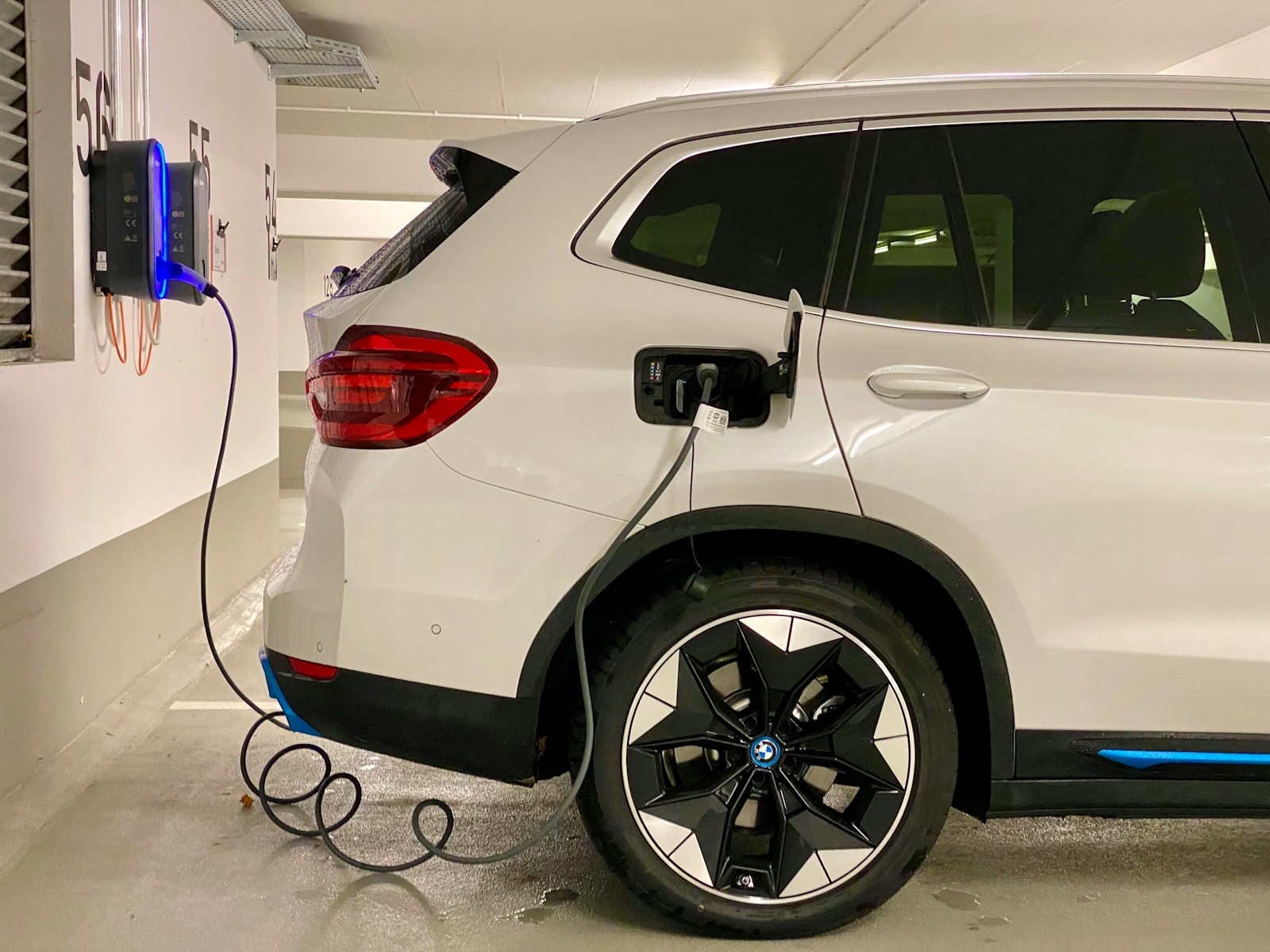

New electric vehicle sales in the United States fell 28 percent year over year in the first quarter of 2026, dropping to roughly 212,600 units from 296,304 a year earlier, according to Cox Automotive’s Q1 2026 Industry Insights report. In that same three months, used EV sales climbed 12 percent, reaching about 93,500 units, close to a record for the category. Those two numbers shouldn’t move in opposite directions, except they’re being pulled by the same force: steep, fast depreciation turning yesterday’s expensive new EV into today’s bargain used one. A used EV now averages $34,821, putting it within $1,300 of a comparable used gas vehicle for the first time, according to Cox Automotive. That gap topped $10,000 as recently as early 2023.
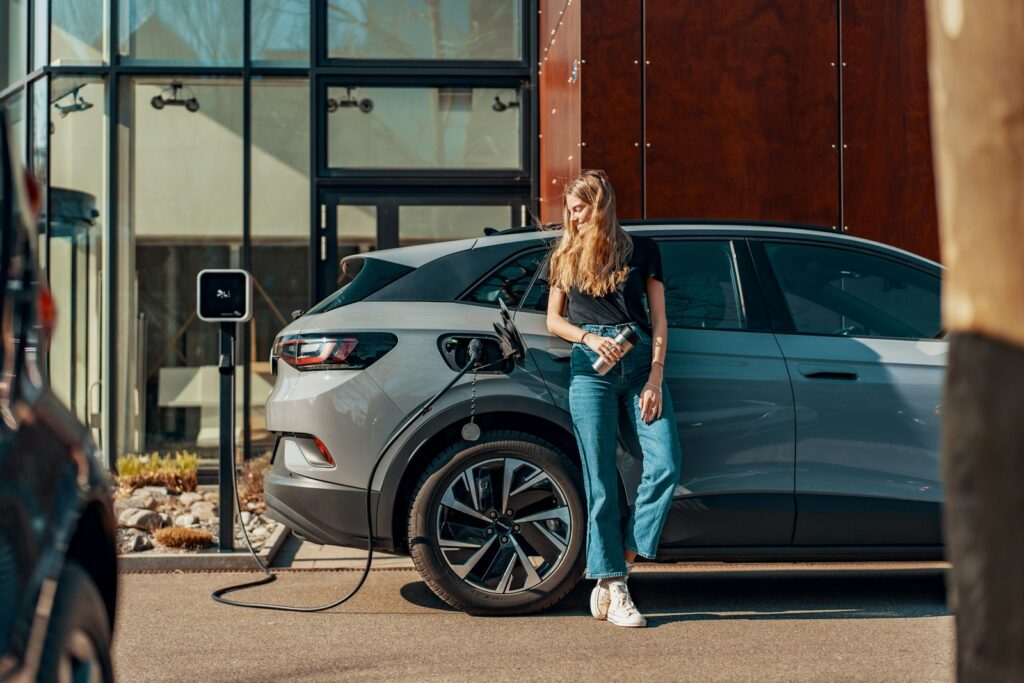
Why New EV Sales Fell Off a Cliff
The trigger is easy to name. The $7,500 federal EV tax credit expired on September 30, 2025, and new EV demand didn’t survive the transition. Cox Automotive’s Q1 2026 Industry Insights presentation puts new-EV market share at 5.8 percent of total new-vehicle sales for the quarter, flat against the end of 2025 but down sharply from a 10.6 percent peak in the third quarter of 2025, when buyers rushed to beat the credit’s expiration. Stephanie Valdez Streaty, Cox Automotive’s director of insights, said in the company’s own Q1 commentary that “the U.S. EV market has clearly entered a new phase,” adding that “with federal incentives gone, the first quarter reflected a necessary reset – sales slowed and market share shifted.” Inventory backed up fast: new EV supply swelled to roughly 130 days’ worth on dealer lots, about 46 percent higher than gas-vehicle inventory, pushing automakers into heavier incentive spending even as the average new EV transaction price climbed to $55,300 by February 2026.
Where That Same Demand Landed Instead
Buyers priced out of a $55,000 new EV didn’t necessarily leave the category. Many just shifted one lot over. Cox Automotive’s data shows 44 percent of used EV sales in February 2026 happened under $25,000, and the typical used EV purchase now lands in the $20,000-to-$30,000 range, often a roughly three-year-old model with around 33,000 miles on it. That’s a direct byproduct of lease returns: EVs leased heavily in 2022 and 2023 are rolling back onto dealer lots now, arriving with factory-backed histories that used-EV buyers trust more than a private listing would offer. Cox Automotive’s separate Manheim Used Vehicle Value Index shows used-vehicle values broadly normalizing through the first half of 2026 after an unusually strong start to the year, and EVs have been depreciating faster than the market average, which is exactly what’s compressing the price gap against gas vehicles. It also means the used-EV shopper today isn’t necessarily buying a compromise car. A three-year-old EV off a corporate lease typically comes with a documented service history and a battery still well within its original warranty window, which narrows the biggest fear used-EV buyers used to have about a stranger’s charging habits and degraded range.
The Same Curve That Helps Buyers Hurts Sellers
Depreciation is the whole story here, and it cuts two directions depending on which side of the transaction someone sits on. A used EV averaging $34,821 against roughly $33,487 for a comparable used gas vehicle is a genuinely good deal for a shopper who no longer qualifies for a federal credit and doesn’t want to pay full sticker on a new one. It’s a far rougher outcome for whoever bought that same EV new eighteen months ago at $55,000-plus and is now trading it in against a depreciation curve steeper than almost anything else on the road. The tax credit’s disappearance, a wave of off-lease inventory, and battery-health uncertainty are all compounding at once, and dealers are pricing accordingly on both ends of the same transaction.
New EV sales and used EV sales used to move roughly together, rising and falling with gas prices and interest rates in tandem. They’ve split into two separate markets running on two separate clocks now, and the used side is where the actual bargains, and the actual risk of buying a car still figuring out its second life, currently live. Whichever side of that split a shopper lands on this year probably says more about their tolerance for depreciation risk than it does about how they feel about electric cars themselves.