
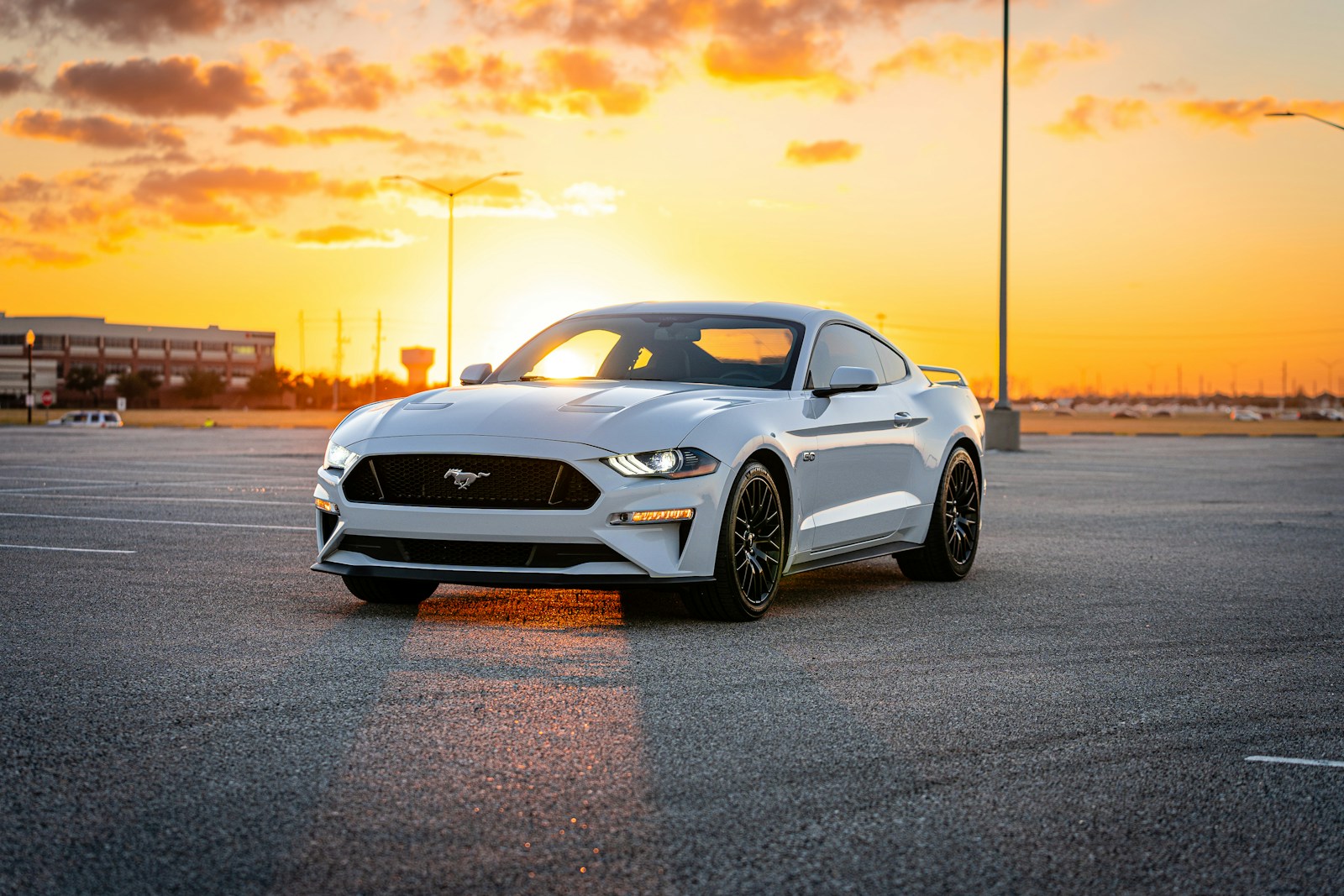

The 2026 Ford Mustang GT carries an EPA highway rating of 23 mpg, straight from the agency’s own fueleconomy.gov database, out of a 5.0-liter V8 rated at up to 486 horsepower on Ford’s own spec page. The last V8 Chevrolet Camaro SS, built through the 2024 model year before GM retired the nameplate, posted 24 mpg highway from a 455-horsepower 6.2-liter engine according to its own EPA rating. Even the final Dodge Challenger R/T Scat Pack, 485 horsepower before Stellantis discontinued it after 2023, still carried a 23 mpg highway figure on its EPA listing. None of that reads like a headline number next to a hybrid, but measured against the horsepower attached to it, it’s a quiet trick most buyers never clock. You can pull every one of these figures straight off the government’s own database, and the pattern holds across the last generation of V8 muscle cars still on sale or recently discontinued.
The Same Number, Tested Far Less Kindly
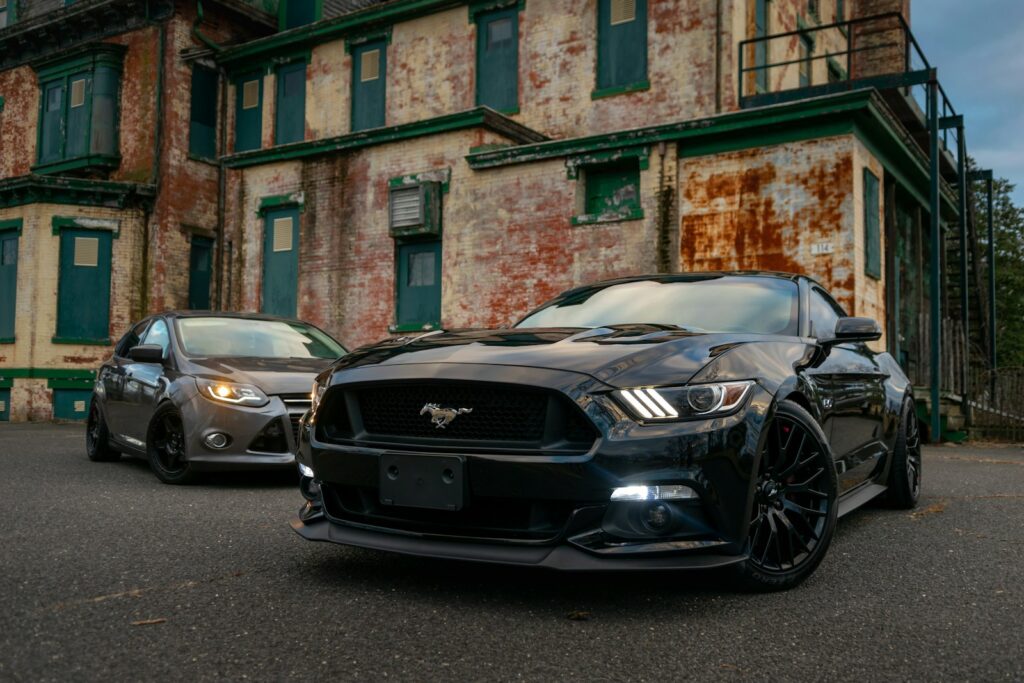
Go back to the mid-2000s and a Mustang GT built around a 4.6-liter, 300-horsepower V8 carried a highway rating in roughly the same 22-to-24 mpg band, according to model-year figures compiled from EPA data by CJ Pony Parts. That number came out of a far friendlier test. The EPA overhauled its fuel economy testing for the 2008 model year, and the agency’s own explanation of the change says the new procedures added high-speed driving, quicker acceleration, air conditioning use and cold-temperature testing specifically because the old cycle was overstating real-world mpg. A 2026 Mustang GT landing on the same 23 mpg highway rating under that stricter standard, while carrying 186 more horsepower than its 2006 ancestor, isn’t standing still. It’s absorbing a harder test and a much bigger dose of output and still parking in the same neighborhood.
Where the Extra Mpg Actually Comes From
None of this happens by accident. A 10-speed automatic gives both the Mustang GT and the Camaro SS a tall enough overdrive top gear to let a big V8 loaf at low rpm on the interstate, and both engines lean on direct injection and variable valve timing that older small-block and modular V8s never had. Ford’s own spec sheet for the current GT lists a 5.0-liter Ti-VCT V8 making up to 486 horsepower with the optional active-valve exhaust, a car that would have been a mid-pack supercar two generations back, now cruising the highway on par with a much smaller, weaker engine from twenty years earlier. Run the math on a full tank and it gets more tangible: Ford’s own technical spec sheet lists a 16-gallon tank for the GT, which at 23 mpg highway works out to roughly 365 miles of interstate range on one fill-up. None of these engines deactivate cylinders quite like a pickup truck does, but the broader playbook of taller gearing, better aerodynamics and more efficient combustion adds up to a simple outcome: horsepower nearly doubled while highway mpg barely moved.
The City Numbers Won’t Let You Forget What These Are
None of this makes a V8 muscle car efficient in the way most people mean the word. The same EPA sheet that gives the Mustang GT its 23 mpg highway number rates it at just 15 mpg in the city, for a combined figure of 18. The Camaro SS splits the difference at 16 city and 19 combined, and the Challenger Scat Pack drops to 14 mpg in stop-and-go traffic despite matching the Mustang’s 23 mpg highway rating. Combined figures across all three sit in a tight 17-to-19 mpg band, which tells you these are highway cruisers with a stoplight problem, not economy cars wearing a spoiler. Mash the throttle away from a light and the fuel economy story disappears about as fast as the rear tires do.
A List That’s Getting Shorter, Not Less Impressive
What makes these numbers worth noticing now is that the list producing them keeps shrinking. GM ended Camaro production in January 2024, and Stellantis wound down the V8 Challenger and Charger the same year, leaving the Mustang GT as the last continuously produced V8 muscle car on sale. Dodge’s replacement for the Charger runs on a twin-turbocharged 3.0-liter inline-six or a battery pack, not a V8, under what Stellantis’s own press materials describe as a multi-energy lineup built around an electric muscle car and a Hurricane six-cylinder. That leaves fewer and fewer naturally aspirated V8s left to post numbers like these at all.
What’s shifted isn’t the mission of a muscle car, it’s the toll charged for building one. A decade or two ago, a highway rating in the low-to-mid 20s came from a four-cylinder sedan or a modest six-cylinder coupe, not a naturally aspirated V8 pushing 450 to nearly 500 horsepower. These EPA numbers don’t prove muscle cars have gone green. They prove the last few holdouts finally figured out how to run a genuinely big engine through a genuinely harder test and still land in a range nobody expected a V8 to hit, right as the segment that made those engines runs out of room to keep building them.