
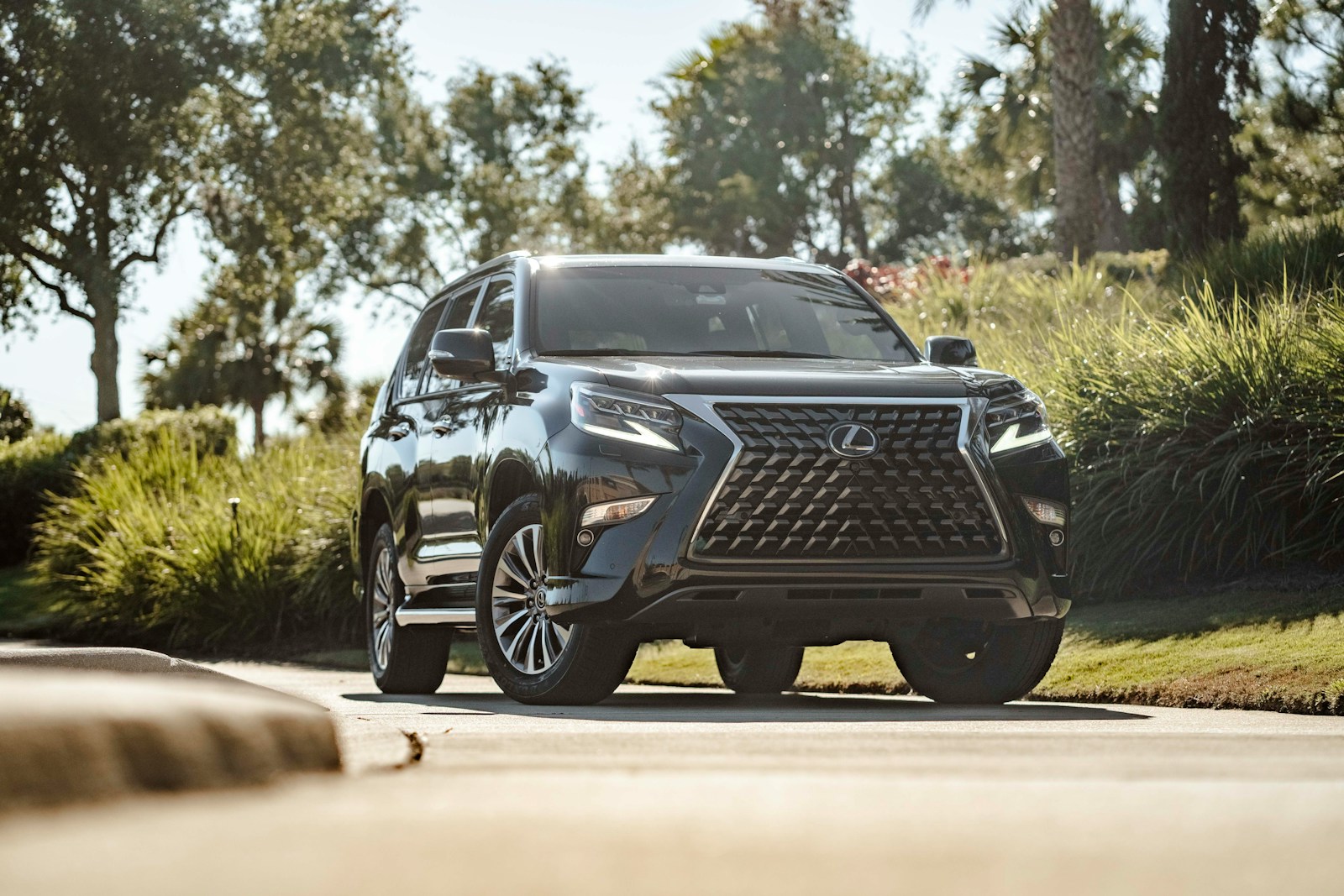

The Insurance Institute for Highway Safety named 63 vehicles to its 2026 Top Safety Pick and Top Safety Pick+ lists, and only 45 of those earned the tougher Plus designation. SUVs make up 35 of those 45 Top Safety Pick+ winners, according to IIHS’s own award announcement, spanning small crossovers like the Honda HR-V up through three-row rigs like the Kia Telluride and Hyundai Palisade. That sounds like a wide net until you consider how many SUV nameplates, trims and configurations are actually on sale in the U.S. right now, the overwhelming majority of which never even cleared the institute’s testing bar. The gap between Top Safety Pick and Top Safety Pick+ isn’t a marketing distinction, either. It comes down to whether specific crash-avoidance technology ships as standard equipment or sits behind an options list, a line IIHS draws in exacting, publicly posted detail.
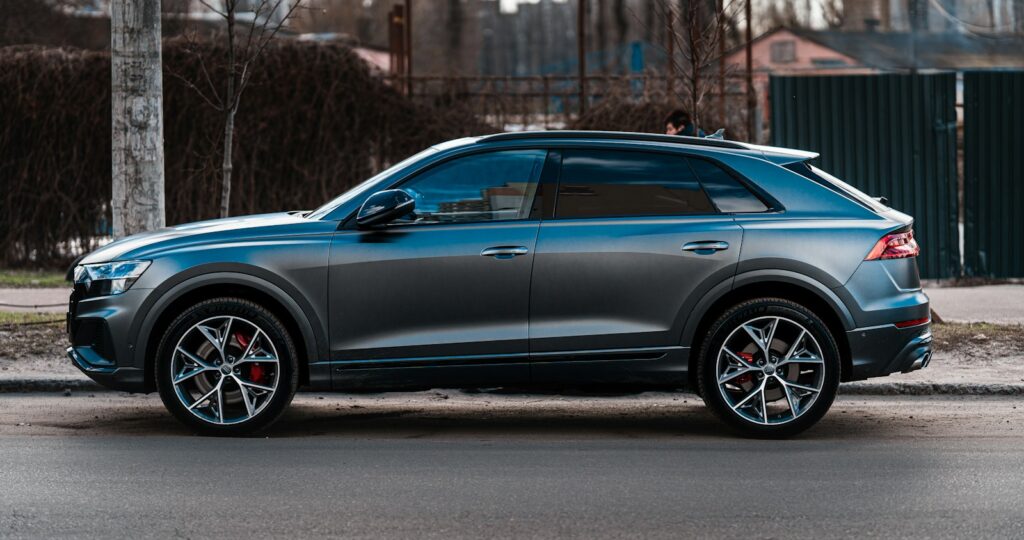
What Actually Separates Pick+ From Plain Pick
Both awards start from the same four hurdles: a Good rating in IIHS’s small overlap front test, a Good rating in the moderate overlap front test, a Good rating in the side-impact test, and headlights rated Acceptable or better as standard equipment across the tested trim. From there the two badges split. Top Safety Pick only requires that pedestrian front crash prevention earn an Acceptable or Good rating. Top Safety Pick+ raises that bar to a Good rating and adds an entirely separate requirement the base award skips: Acceptable or Good vehicle-to-vehicle front crash prevention under IIHS’s newer, tougher 2.0 protocol, which tests avoidance at higher closing speeds than the original version. Miss any one of those six boxes and a vehicle drops out of Plus territory even if every crash test result is otherwise flawless.
The Standard-Equipment Catch Most Buyers Miss
This is the part of the badge that trips people up at the dealership. IIHS doesn’t just ask whether a safety system exists somewhere on the options sheet. It asks whether that system, and the headlight hardware paired with it, comes standard on the specific trim tested, because a rating only means something if a random buyer walking onto a lot is guaranteed to get the same protection. IIHS President David Harkey put the institute’s current push bluntly in the 2026 announcement: “This year, we’re asking automakers to make excellent protection for back seat passengers the norm. For Top Safety Pick+, we’re requiring crash avoidance systems that are better at preventing pedestrian crashes as well as higher speed crashes with other vehicles.” He tied the tightening standard directly to the institute’s stated 30×30 goal of cutting U.S. crash deaths 30 percent by 2030. Headlights alone knock plenty of otherwise capable SUVs out of contention; IIHS’s own headlight research has found that vehicles earning Good headlight ratings are involved in meaningfully fewer nighttime crashes than those rated Poor or Marginal, which is why the institute refuses to hand out its top badge to a vehicle whose headlights merely function.
This Year’s SUV Winners, Size Class by Size Class
Small SUVs earning Top Safety Pick+ for 2026 include the BMW X1, Genesis GV60, Honda HR-V, Mazda CX-30, and several Hyundai models including the Ioniq 5, Kona and Tucson. Midsize SUVs on the list run from the Hyundai Palisade and Santa Fe through the Kia Sorento and Telluride, Nissan Murano and Pathfinder, Subaru Ascent and Outback, and the Mazda CX-70 and CX-90. Luxury midsize honorees include the Audi Q5, BMW X3 and X5, and Genesis’s SUV lineup, while the large SUV category, historically the hardest for bigger, heavier vehicles to clear, produced just two Top Safety Pick+ winners this cycle: the Rivian R1S and Volvo EX90. You can check the full, current list, sorted by size class, directly on IIHS’s own ratings site, which updates as new testing comes in throughout the model year.
Why the List Stays Short on Purpose
IIHS isn’t grading on a curve, and that’s the point. The institute is a research arm funded by auto insurers, not a regulator, so it has no obligation to hand out an easy pass just because a vehicle sells well or scores fine on federal crash tests. Every time IIHS tightens a requirement, as it did again for 2026 by demanding Good rather than merely Acceptable pedestrian prevention for the Plus badge, some of the previous cycle’s winners get knocked off the list until automakers catch up. That’s a deliberate design, not a flaw in the program.
The badge on a window sticker looks like a simple pass or fail, but underneath it sits a moving target that automakers keep chasing and IIHS keeps raising, one standardized headlight and one higher-speed avoidance test at a time.