
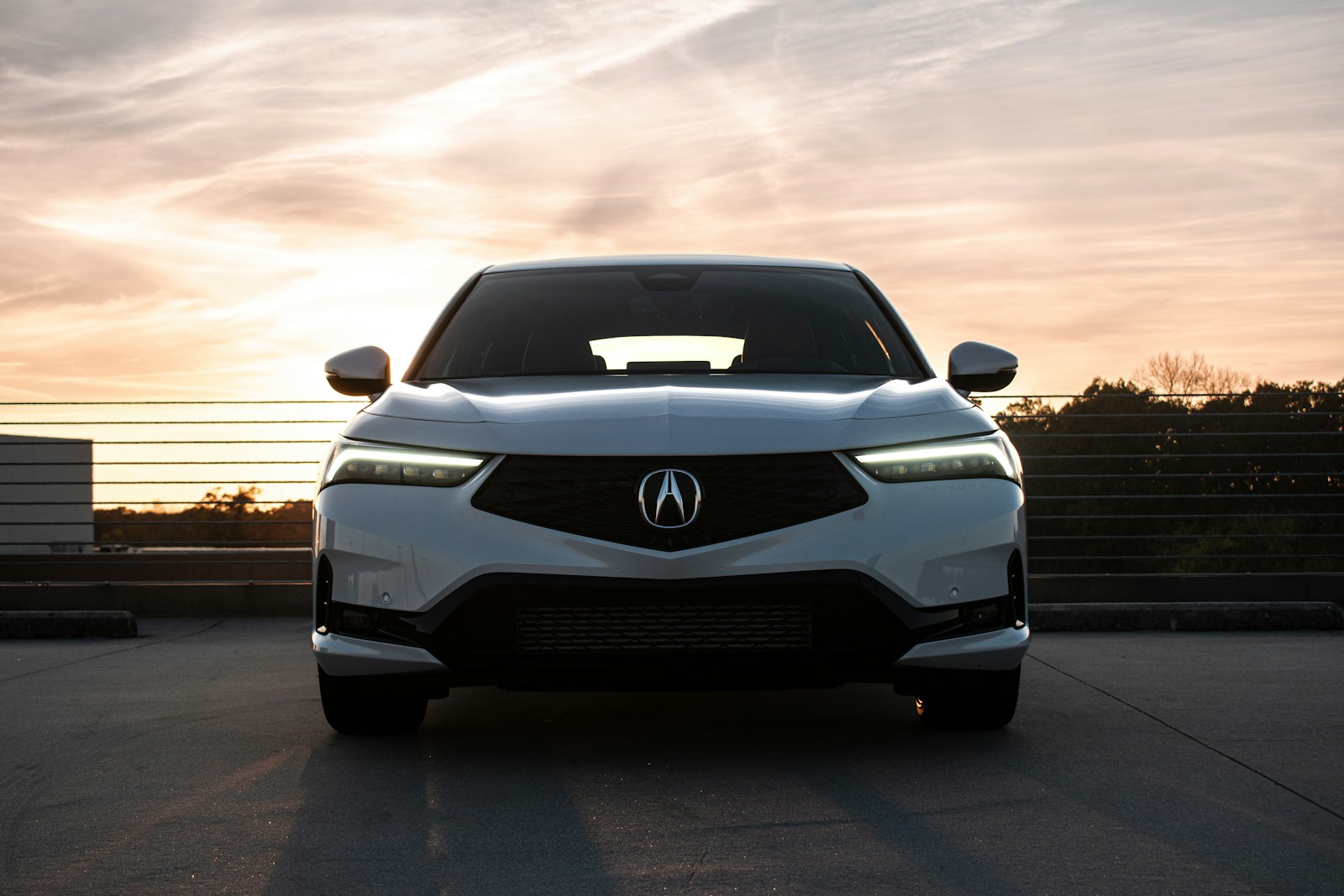

Acura rolled a low, chiseled sedan study called the Precision Concept onto the stage at the 2016 Detroit auto show, and more than a decade later, the diamond-shaped grille and sharply creased surfacing it introduced have quietly become the visual thread running through nearly every production Acura sold since. Most people cross-shopping a current MDX or TLX have no idea the vehicle in front of them traces its face directly back to a one-off design study most car buyers never saw in person. Acura’s own executives said at the time that the concept wasn’t meant to be a show-floor curiosity, and on that specific point, they turned out to be telling the truth.
The Concept Was Explicitly Built as a Blueprint, Not a Showpiece
Acura was unusually direct about the Precision Concept’s purpose from the start. Dave Marek, Acura’s global creative director at the time, said the concept “is more than simply a concept vehicle, it is a design study model that literally will shape the direction of all future Acura products around our Precision Crafted Performance DNA,” according to Acura’s own press materials from the concept’s unveiling. Toshiaki Mikoshiba, then president and CEO of American Honda, reinforced the point two years later, telling the audience at the 2018 Detroit auto show that “we set our design direction with the creation of first, the Acura Precision Concept, followed by the Acura Precision Cockpit, establishing an upscale and distinctive design direction for all future Acura products,” per Acura’s own transcript of that press conference. That is about as unambiguous a statement of design lineage as an automaker’s own marketing department is likely to issue.
The Grille Showed Up on Production Cars Within Two Years
Acura didn’t wait long to make good on that promise. The 2017 MDX received an early version of the concept’s language, and Acura’s own release announcing the redesigned 2018 TLX stated outright that the sedan “boasts a more aggressive and sporty look inspired by the Acura Precision Concept that debuted last year, a design direction that has successfully influenced the styling of the 2017 MDX luxury SUV,” adding that the car adopted “Acura’s signature diamond pentagon grille” as part of the update, according to Acura’s own 2018 TLX press kit. Acura vice president and general manager Jon Ikeda called the redesign an effort to “communicate the TLX’s dynamic capabilities” more effectively in the same release.

The Interior Language Followed a Similar Path
The exterior grille wasn’t the only element that migrated from concept to showroom. Acura paired the Precision Concept’s exterior direction with a companion interior study called the Precision Cockpit, and by the time the redesigned RDX arrived, Ikeda was pointing to that specific lineage inside the vehicle, noting the RDX’s cabin carried “design inspiration from the NSX” filtered through the Precision Cockpit concept, per the same 2018 Detroit press conference transcript cited above. That two-track approach, one concept setting the exterior face and a companion study setting the interior architecture, is why the diamond pentagon grille and a distinctly Acura cabin layout have both persisted across redesign cycles that otherwise changed nearly everything else about each model.
Why Buyers Never Connected the Dots
Concept cars are, by design, disposable in the public imagination. They tour auto shows for a season, get written up as far-fetched previews of a distant future, and then vanish from most buyers’ memory well before the production car they actually inspired reaches a dealer lot two or three years later. Acura’s Precision Concept never got a production version of its own exact sheet metal, no direct descendant that dealers could point to and say “that’s the car you saw at the show.” Instead, its influence arrived piecemeal: a grille shape on one model in 2018, a cabin philosophy on another in 2019, incremental sharpening of the same creases on a decade of subsequent redesigns. Nothing about that rollout was hidden by Acura, which documented the throughline in press release after press release, but nothing about it was built to be noticed by someone simply cross-shopping midsize luxury SUVs either.
A Decade Later, the DNA Is Still There
What makes the Precision Concept’s afterlife unusual isn’t that a concept car influenced a production model, which happens constantly across the industry and rarely survives contact with cost engineers and crash regulations intact. It’s that Acura’s own executives said, on the record, exactly what they intended the concept to do, and then followed through across multiple redesign cycles and two full model generations without abandoning the language for something newer. The diamond pentagon grille that started as a show-stand talking point in 2016 is, a decade on, simply what an Acura looks like, which is either the quiet triumph of a coherent design strategy or proof that most car buyers never look past the badge to ask where a shape actually came from.