
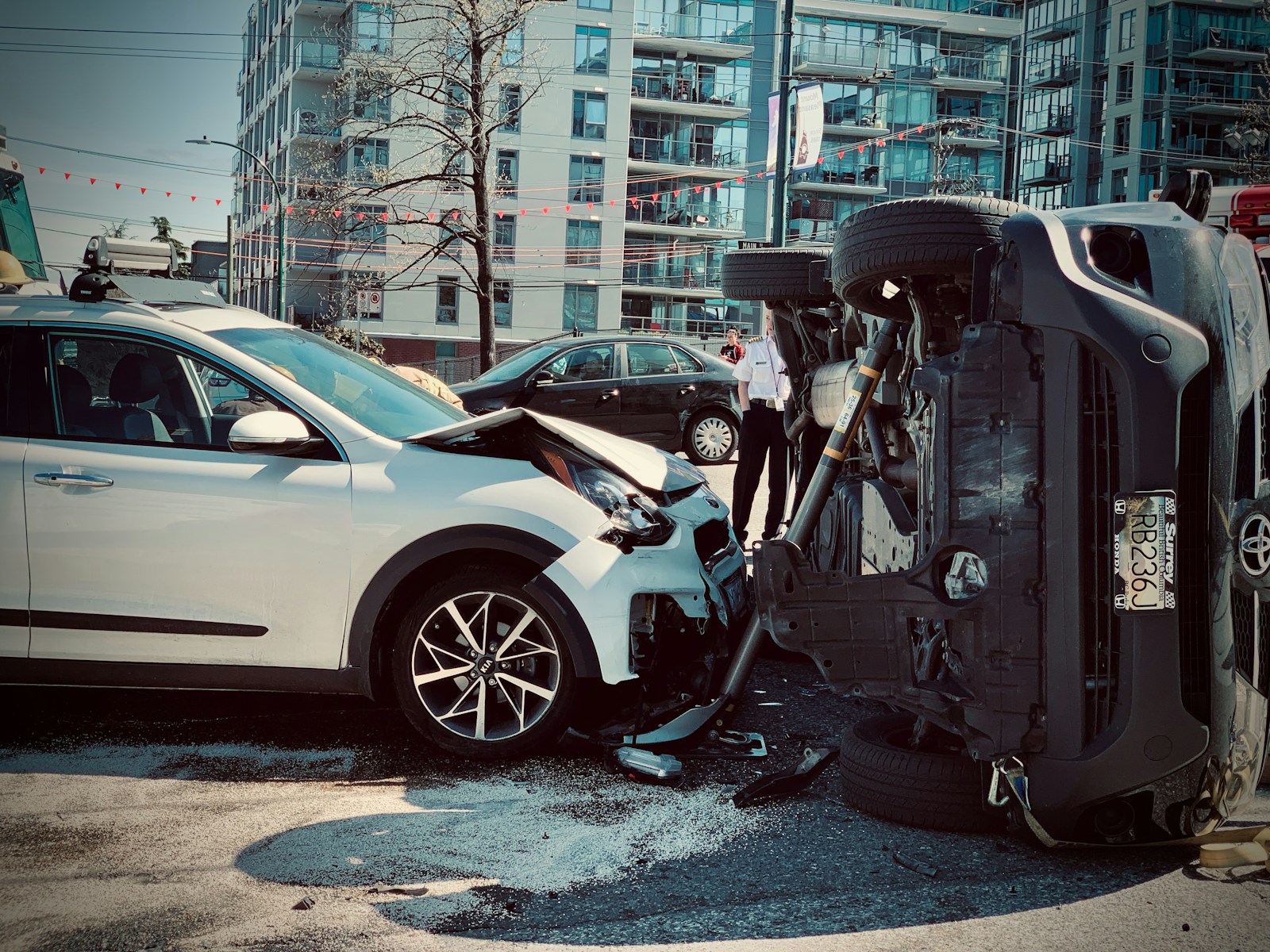

Accident forgiveness gets pitched at the exact moment a driver feels most exposed: right after a renewal notice, right after a friend’s rates spiked, or right when a new driver joins the policy. The offer sounds simple, one mistake won’t touch your rate, but insurers do not build endorsements that lose them money. Running the actual numbers published by insurers, consumer regulators and rate analysts shows the math behind accident forgiveness usually tilts back toward the company selling it, not the driver buying it.
What the endorsement actually costs
Pricing varies by carrier and state, but the pattern is consistent. A Forbes Advisor analysis published in December 2025 found accident forgiveness typically adds between $15 and $60 a year to a policy, with Nationwide near the bottom at $15 annually, Auto-Owners and Travelers around $21, and USAA and Farmers running $52 to $60. That is a small line item, which is exactly why it is easy to add without doing the arithmetic on what it is actually insuring against.
What it is supposed to protect against
The exposure the endorsement targets is real. The National Association of Insurance Commissioners, the organization that coordinates state insurance regulators, notes that a single at-fault accident can push a premium up by as much as 40 percent. Forbes Advisor’s insurer-by-insurer breakdown puts real dollars on that: drivers with an at-fault accident involving injuries saw average annual increases ranging from $472 at USAA to $925 at Farmers, and NerdWallet’s January 2024 rate analysis found the broader national average increase after one at-fault crash runs about $954 a year, a 48 percent jump in full-coverage premiums. Those are the numbers accident forgiveness is designed to erase.
Where the math stops favoring the driver
On paper, avoiding a $954 annual surcharge for the price of a $15 to $60 endorsement looks like an obvious trade. It falls apart on three points that rarely make it into the sales pitch.
First is eligibility. Most insurers only extend accident forgiveness to drivers who have already gone three to five years without a claim, according to NerdWallet’s review of carrier rules. That is precisely the population statistically least likely to file an at-fault claim in any given year. The buyer paying for the protection is, by the insurer’s own underwriting logic, the buyer who needs it least.
Second is what forgiveness does not cover. NerdWallet’s analysis found that even with accident forgiveness active, a driver can still lose a good-driver discount worth 10 to 40 percent off the base rate, since the discount and the surcharge waiver are calculated separately. Accident forgiveness stops the at-fault surcharge from being added, but it does not stop other loyalty and safe-driver discounts from disappearing the moment a claim is filed. A driver can end up paying more the year after a forgiven accident than they paid the year before it, just through a different mechanism.
Third is portability, or the lack of it. The Massachusetts Division of Insurance’s consumer guidance on accident forgiveness spells out a detail carriers rarely emphasize: forgiveness does not erase the accident from a driver’s official record, only from that one insurer’s rating calculation. Shop for a new policy, or get dropped and forced to shop, and the “forgiven” accident can resurface at the next company as if the endorsement never existed.

Running the breakeven
Take a driver paying the Forbes Advisor midpoint, roughly $30 a year for the endorsement. Over the three-to-five-year clean-driving window most insurers require before forgiveness even activates, that driver has already paid $90 to $150 for coverage against an accident that, by definition, has not happened yet and, given how eligibility is structured, is statistically unlikely to happen this year either. If an at-fault accident does eventually occur, the endorsement saves the difference between the surcharged rate and the normal rate, potentially several hundred dollars a year for three to five years. That is a real save. But it only pays off for the driver who has an at-fault accident during the specific window they are covered, has not switched carriers since, and does not lose an equivalent amount through a forfeited safe-driver discount. Stack all three conditions together and the population that comes out ahead is a fraction of everyone paying the fee.
None of this means accident forgiveness is a scam. For a driver who knows they are a marginal risk, perhaps a household adding a first-time teen driver, or someone with a long commute on a congested highway, the endorsement can still be worth the modest annual cost as a hedge. The issue is the framing insurers use to sell it: a flat, one-size-fits-all safety net marketed to everyone at renewal time, when the underlying math is closer to a narrow-window insurance product that mainly benefits a small slice of policyholders and generates steady, low-risk revenue for the carrier on everyone else. Before adding it, a driver is better served asking their agent for the specific eligibility rules, the specific surcharge amount it would offset, and whether the same insurer’s safe-driver discount survives a forgiven claim, since those three answers, not the marketing copy, determine whether the fee is worth paying.