
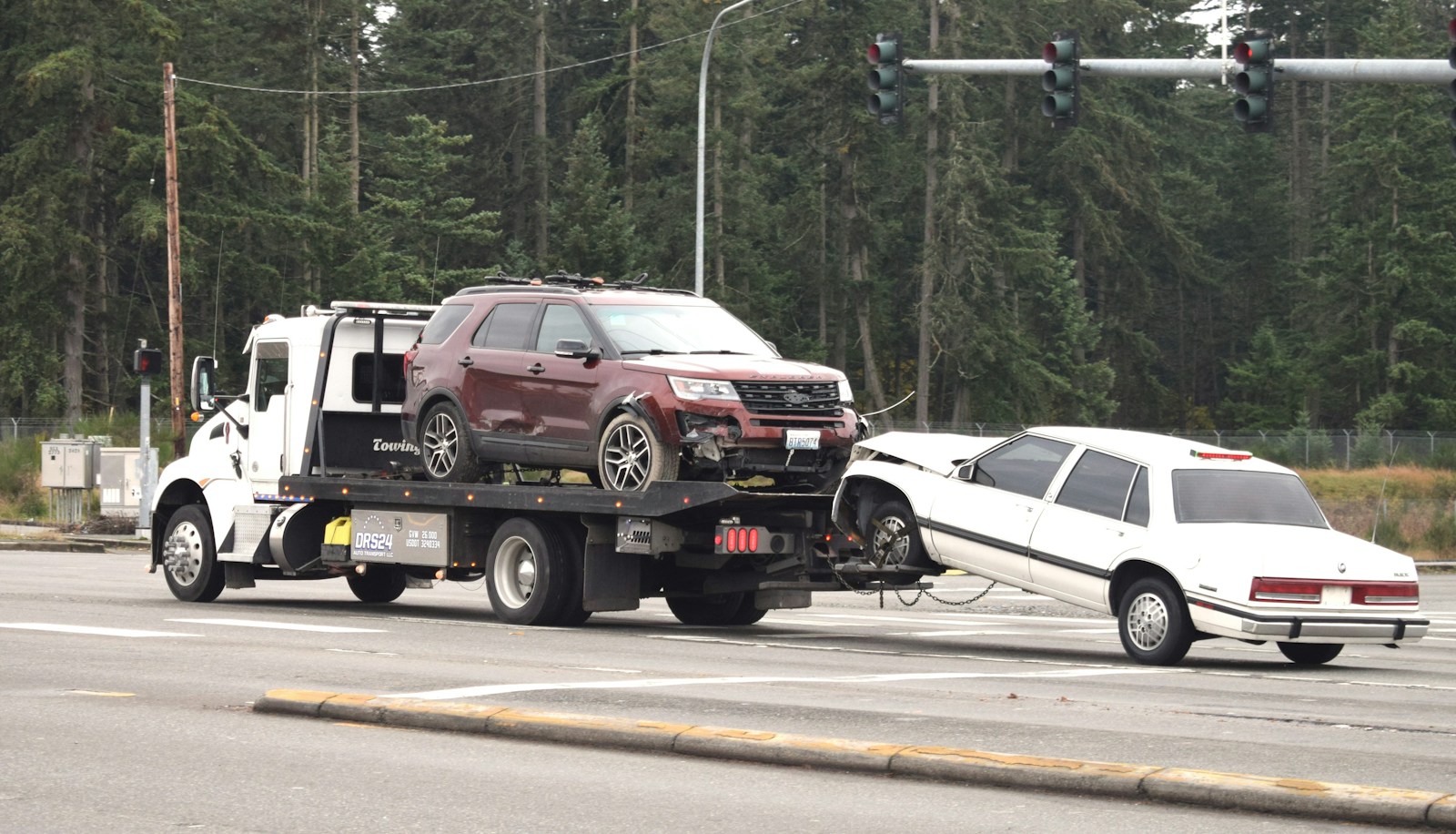

A driver whose car gets hooked up after a crash or from a parking lot rarely has any say in which company shows up, what equipment they use, or what they charge for the privilege. That’s the entire point of a non-consensual tow, and it’s exactly why states regulate it so differently. Texas caps a standard tow at $272. Colorado’s cap for the same weight class currently sits above $250 and adjusts every year. Ohio, by contrast, sets no statewide dollar figure at all and leaves the actual number up to whichever city or county the tow happened in. None of that shows up on a sign at the tow yard.
Why Non-Consensual Tows Get Special Rules
A tow a driver arranges themselves, calling a company after a breakdown, is a normal market transaction where the customer can shop around. A non-consensual tow, whether it’s a car pulled from private property, impounded after an accident, or removed at a police officer’s direction, involves no such choice. That’s the regulatory rationale behind rate caps in states that have them: without a maximum price, a driver with no leverage and often no time to negotiate is at the mercy of whatever the operator on scene decides to charge.

Texas Publishes a Specific Number for Every Weight Class
Texas is among the more prescriptive states. The Texas Department of Licensing and Regulation’s consumer information page sets the maximum private-property tow charge at $272 for a vehicle up to 10,000 pounds, $380 for vehicles between 10,000 and 25,000 pounds, and $489 per unit for anything heavier, with a $978 total cap on the heaviest jobs. A “drop fee,” charged when a vehicle is hooked up but released before it actually leaves the lot, tops out at $135 for the lightest class. Daily storage is capped near $20 to $23 depending on vehicle length, and the state requires operators to hand over an itemized tow ticket along with written notice of the driver’s right to a hearing contesting the tow. That paperwork requirement matters as much as the dollar figure; a cap only protects a driver who knows it exists.
Colorado Recalculates Its Cap Every Year
Colorado takes a different, more dynamic approach through its Public Utilities Commission. As of rates effective March 2026, the base hookup fee for a private-property impound tops out at $250.91 for vehicles under 10,000 pounds GVWR, climbing to $439.15 for the heaviest trucks, according to the PUC’s published rate schedule. Storage runs $48.19 per 24-hour period for lighter vehicles and $59.45 for heavier ones. Colorado also builds in a consumer protection most states don’t bother with: a driver who shows up at a tow lot to reclaim a vehicle towed from residential private property can get it released for a deposit of just 15 percent of the total bill, not to exceed $60, while any dispute over the full amount gets sorted out later. The state additionally bars operators from charging a drop fee at all on residential tows and restricts when storage charges can even start accruing until the owner has been formally notified.
Some States Don’t Set a Statewide Number at All
Ohio illustrates the opposite end of the spectrum. Ohio Revised Code Section 4513.60 references rates set through the Public Utilities Commission of Ohio under a separate statute, but the removal fee itself is left to individual municipalities to establish, meaning there’s no single number a driver can look up before getting towed anywhere in the state, according to the Ohio statute itself. What Ohio does guarantee is procedural: an owner who arrives before the vehicle is actually hauled away can stop the tow by paying no more than half the removal fee, and anyone retrieving a towed vehicle must be given written notice of their right to file a civil action if they believe the tow was unlawful.
What the Patchwork Means for Drivers
Three states, three completely different systems: one with a fixed statewide dollar figure for every weight class, one with an annually adjusted cap plus a discounted deposit option for residential tows, and one that punts the actual number to local government while guaranteeing only the process around it. None of that variation is visible to a driver standing at a chain-link fence looking at a bill, and none of it is something most people think to research until after their car is already gone. The one universal fact worth remembering is that nearly every state, whatever its cap or lack of one, requires some form of written notice of a driver’s right to dispute the charge or the tow itself. Asking for that paperwork, and comparing whatever number appears on it against the state transportation or public utilities regulator’s published rate schedule, is the only real check a driver has before paying whatever amount the tow yard puts in front of them.