
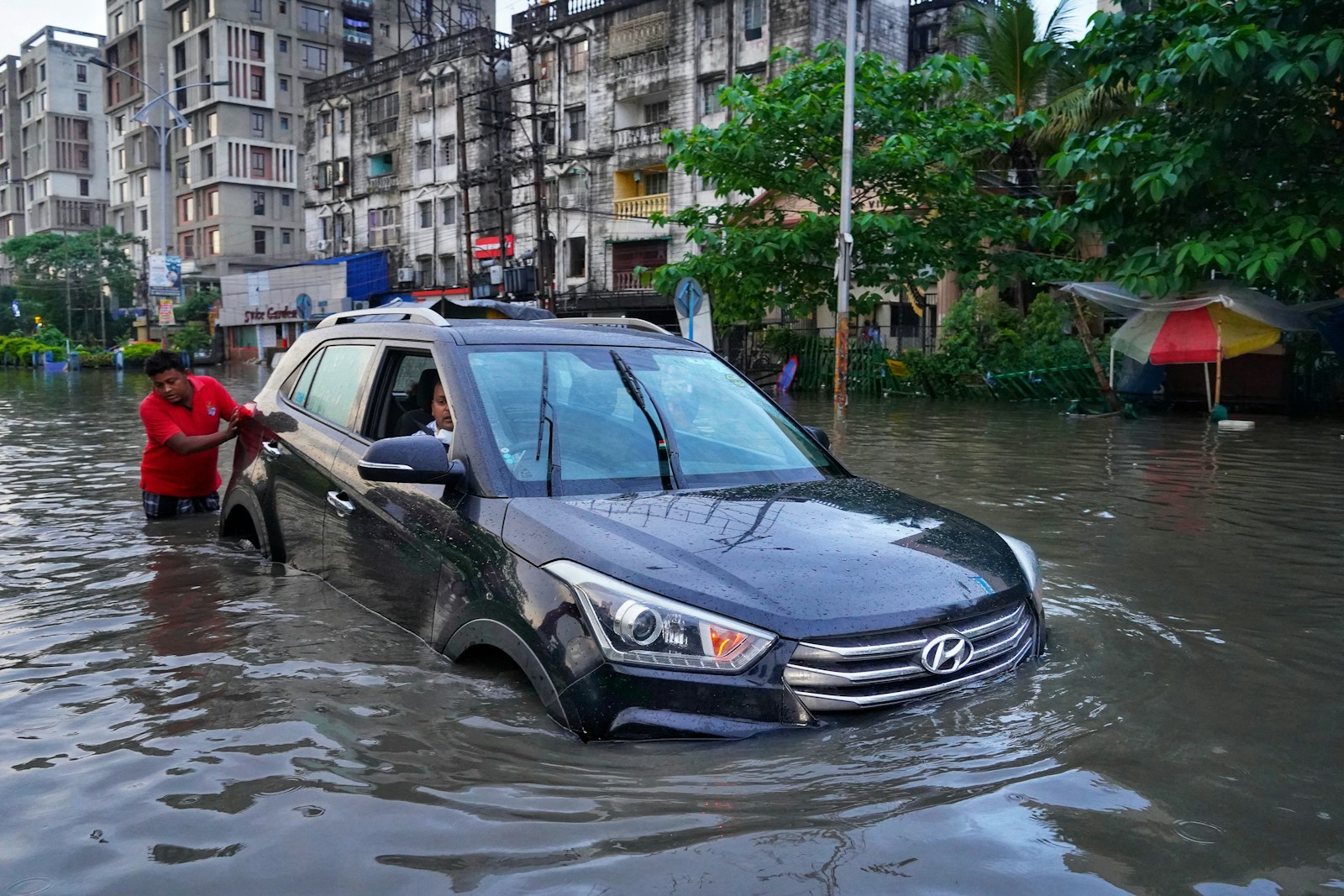

As many as 530,000 flood-damaged vehicles were still on American roads as of August 2025, according to CARFAX data cited in the National Insurance Crime Bureau’s own consumer warning on flood vehicles. Many of them are sitting on used lots hundreds of miles from where the water ever touched them, sold with paperwork that never mentions it happened. The mechanism that makes this possible is called title washing, and it exploits the simple fact that fifty states do not always talk to each other.
How a Flooded Car Gets a Clean Title
When an insurer declares a flood-damaged vehicle a total loss, the state is supposed to brand its title with a permanent flood designation, marking it in official records as unfit for normal resale without disclosure. Dishonest sellers get around that by transporting the vehicle to a different state, one with looser title-branding requirements or gaps in how it shares data, and applying for a new title there. According to NICB’s own warning, “dishonest sellers routinely conceal that history through superficial repairs and ‘title washing’ before reselling to unsuspecting buyers,” often without disclosing the vehicle traveled anywhere near a flood zone at all.
The repairs involved are typically cosmetic. Interiors get cleaned and reupholstered, corrosion gets sanded and painted over, and the car looks and smells presentable within weeks. What does not get fixed, and often cannot be fully fixed, is the corrosion working through wiring harnesses, electrical connectors, and safety systems like airbags and anti-lock brakes, damage that can take months or years to surface as a malfunction.
The Federal Database Built to Stop It
The National Motor Vehicle Title Information System exists specifically to close the gap title washers rely on. States are required to report titling information, including salvage and flood brands, into the federal database, and before issuing a new title to a vehicle arriving from out of state, the receiving state is supposed to run a check through NMVTIS that reveals the car’s full brand history no matter where it was originally titled. Because the check pulls from a shared national record rather than the new state’s own files alone, a flood brand assigned in Louisiana is supposed to follow the car to Ohio or anywhere else it turns up.
The system is not airtight. Reporting delays, inconsistent state participation in the years after it was built, and vehicles sold through informal channels before ever reaching a dealer lot all create windows where a brand can lag behind the car itself, which is exactly the gap large-scale title washing operations have historically exploited.
How Buyers Can Check Before They Buy
Any buyer can run a vehicle’s VIN through NMVTIS directly through the federal government’s consumer portal, which pulls brand history, salvage status, and total-loss records regardless of which state currently holds the title. The National Insurance Crime Bureau also runs a free VINCheck tool that flags vehicles reported as flood-damaged or stolen, giving buyers a second independent source to cross-reference against.
Beyond the paperwork, physical inspection catches what a clean title sometimes hides. A musty odor masked by heavy air freshener, water lines or silt residue inside the trunk or under seats, mismatched carpet or upholstery that looks newer than the rest of the interior, and corrosion on screws or brackets in places rain would never normally reach are all signs worth walking away over, even when the title itself says nothing happened.
What Recourse Looks Like After the Fact
A buyer who discovers a flood history after purchase can report it to NICB, their state attorney general’s consumer protection office, and the state DMV where the vehicle is currently titled, since a confirmed flood brand that was concealed can sometimes be reapplied retroactively and may support a fraud claim against the seller.
Large hurricanes and regional flooding events tend to create surges in how many total-loss vehicles enter the resale pipeline at once, which is part of why NICB issues its consumer warning around peak flood season each year rather than treating this as a rare, isolated risk. A used car bought a full year after a major storm can still be one of the vehicles that storm damaged.
Title washing works because a piece of paper can travel faster and quieter than the truth it is supposed to record, and the only defense a buyer really has is refusing to let the title alone settle the question.