

Buyer’s remorse in the car world rarely shows up on day one. It creeps in months or years later, usually right after a warranty expires or a dashboard light starts blinking for the third time that month. Some cars earn their bad reputations fair and square, through recalls, lawsuits, and repair bills that make owners question every life decision that led them to the dealership.
We combed through owner complaints, reliability data, and recall records to find the vehicles that generate the most regret. A few of these are beloved on paper and miserable in practice. Here are seven cars that owners, in hindsight, wish they had walked right past.
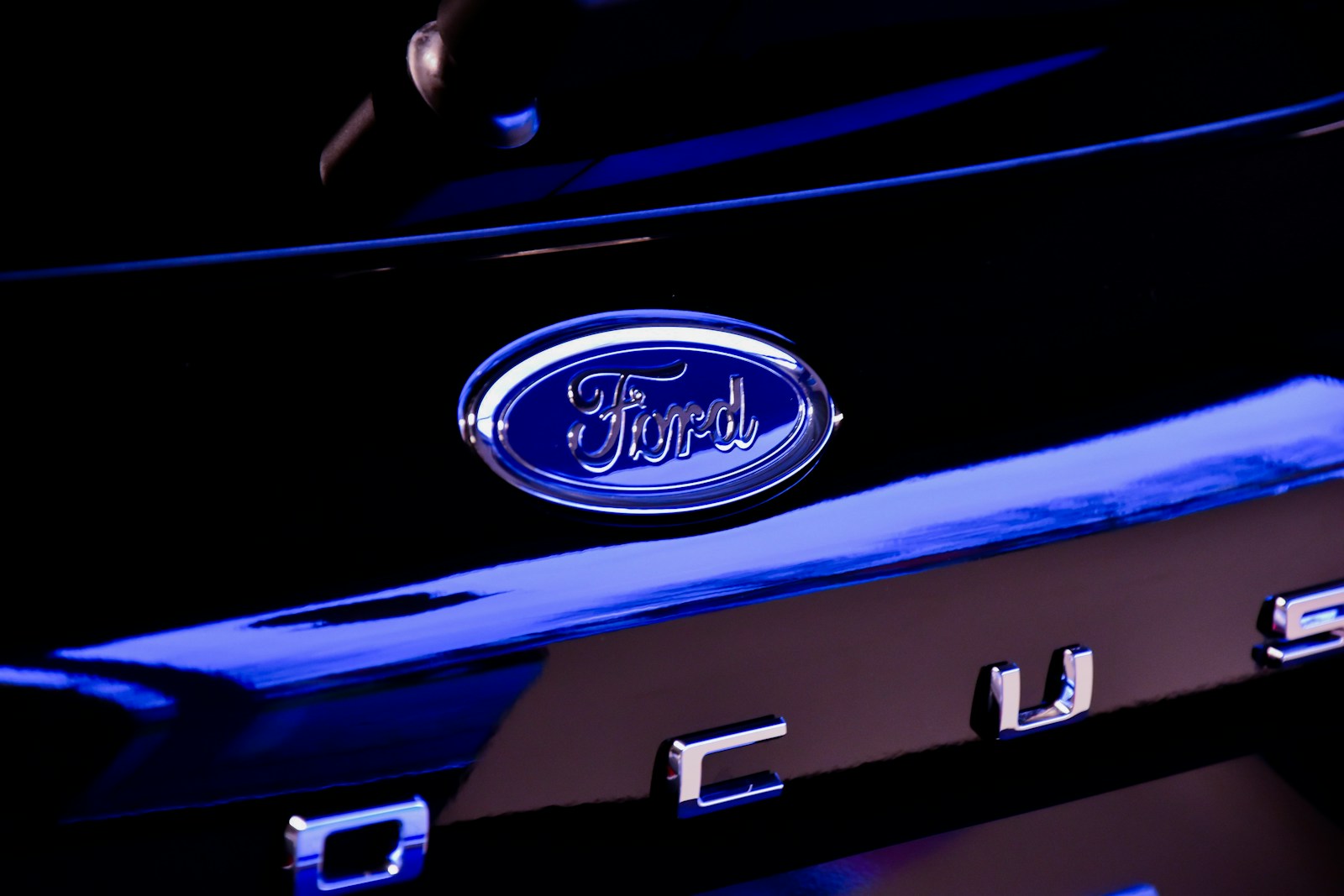
Ford Focus (2012-2016)
The Focus should have been a slam-dunk commuter car: cheap, efficient, and reasonably fun to drive. Instead, Ford saddled it with the PowerShift dual-clutch automatic transmission, a gearbox that shuddered, hesitated, and occasionally refused to shift at all. The complaints piled up fast enough that Ford ended up settling a class action lawsuit over transmission problems in the Focus and Fiesta, covering repair costs and buyback claims for owners who’d had enough. Even Ford’s own dealers reportedly dreaded seeing these cars come in for service, since the fix rarely stuck for long. Resale values took a beating as word spread, and secondhand shoppers now approach any Focus from this era with justified suspicion, transmission history in hand before they’ll even sit in the driver’s seat.
Nissan Altima and Other CVT-Equipped Nissans
Nissan leaned hard into continuously variable transmissions across its lineup, and for a long stretch of the 2010s that decision haunted owners of the Altima, Sentra, and Rogue. Shuddering at low speeds, overheating on long drives, and outright failure well before 100,000 miles became common enough complaints that Nissan agreed to extend CVT warranty coverage for affected model years after owners and regulators took notice. The frustrating part is that a CVT replacement isn’t a cheap fix, often rivaling the cost of a used engine, and a car with a shaky transmission reputation is a hard sell down the line. Plenty of owners loved the fuel economy and ride comfort right up until the transmission reminded them why they should have test-driven a Honda instead.
Jeep Grand Cherokee
The Grand Cherokee looks the part of a rugged, go-anywhere SUV, and off-road capability was never really the problem. Electrical gremlins were. Owners have long reported dead infotainment screens, mysterious warning lights, and finicky push-button shifters, issues serious enough that the model has consistently landed toward the bottom of Consumer Reports reliability ratings for midsize SUVs. It’s the kind of vehicle that feels fantastic on the showroom floor and then nickel-and-dimes owners with small, aggravating faults for years afterward. Add in fuel economy that undercuts anything you’d call efficient, and a lot of owners quietly wonder whether they should have spent their money on a Toyota 4Runner and accepted the blockier styling instead.
Land Rover Range Rover and Discovery
Nothing quite splits opinion like a Land Rover. The interiors are gorgeous, the off-road chops are legitimate, and the depreciation curve is brutal for a reason. Land Rover has repeatedly finished near the very bottom of J.D. Power’s vehicle dependability rankings, with owners reporting electrical faults, air suspension failures, and infotainment glitches that dealers struggle to diagnose on the first visit. Independent repair shops often won’t touch these vehicles, which pushes owners back to the dealership at premium labor rates every time. It’s a badge that photographs beautifully in a driveway and drains bank accounts just as beautifully once the factory warranty runs out.
Chrysler 200
The Chrysler 200 wasn’t a terrible car to drive, which somehow makes its reputation worse, because it should have done better than it did. A cramped back seat, a nine-speed automatic that never quite felt sorted, and styling that aged fast all contributed to depreciation numbers that make owners wince at trade-in time, a pattern Kelley Blue Book’s own valuation history lays out plainly. Chrysler discontinued the model entirely in 2017, which only accelerated the value drop as buyers grew wary of an orphaned nameplate with no manufacturer support behind it. Owners who financed a 200 near its original sticker price often found themselves upside down on the loan well before it was paid off, a rough lesson in what happens when a car looks competitive on paper but underdelivers everywhere that matters.
Volkswagen TDI Diesel Models
Few automotive scandals hit owners as directly as Dieselgate. Volkswagen admitted to installing software that cheated emissions tests on hundreds of thousands of diesel vehicles, prompting the EPA to order recalls and mitigation programs across the affected TDI lineup. Owners who’d bought these cars specifically for their diesel efficiency and low emissions reputation suddenly found themselves driving vehicles at the center of a federal investigation, facing mandatory software fixes that some reported dulled performance and fuel economy afterward. Even with buyback programs and settlements easing the financial sting for many, the reputational damage lingered, and used TDI values never fully recovered the trust they once carried with efficiency-minded buyers.
Fiat 500
The Fiat 500 charmed plenty of first-time buyers with retro styling and a price tag that made it look like a bargain. The charm faded fast for owners dealing with electrical faults, transmission hiccups, and interior trim that seemed to rattle loose within the first year or two. Consumer Reports has repeatedly flagged the 500 lineup, including calling out the 500L among its list of disappointing vehicles, and resale values reflect just how little confidence the used market has in these cars holding up. Parts availability isn’t great either, since Fiat’s dealer network in the U.S. never grew large, leaving owners waiting longer and paying more for repairs than they’d bargained for when the styling first caught their eye.