

There’s a specific kind of buyer’s remorse that doesn’t show up until year four or five, right around the time the factory warranty quietly expires and the first “check engine” light flickers on. Suddenly the dealership loaner is gone, the free maintenance visits are a memory, and every trip to the service counter comes with a bill that makes you double-check you’re reading it correctly. It’s not that these vehicles are poorly built in an obvious way — most of them drive beautifully and feel like a bargain on the day you sign the paperwork.
The catch is what’s underneath: turbocharged engines with tight tolerances, air suspension systems borrowed from cars costing twice as much, and electronics networks that were never designed with a ten-year ownership cycle in mind. According to RepairPal’s brand reliability data, the vehicles that top the list for average annual repair costs are overwhelmingly European luxury models — and the gap between the cheapest and most expensive brands to maintain is enormous. Here are ten vehicles where the real cost of ownership starts the day the warranty ends.
Land Rover Range Rover
The Range Rover is one of the most convincing luxury vehicles on sale, right up until the air suspension needs a compressor or one of its air springs starts leaking. Land Rover as a brand has consistently landed near the bottom of Consumer Reports’ reliability rankings, and owners who keep their Range Rovers past the warranty period often describe a steady drumbeat of electrical gremlins, infotainment glitches, and suspension work. None of it is catastrophic on its own, but it adds up fast, and independent shops that specialize in Land Rover repair aren’t cheap because the parts and diagnostic tools aren’t cheap either. It’s a vehicle that rewards buyers who either lease it, trade it before year five, or budget accordingly for what comes after.
BMW 7 Series
BMW’s flagship sedan is engineered to make everything else feel slow and unrefined, and for the first few years under warranty, it’s one of the most satisfying cars money can buy. The trouble is that the 7 Series is loaded with the kind of tech — adaptive air suspension, massaging seats with a dozen motors, laser headlights, complex turbocharged and hybrid drivetrains — that becomes exponentially more expensive to fix once BMW isn’t footing the bill. Water pumps, valve cover gaskets, and electronic parking brake actuators are common repair points that independent owners report running into, and labor rates at BMW dealerships and specialists reflect the car’s complexity. Buying one used and out of warranty without a pre-purchase inspection and a healthy repair fund is a genuine gamble.
Cadillac Escalade
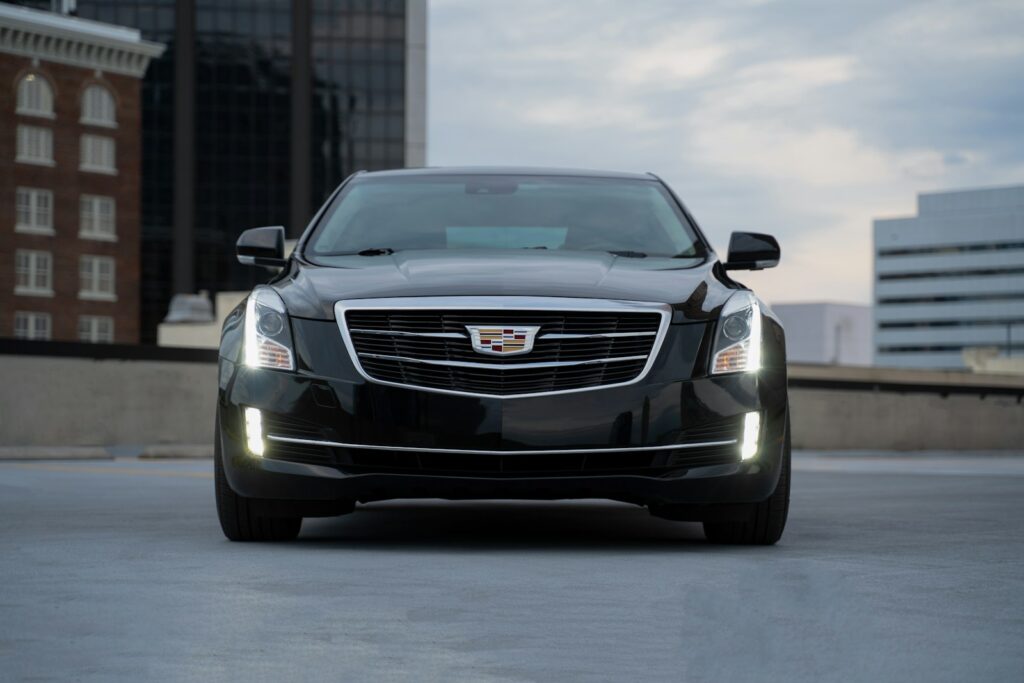
The Escalade trades on presence, and it delivers plenty of it, but General Motors packed the big SUV with features that are wonderful when new and painful when old. Magnetic Ride Control dampers, air suspension on higher trims, and a dense web of driver-assistance sensors all sit behind the Escalade’s imposing grille, and each one carries a repair bill well above what a mainstream full-size SUV would cost to fix. Once the bumper-to-bumper coverage lapses, owners often find that routine issues — a failing air strut, a infotainment screen glitch, a sensor throwing false alerts — cost multiples of what the same repair would run on a Chevrolet Tahoe built on the same platform. The badge and the options list are the appeal, but they’re also exactly what makes it expensive to keep healthy.
Mercedes-Benz S-Class
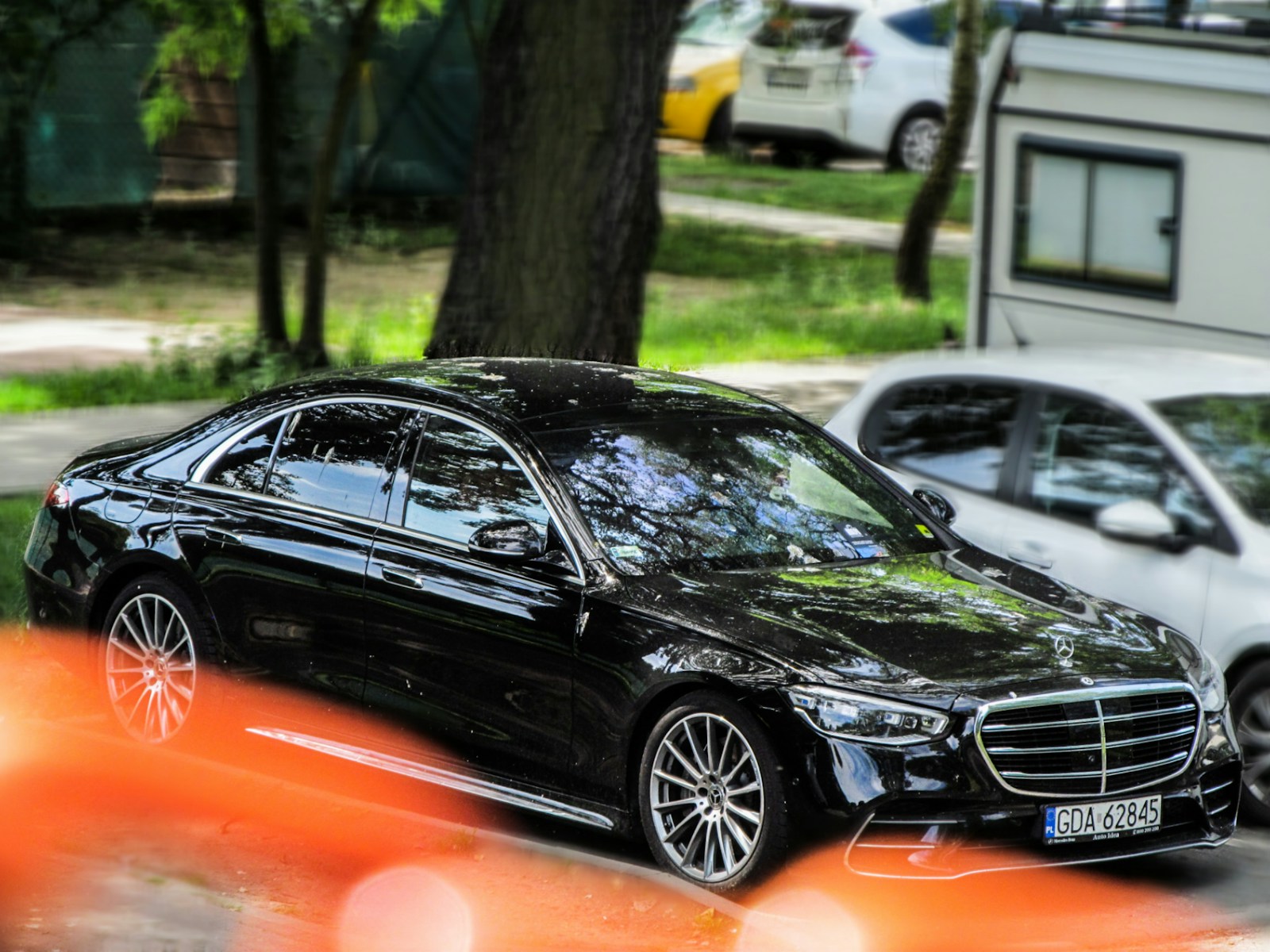
The S-Class has been the standard-bearer for automotive luxury for decades, and Mercedes uses it as a rolling showcase for whatever technology is coming to the rest of the lineup next. That’s fantastic for the first owner under warranty and considerably less fantastic for whoever owns it in year seven, when the air suspension, dual-clutch or multi-speed automatic, and layered electronics start needing attention simultaneously. Specialist mechanics who work on S-Class models routinely describe air suspension compressors and control modules as five-figure headaches when multiple systems fail close together. It’s a car built to be replaced or leased, not necessarily to be run into the ground by a second or third owner without deep pockets.
Jaguar XJ
Jaguar’s flagship sedan is achingly good-looking and genuinely pleasant to drive, but the brand has struggled for years with the kind of reliability reputation that shows up clearly in independent surveys. Aluminum body construction means collision repairs require specialized equipment most body shops don’t have, and the air suspension and electrical architecture share the same complexity — and same failure points — as competitors from Land Rover, Jaguar’s corporate sibling. Owners who hang onto an XJ past the warranty window often end up relying on a small number of independent British-car specialists, since not every mechanic wants to touch one. Parts availability and labor time both push repair costs well above what the car’s used-market price might suggest is reasonable.
Maserati Ghibli
The Ghibli offers an Italian exotic-adjacent experience for a fraction of what a Ferrari costs, which is exactly why it depreciates so hard — and exactly why so many end up in the hands of buyers who can afford the purchase price but not the upkeep. Underneath the sculpted sheet metal sits a Ferrari-built engine, and that heritage means parts and specialized service aren’t priced like a mainstream sedan’s. Once the factory warranty ends, owners report that even routine maintenance items cost meaningfully more than equivalent work on a German luxury sedan, and anything involving the electronics or drivetrain can escalate quickly. It’s a car that’s genuinely fun to own for the first few years and a financial trap for anyone who keeps it much longer without planning for it.
Audi Q7
The Q7 is a genuinely excellent family SUV with a cabin that punches well above its price class, but Audi’s turbocharged and supercharged engines, air suspension options, and quattro all-wheel-drive systems are all more intricate — and more costly to service — than what you’ll find in a comparable Japanese or American SUV. Timing chain tensioner issues on certain engine variants and carbon buildup on direct-injection engines are the kind of problems that owners frequently mention needing addressed once the car ages out of coverage. Audi dealership labor rates are also on the higher end of the market, which compounds every repair. A well-maintained Q7 can last a long time, but the maintenance itself is where the real cost of ownership hides.
Chrysler 300 with the Hemi
The 300 built its reputation on being a big, comfortable American sedan with a genuinely potent V8 available for a relatively accessible price, and that value proposition holds up well under warranty. The catch shows up later: the Hemi’s cylinder deactivation system and the car’s aging eight-speed automatic transmission have both been points that owners describe running into trouble with as mileage climbs, and Chrysler’s dealer network has thinned out in many markets, pushing owners toward independent shops that may charge a premium for V8-specific expertise. It’s not a car that nickel-and-dimes owners with tiny issues so much as one that occasionally serves up a single large repair bill that erases years of perceived savings.
Volvo XC90
Volvo has built a genuinely strong reputation for safety and a much shakier one for long-term reliability, and the XC90 sits right at that intersection. Turbocharged and supercharged four-cylinder engines working hard to move a heavy three-row SUV, air suspension on higher trims, and a dense suite of driver-assistance electronics all combine to make out-of-warranty repairs on the XC90 considerably pricier than on a similarly sized Toyota Highlander or Honda Pilot. Owners who’ve kept theirs past year six often describe recurring electrical gremlins as the most frustrating part of ownership — rarely dangerous, but persistent and expensive to chase down. It’s a wonderful vehicle to lease and a riskier one to own indefinitely.
Nissan Armada
The Armada delivers real body-on-frame, V8-powered, three-row capability at a price that undercuts the Toyota Sequoia and Chevrolet Tahoe, and that value is genuine while the warranty lasts. Where things get expensive is in the Armada’s aging platform and drivetrain components, which owners report needing more frequent attention as the miles climb, along with the kind of infotainment and electrical quirks that Nissan’s lineup has become known for in independent reliability surveys. Because the Armada shares less parts commonality with high-volume Nissan passenger cars, some repairs end up pricier and slower to source than buyers expect from a mainstream brand. It’s a capable truck-based SUV, but one where the savings at purchase can get eaten up later by unglamorous repair bills.