
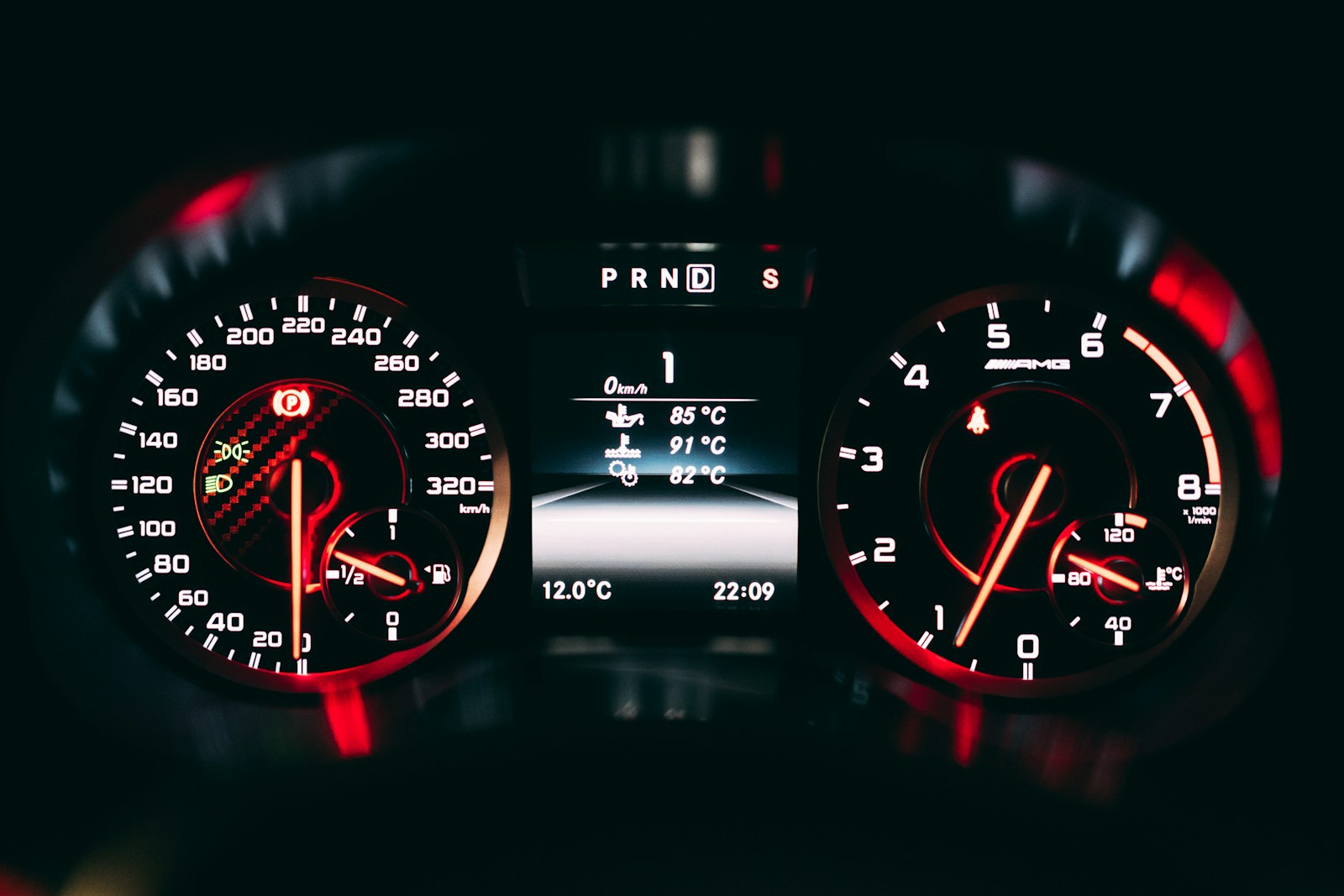

Modern dashboards are quieter than they used to be, which is exactly the problem. Where older cars announced trouble with a smell or a shudder you couldn’t miss, today’s vehicles often flag it first with a small icon that’s easy to glance past on the way to work. A Kelley Blue Book survey found roughly a quarter of drivers admit to ignoring their check engine light entirely, and that’s just the most famous warning on the panel.
Every light on that dashboard was put there because an engineer decided drivers needed to know something, right now, about the car’s condition. Some are minor. Some are the difference between a routine service appointment and a roadside breakdown. Here are twelve warnings drivers consistently wish, after the fact, they’d taken seriously the first time they saw them.
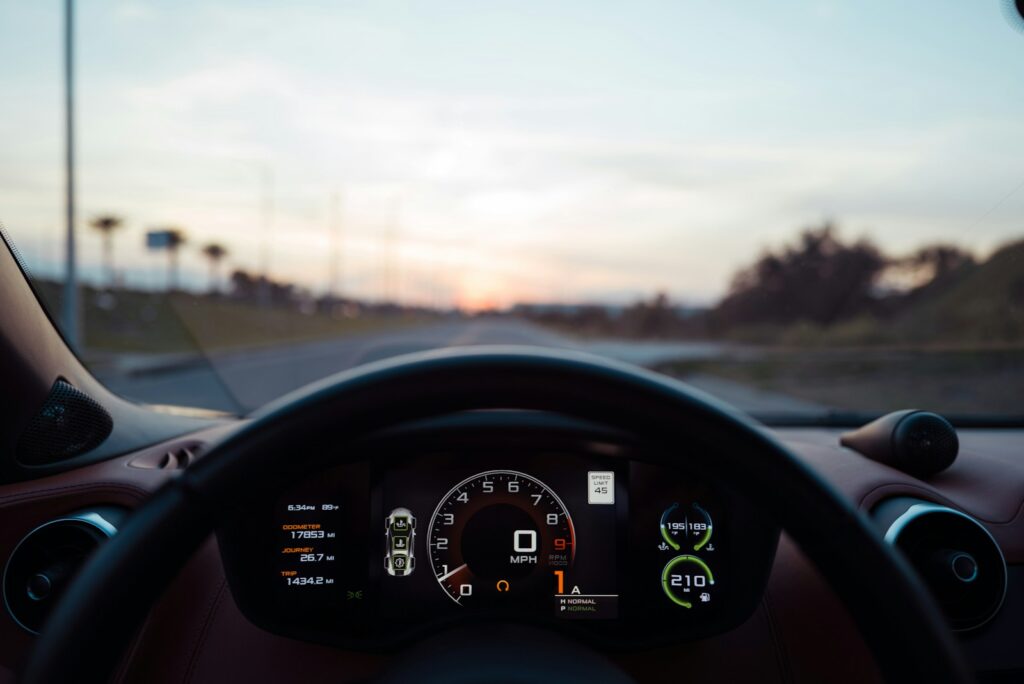
Check Engine Light
The check engine light is the dashboard’s generalist warning, covering everything from a loose gas cap to a failing emissions component to a misfiring cylinder, which is exactly why it gets dismissed so often — drivers assume it’s probably nothing. One widely cited survey found about a quarter of drivers ignore the light, often for weeks or months at a time. The trouble is that a car’s computer isn’t crying wolf; it triggers the light because a sensor has detected something outside normal parameters. A flashing check engine light, specifically, indicates an active misfire that’s dumping unburned fuel into the catalytic converter, which can destroy a converter that costs far more than the diagnostic scan that would have caught it early. A steady light is less urgent but not optional — it deserves a code read within days, not a mental note for someday.
Oil Pressure Warning
The oil pressure light is one of the few dashboard warnings that calls for pulling over immediately, not just scheduling a shop visit. It doesn’t mean the oil is dirty or slightly low — it means the engine may not be receiving adequate lubrication right now, which risks bearing and cylinder damage within minutes of continued driving. Drivers sometimes confuse this with the oil change reminder light, a maintenance interval prompt with far lower stakes, and that confusion is exactly how an oil pressure warning gets shrugged off. The two lights usually look different and are labeled differently in the owner’s manual, which is worth the five minutes it takes to learn before you’re staring at one on the highway. An engine that seizes from oil starvation isn’t a repair; it’s a replacement, and there is no version of ignoring this light that ends well.
Battery or Charging System Light
Shaped like a battery, this warning means the electrical system isn’t charging properly, whether from a failing alternator, a bad serpentine belt, or a battery no longer holding a charge. Drivers often ignore it because the car keeps running for a while — the battery has reserve capacity, so the symptoms lag behind the failure. But that reserve depletes on a timeline, and it typically ends with the car stalling as electrical systems that keep the engine running lose power entirely, often on a highway rather than in a driveway. Continuing to drive on a failing charging system can also damage the battery itself through repeated deep discharge, turning what might have been a single alternator repair into a two-part repair bill.
Brake Warning Light
A brake warning light can mean something as simple as the parking brake being engaged, or something as serious as low brake fluid from a leak in the hydraulic system. The ambiguity is part of why it’s risky to dismiss without checking, since a genuine hydraulic fault can mean reduced braking power exactly when it’s needed most. Low brake fluid is rarely a case of gradual evaporation; brake fluid loss almost always means a leak somewhere in the lines, calipers, or master cylinder, and that leak won’t seal itself. Drivers who top off fluid and move on without finding the source are treating a symptom while the underlying leak continues, risking a sudden loss of braking assistance at the worst possible moment.
Tire Pressure Warning
The TPMS light exists because underinflated tires wear unevenly, reduce fuel economy, and increase the risk of a blowout, particularly at highway speeds in hot weather. Drivers often dismiss it as a seasonal quirk, since tire pressure does drop with cold temperatures, but assuming that’s always the explanation means occasionally missing an actual slow leak from a nail or a corroded valve stem. A tire that’s losing air gradually will eventually fail without much additional warning, and doing so at speed is one of the more dangerous ways a routine maintenance issue can turn into a real accident. Checking actual pressure with a gauge, rather than assuming the light is wrong, takes less time than most errands drivers run in a week.
Coolant Temperature Warning
A temperature warning means the engine is running hotter than it should, and continuing to drive on it is a bet that the next few miles won’t be the ones that warp a cylinder head or blow a head gasket. Unlike some dashboard lights, this one has a narrow safe window — a few minutes of overheating can cause damage that changes the entire financial calculus of keeping the car. Drivers sometimes push on toward a destination rather than pulling over, reasoning they’re almost there, but almost there is precisely how a fixable coolant leak becomes a catastrophic engine failure. The correct response is to pull over as soon as safely possible and let the engine cool rather than testing how much heat it can tolerate.
ABS Warning Light
An ABS light means the anti-lock braking system has a fault and won’t engage if you need it — the regular brakes still work, which is exactly why this one gets ignored more than it should. Losing ABS doesn’t affect everyday stopping, so the car feels normal, right up until a driver needs to brake hard on a wet or icy road and the wheels lock instead of pulsing. That’s the entire point of the system, and it’s invisible until the one moment it matters. ABS faults are often caused by a failing wheel speed sensor, a relatively inexpensive repair, which makes the light one of the more affordable ones to address and one of the more consequential ones to skip.
Airbag or SRS Warning Light
An illuminated airbag light means the supplemental restraint system has detected a fault and may not deploy correctly, or at all, in a collision. It’s a light with zero everyday symptoms — the car drives exactly the same whether the airbags are ready to work or not — which makes it uniquely easy to forget about entirely. Causes range from a loose seat wiring connector, common after aftermarket seat covers or child seat installations, to a genuinely failed sensor module. Given that the entire function of the system is to activate in the one moment a driver has no time to react, this is a light worth diagnosing promptly rather than letting sit through a few oil changes.
Power Steering Warning
Increasingly common on vehicles with electric power steering, this warning indicates the assist motor or its control module has detected a problem. Losing power assist doesn’t mean losing steering entirely, but it means dramatically higher steering effort, which can catch a driver off guard during a low-speed maneuver like parking or a sudden lane change. Drivers sometimes mistake the heavier steering feel for a fluke rather than a system fault, especially if the assist cuts in and out intermittently before failing more completely. Because the failure can be gradual, it’s tempting to adjust to the extra effort rather than have it looked at, but an intermittent fault reliably becomes a permanent one.
Transmission Temperature Warning
Less universally known than the coolant warning, a transmission temperature light indicates the fluid inside the transmission is running hotter than its design tolerance, often from towing, stop-and-go traffic in extreme heat, or a failing cooler. Overheated transmission fluid breaks down chemically, losing the properties that protect internal clutches and gears from friction damage. Because transmission fluid is a sealed, less frequently checked system compared to engine oil, drivers are more likely to be unaware anything is wrong until the damage from repeated overheating has already accumulated. Reducing load, letting the vehicle cool, and having the cooling system inspected after repeated warnings can be the difference between a fluid service and a transmission rebuild.
Traction or Stability Control Warning
When this light comes on outside of slippery conditions, it usually means a wheel speed sensor or steering angle sensor has failed, disabling a system designed to intervene automatically when a vehicle starts to skid or lose grip. Like the ABS light, this is a fault with no everyday symptom, since most trips never approach the limits where stability control activates. That absence of symptoms is exactly the danger — the system is silently unavailable during the rare moment, often bad weather or an emergency swerve, when it would otherwise have prevented a loss of control. Given how much stability control has contributed to reducing single-vehicle crashes since its introduction, a fault here deserves prompt attention rather than a wait-and-see approach.
Low Fuel Warning
It seems too obvious to matter, but the low fuel light is responsible for a steady stream of avoidable roadside breakdowns, particularly because modern fuel pumps are cooled and lubricated by the fuel surrounding them. Habitually running a tank down to fumes accelerates fuel pump wear, since the pump runs hotter and drier as the fuel level drops, and pump failure tends to be sudden and total rather than gradual. There’s also the simple risk of running out entirely at an inconvenient time or location. Treating the low fuel light as a hard deadline rather than a loose suggestion protects both the fuel system’s longevity and the driver from an entirely preventable inconvenience.