
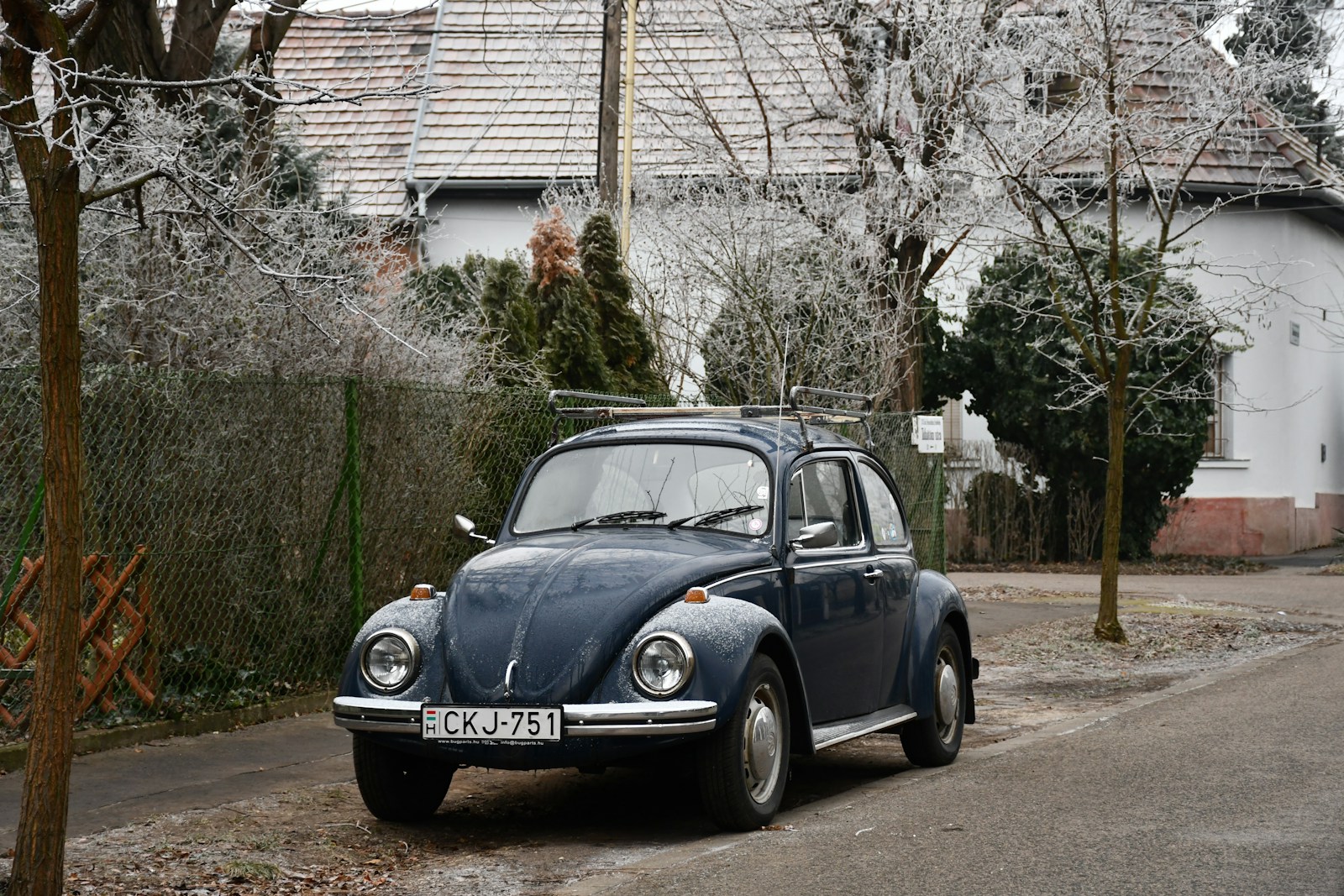

There’s a particular kind of car that used to be everywhere — in every office parking lot, every high school student lot, every rental fleet at every airport — and then, gradually and without much ceremony, simply stopped showing up. No single event marks the disappearance. Rust claimed some, high mileage claimed others, and a steady stream went to scrapyards once repair costs stopped making sense on a car worth very little.
What’s strange, looking back, is how invisible these cars were in their prime precisely because they were so common. Nobody photographed them; nobody kept them pristine in a garage. Here are eleven that used to define ordinary American roads and have become genuinely uncommon sights today.
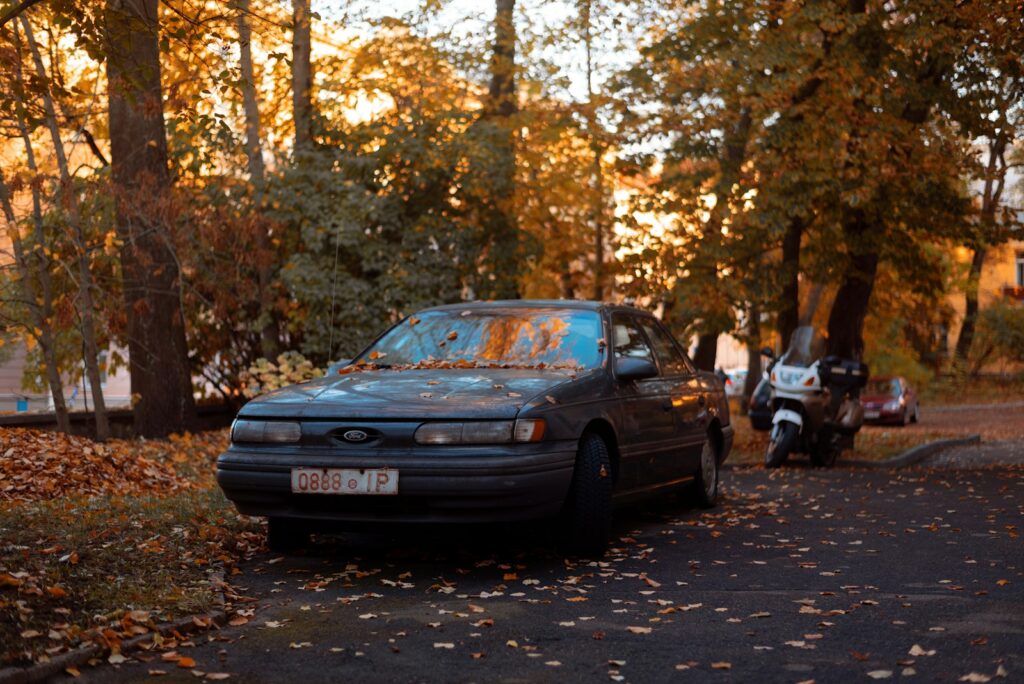
Ford Taurus (First and Second Generation)
The original Taurus was a legitimate sales phenomenon, reshaping what a mainstream American sedan could look like and becoming one of the best-selling cars in the country through the late ’80s and early ’90s. Millions were built, sold to families, fleets, and rental companies in roughly equal measure. Because so many lived hard lives as fleet and rental vehicles, they were driven high mileages and retired early, and the sheer ordinariness of the car meant almost nobody bothered preserving one. Clean early Taurus examples are now a genuinely rare sight, a strange fate for a car that once seemed to be parked on every block.
Pontiac Grand Am
The Grand Am was a fixture of American roads through the ’90s and 2000s, a default choice for buyers wanting something sportier-looking than a basic sedan without stepping up to a genuinely performance-oriented car. It sold in enormous numbers. Pontiac’s discontinuation as a brand in 2010 removed any ongoing parts support tied to active production, and the Grand Am’s cladding-heavy plastic body panels aged poorly, leading many owners to simply move on rather than maintain aging examples. The badge that once felt inescapable has become a genuine rarity.
Chevrolet Cavalier
As one of the best-selling compact cars in America for years, the Cavalier was the default first car, rental car, and budget commuter for an entire generation. Built to a price point, they were rarely maintained beyond what was strictly necessary and were often driven until something failed catastrophically enough to end their service life. Combined with the model’s eventual discontinuation, the Cavalier has largely vanished from daily traffic, surviving mostly in the memories of people who learned to drive in one.
Saturn Models (Original S-Series and Successors)
Saturn built a genuinely devoted following in the ’90s around its no-haggle sales approach and dent-resistant polymer body panels, and the brand’s cars were a common sight through that decade and into the 2000s. General Motors’ decision to shutter Saturn entirely during its 2009 restructuring meant the brand’s cars stopped receiving factory-backed parts and service support relatively quickly. Combined with typical attrition, Saturn’s once-common models have become a rare sight, and the brand’s discontinuation gives remaining examples a finality that owners of other defunct nameplates will recognize.
Dodge Neon
The Neon was inescapable in the ’90s and early 2000s, marketed with genuine enthusiasm as a fun, affordable compact and sold to a huge range of first-time and budget-conscious buyers. Its reputation for head gasket issues and interior durability problems as it aged meant many were retired well before reaching genuinely high mileage, and the sheer number sold as economical, disposable transportation meant few owners felt motivated to preserve one. A car that once seemed to be on every corner is now a rare enough sight to draw a second look.
Mercury Sable and Mercury Lineup Broadly
Mercury’s entire lineup, the Sable especially, was a common sight through the ’90s and 2000s, often chosen by buyers wanting a slightly more upscale take on Ford’s mainstream models. Ford’s 2011 decision to discontinue the Mercury brand entirely ended any new-model presence and gradually thinned dealer support for existing owners. Combined with typical fleet and family-car attrition, the entire Mercury badge has become a genuine rarity on the road, one of the more complete disappearances of a once-common nameplate.
Plymouth Lineup Broadly
Plymouth vehicles, from the Voyager minivan to the Breeze sedan, were common sights through the ’90s before Chrysler discontinued the entire brand in 2001, folding its models into other divisions or ending them outright. That relatively early discontinuation date means Plymouth vehicles have had an especially long runway to disappear through ordinary attrition, and the brand’s badge is now an unusual enough sight that spotting one tends to draw genuine attention from anyone old enough to remember when it wasn’t.
Oldsmobile Cutlass and Broader Oldsmobile Lineup
Oldsmobile vehicles, and the Cutlass in various forms especially, were extraordinarily common on American roads for decades, at various points ranking among the best-selling nameplates in the country. General Motors phased out the entire Oldsmobile brand by 2004, cutting off new-model support and eventually thinning dealer parts networks for existing owners. Given how long ago the brand disappeared, surviving examples in daily use have become genuinely scarce, more commonly seen now at car shows than in ordinary traffic.
Ford Crown Victoria (Civilian Trim)
While the Crown Victoria’s police and taxi versions get remembered fondly, the civilian retail version was also an extremely common sight in driveways for years, particularly popular with buyers wanting a large, simple, body-on-frame sedan. Ford discontinued the model in 2011, and its traditional design, appealing largely to an older demographic, meant fewer younger owners were inclined to keep examples running once they aged past easy serviceability. The full-size sedan segment it represented has essentially disappeared from new car lineups entirely, taking much of its everyday visibility with it.
Chrysler PT Cruiser
The PT Cruiser was a genuine cultural moment when it launched, selling in huge numbers to buyers drawn to its retro styling, and for a few years it seemed to be everywhere. Its novelty faded faster than expected, styling trends moved on, and Chrysler discontinued the model in 2010. Because so many were bought on a trend rather than out of long-term brand loyalty, relatively few owners felt compelled to maintain aging examples once repair costs started competing with the car’s low resale value, and the once-ubiquitous silhouette has become a comparatively rare sight.
Volkswagen New Beetle (First Generation)
The relaunched Beetle was a massive sales success when it debuted in the late ’90s, becoming a common sight in a way its retro styling made instantly recognizable from a distance. Reliability concerns in certain model years and typical compact car attrition over two-plus decades have thinned the surviving population considerably, and the model’s later discontinuation without a direct successor means there’s no new-model visibility keeping the shape fresh in public memory. A car that once defined a very specific late-’90s cultural moment has become a comparatively uncommon sight on the road today.