
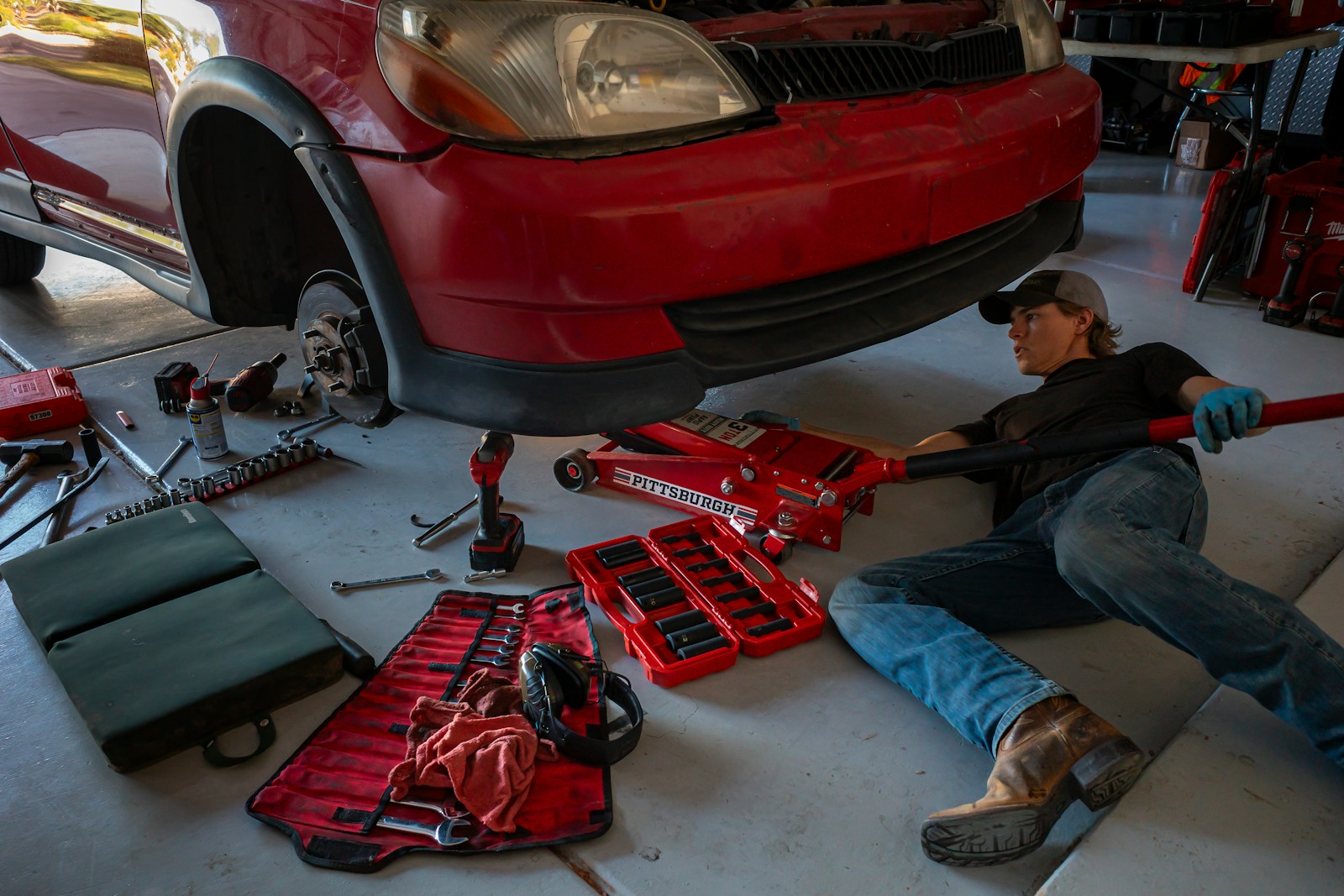

There’s a specific moment familiar to anyone who’s owned a car long enough: standing in a repair shop lobby, looking at an estimate, and doing quiet mental math comparing that number against what the car is actually worth on the open market. Sometimes the math still favors the repair. Sometimes it very clearly doesn’t, and the car that got you through years of commutes suddenly becomes a decision about whether it’s time to let go.
The nine repairs below are the ones that trigger that moment most often, not because they’re impossible to fix, but because the cost, relative to what a lot of these cars are worth once they’ve racked up real mileage, forces an honest conversation about diminishing returns.
A Full Transmission Replacement
Transmission work sits near the top of almost every list of the most expensive common repairs a car can need, and a full replacement, as opposed to a rebuild, can run into the thousands of dollars once labor and the unit itself are factored in, with the exact number varying widely by vehicle and region according to cost guides like the one J.D. Power publishes for consumers researching the repair. On an older car with modest resale value, that bill alone can approach or exceed what the vehicle would fetch on the used market, turning what should be a straightforward repair decision into a genuine question of whether to sink real money into a car that might only be worth marginally more once it’s fixed.
A Blown Head Gasket on an Interference Engine
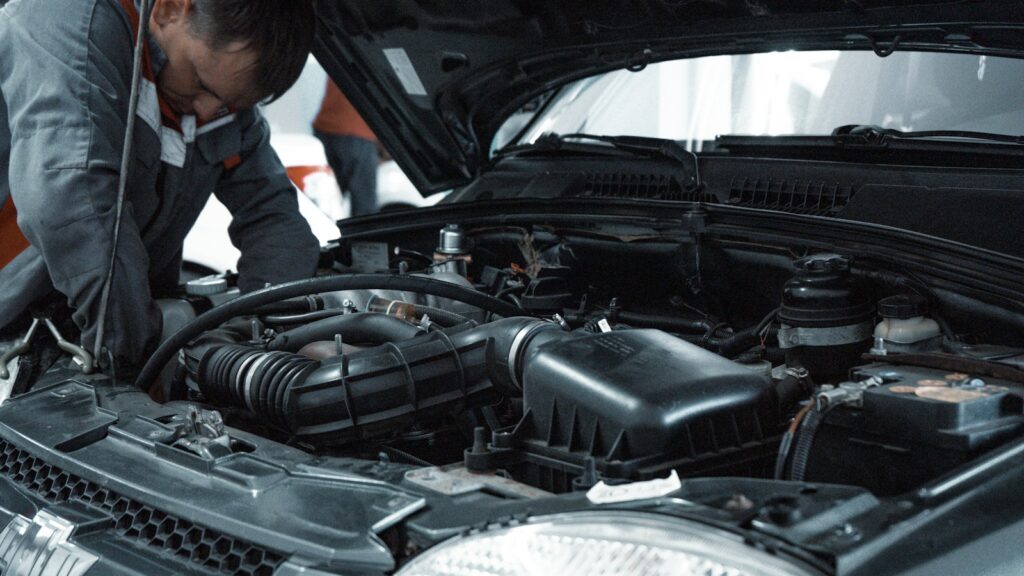
A head gasket failure is expensive enough on its own, requiring the engine’s top end to be disassembled, but on an interference engine, where the pistons and valves occupy the same physical space at different points in the rotation, a gasket failure that leads to overheating can bend valves or damage pistons, turning a serious repair into a full engine rebuild or replacement. The labor alone on this kind of job is substantial regardless of the parts involved, since much of the engine has to come apart to access the damage. Owners who discover their specific engine falls into this higher-risk category often find the total repair estimate difficult to justify against a car that was already showing its age in other ways.
A Failed Turbocharger With Related Engine Damage
A turbocharger that fails catastrophically, rather than simply losing boost pressure gradually, can send metal debris through the engine’s oil system, contaminating bearings and other internal components well beyond the turbo itself. What starts as a single-part repair can escalate into a much larger job once a mechanic actually opens things up and finds contamination or damage that wasn’t visible from the outside. This kind of surprise scope creep is exactly what pushes many turbocharged vehicles past the point where repair makes clear financial sense, particularly on cars already in the second half of their expected lifespan.
A CVT Replacement
Continuously variable transmissions are generally not designed to be rebuilt the way a conventional automatic can be, which means a serious CVT failure usually means a full unit replacement rather than a more modest repair of a rebuilt component. That all-or-nothing nature makes the repair bill land heavier than many owners expect, especially on a mainstream compact or midsize car where the vehicle’s overall market value doesn’t leave much room to absorb a major transmission expense. Owners facing this repair on an older CVT-equipped car frequently find the number sitting uncomfortably close to, or even above, what the car is worth with a healthy transmission already in it.
Full Engine Replacement
When an engine fails catastrophically enough that a rebuild doesn’t make sense, whether from a spun bearing, a cracked block, or simply age-related wear across multiple components at once, a full replacement engine along with the labor to install it represents one of the largest single repair bills a car can generate. On anything but a genuinely desirable or otherwise pristine vehicle, this bill routinely exceeds the car’s total market value, making it one of the clearest, least ambiguous moments where the math simply doesn’t favor keeping the car, however attached an owner might feel to it.
Air Suspension System Failure
Vehicles equipped with air suspension, common on many luxury SUVs and sedans, can develop leaks in the air springs themselves or failures in the compressor that keeps the system pressurized, and diagnosing exactly which component is at fault often takes real diagnostic time before a repair can even begin. Full air suspension repairs across multiple corners can add up to a substantial bill, and some owners choose to convert to conventional coil springs specifically to avoid facing this same repair again in a few years. On an aging luxury vehicle whose resale value has already dropped well below its original price, this repair is one of the more common ones that tips owners toward selling as-is rather than fixing it.
Timing Chain Replacement on a Deeply Packaged Engine
A timing chain job sounds like routine maintenance on paper, but on certain transverse-mounted engines where the chain sits at the back of the engine facing the firewall rather than the front, the labor required to reach it can mean pulling the engine partially or fully out of the car, turning what should be a moderate repair into one of the more labor-intensive jobs a shop can quote. The labor cost on these particular layouts routinely dwarfs the cost of the parts themselves. Owners who get a quote for this specific repair on this kind of engine layout are often genuinely shocked by the number, and it’s one of the more common repairs that ends with a car being sold for parts instead.
Frame or Subframe Rust Repair
In regions with heavy winter road salt use, frame and subframe rust can progress to the point where a vehicle fails inspection or becomes genuinely unsafe to drive, and structural rust repair, when it’s even possible rather than requiring outright replacement of the frame, is a specialized, labor-intensive job that few general repair shops are set up to handle well. Some manufacturers have faced legal and regulatory scrutiny over premature frame rust on specific truck and SUV models sold in salt-belt states, underscoring how significant a problem this can become on affected vehicles. Once rust reaches structural components rather than just cosmetic surface areas, the repair cost relative to the vehicle’s value very often settles the question of whether it’s worth fixing.
A Cracked Engine Block
A cracked block is one of the more definitive automotive death sentences, since the block itself is the foundational structure the rest of the engine is built around, and a crack, whether from severe overheating, a manufacturing defect, or age-related fatigue, generally can’t be reliably repaired in a way that matches new-block integrity for most everyday drivers. The practical fix is a full engine replacement, with all the labor and parts cost that involves, and on a car old enough or common enough that a cracked block has become a real risk, most owners find the replacement cost simply doesn’t clear the bar against the vehicle’s remaining value. It’s often the single repair that finally ends a car’s road life for good, closing out years of smaller repairs with one that the math just won’t support.