

Every industry has its cautionary tales, but the auto business seems to generate them with unusual regularity, maybe because cars sit at the intersection of engineering, marketing, and genuine physical risk in a way that few other consumer products do. When something goes wrong with a car, it tends to go wrong publicly, expensively, and with a paper trail that outlives the model itself.
Some of these stories are about bad engineering, some are about bad decisions made under pressure, and a few are about perfectly fine products that ran headlong into terrible timing. What they share is staying power — car people bring them up decades later not to pile on, but because each one changed how the industry, or the public, thought about safety, quality, or trust afterward. Here are eleven that are still part of the conversation.
The Ford Edsel Launch
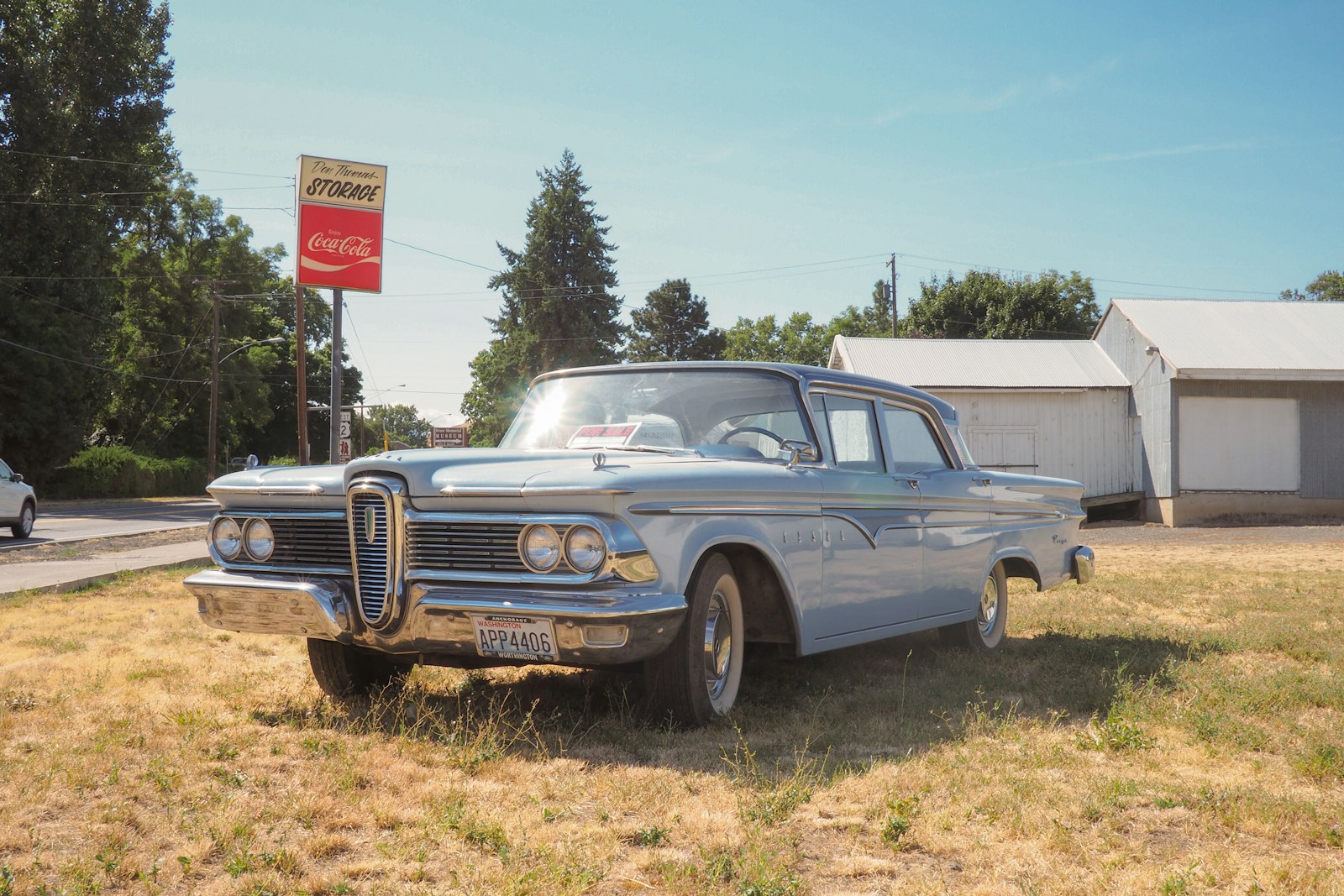
Ford poured enormous market research and marketing muscle into the Edsel brand, building anticipation for months before the cars ever reached dealer lots in the late 1950s. The styling, particularly the vertical “horse collar” grille, drew immediate and widespread ridicule, and a shaky national economy at launch made buyers even less willing to gamble on an unfamiliar new brand. Quality control problems on early production cars compounded the damage, giving early buyers real reasons to regret the purchase beyond just the looks. Ford pulled the plug on the brand entirely within just a few years, turning “Edsel” into a lasting shorthand for any expensive corporate flop, automotive or otherwise. It remains one of the most studied case histories in business schools precisely because the failure had so many independent causes stacked on top of each other.
The Audi 5000 “Unintended Acceleration” Panic
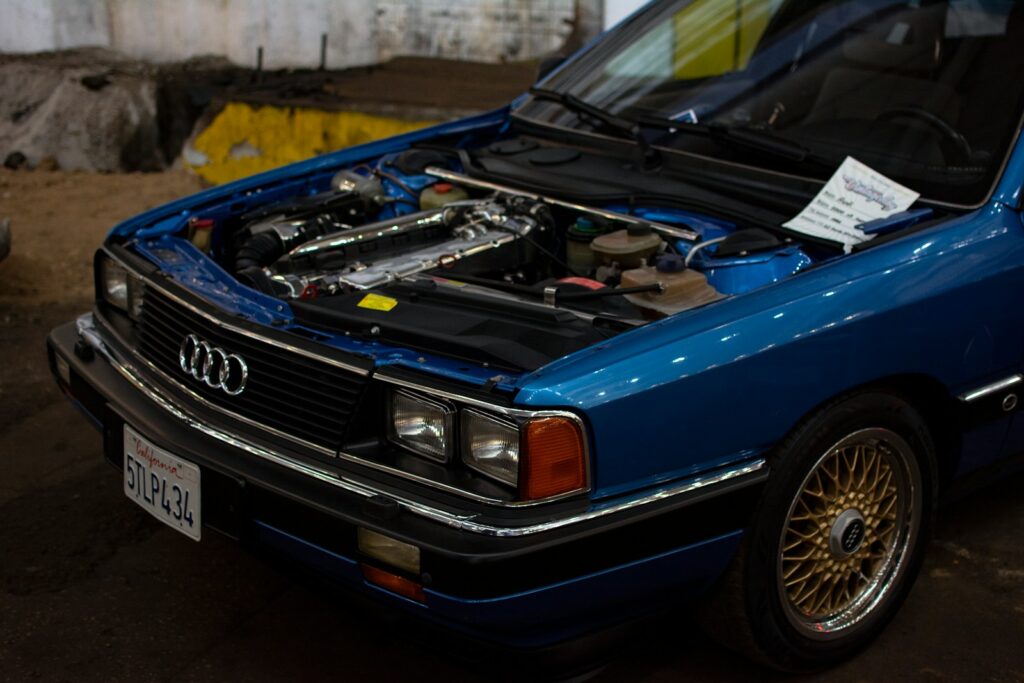
Audi’s flagship sedan became the center of a major U.S. media firestorm in the mid-1980s after a wave of owner complaints alleged the car would suddenly accelerate on its own, sometimes with serious consequences. A widely watched television news investigation amplified public fear well beyond what the eventual regulatory findings supported, and Audi’s American sales collapsed almost overnight. Subsequent investigation pointed toward pedal placement and driver error as significant contributing factors in many of the reported incidents, rather than a pure mechanical fault, though the damage to Audi’s reputation was already done by the time that context reached the public. The brand’s U.S. sales took years, arguably closer to a decade, to recover to anything like their pre-controversy levels. It’s frequently cited today as an early example of how a media narrative can move faster and further than the underlying engineering facts.
The Firestone/Ford Explorer Tire Failures
A wave of tread-separation failures on a specific line of Firestone tires, many fitted as original equipment on the Ford Explorer, led to a string of serious accidents and an eventual massive recall spanning millions of tires in the early 2000s. The fallout strained the century-long relationship between Ford and Firestone to the breaking point, with each company publicly pointing fingers at the other over tire pressure recommendations and vehicle design. Congressional hearings followed, along with new federal tire-safety legislation aimed at improving recall procedures and testing standards going forward. Both companies took lasting reputational damage, and the Explorer’s own image as a safe family vehicle took years to fully recover. It remains one of the clearest examples of how a supplier problem can become an entire brand’s crisis once the two products are inseparable in the public’s mind.
The GM Ignition Switch Recall
General Motors spent years fielding complaints and even internal engineering reports about ignition switches that could slip out of the “run” position, cutting power to the engine and disabling airbags, before finally issuing a sweeping recall covering millions of vehicles in 2014. Congressional investigators and the company’s own internally commissioned report found that GM engineers and legal staff had known about the defect for roughly a decade without escalating it into a full recall. The scandal led to a substantial financial settlement, a redesigned internal safety review process at the company, and lasting scrutiny of how automakers track and act on defect reports. It became a defining case study in why regulators pushed for faster, more transparent recall reporting across the entire industry afterward. The human cost, tied to crashes linked to the defect, is the part of the story that keeps it from ever being treated as just a corporate governance case study.
The Volkswagen Emissions Scandal
Volkswagen spent years marketing its diesel engines as a clean, efficient alternative to gasoline power, building an entire brand identity around “clean diesel” technology in the U.S. market. That reputation collapsed in 2015 when regulators discovered the company had installed software specifically designed to detect emissions testing and temporarily reduce pollution output, while the cars emitted far higher levels of pollutants during normal driving. The resulting scandal, often referred to as “Dieselgate,” led to billions of dollars in fines and settlements, executive resignations, and a long-term hit to diesel’s reputation across the entire auto industry, not just at Volkswagen. Buyback and modification programs affected hundreds of thousands of vehicles in the U.S. alone, an enormous logistical undertaking that took years to fully resolve. It remains one of the starkest examples of a manufacturer’s own marketing claims turning into its biggest liability.
The Takata Airbag Recall
A design flaw in Takata’s airbag inflators, which could degrade over time and rupture with enough force to send metal fragments into the cabin, led to what’s widely regarded as the largest and most complex automotive recall in U.S. history, eventually spanning dozens of brands and tens of millions of vehicles. The scale of the problem was staggering partly because Takata supplied so many different automakers, meaning the fix wasn’t contained to a single brand’s dealer network but required an industry-wide coordinated response. Takata itself filed for bankruptcy as liability costs mounted, and its airbag business was later sold off to a competitor as part of the restructuring. Years after the recall began, some affected vehicles were still being tracked down, since older, high-risk cars are exactly the ones most likely to have changed hands multiple times. It fundamentally changed how regulators and manufacturers think about supplier-wide component risk rather than treating recalls as a single-brand problem.
The Toyota Unintended Acceleration Recalls
Toyota, a brand built almost entirely on a reputation for reliability, faced a wave of unintended acceleration complaints and several major recalls in the late 2000s tied to floor mat interference and sticking accelerator pedals. Congressional hearings and intense media coverage put the company’s engineering culture under a level of public scrutiny it had never previously experienced in the U.S. market. Toyota paid substantial fines and settlements as the crisis unfolded, and later independent investigation found no evidence of the electronic throttle-control defect that some critics had initially suspected, pointing instead toward the mechanical causes the company had already identified. The episode still dented the brand’s reputation for a stretch of years, even as sales eventually recovered. It’s often cited as proof that even the most trusted brand in the business isn’t immune to a full-blown crisis when a defect touches enough vehicles at once.
The Fisker Karma’s Battery Fires and Bankruptcy
Fisker’s plug-in hybrid Karma arrived with genuinely striking Henrik Fisker styling and a green-luxury pitch that generated real excitement among early adopters looking for something more dramatic than the era’s other electrified options. Production delays, quality control issues, and a battery supplier’s own troubles compounded quickly, and a string of high-profile fire incidents, including several vehicles damaged during a hurricane while parked near floodwater, generated damaging headlines the young company couldn’t afford. Fisker Automotive burned through its funding at a pace that outstripped sales, and the company filed for bankruptcy just a few years after the Karma’s launch. The brand and its remaining assets were later sold off, eventually resurfacing under new ownership pursuing a very different vehicle lineup. The Karma remains a favorite cautionary tale in discussions about how hard it is for a startup automaker to scale manufacturing and quality control at the same time.
The Malaise-Era Horsepower Collapse
Tightening emissions regulations and the shockwaves from the 1970s oil crises hit the entire American auto industry at once, forcing manufacturers to detune engines faster than they could develop the technology to recover the lost performance cleanly. Cars that had worn genuine muscle-car badges just a few years earlier were suddenly making a fraction of their previous horsepower, despite carrying largely the same nameplates and, in some cases, nearly identical bodywork. Buyers who remembered the previous decade’s performance were understandably disappointed, and the era earned its “malaise” nickname from automotive journalists almost in real time as it was happening. It took most of the 1980s for manufacturers to fully reconcile emissions compliance with genuine performance, using fuel injection and more sophisticated engine management to finally recover lost ground. Enthusiasts still treat this stretch as a uniquely dark chapter, one that makes the horsepower numbers on today’s showroom floors look almost absurd by comparison.
Chrysler’s Brush With Collapse
By the late 1970s, Chrysler was burning through cash so quickly that its survival as an independent automaker was in genuine doubt, undone by a combination of quality problems, an aging lineup, and the same industry-wide economic pressures squeezing its larger rivals. The federal government stepped in with loan guarantees rather than a direct bailout, a controversial move at the time that sparked real debate about whether the government should be propping up a private automaker at all. Chrysler’s turnaround, led in large part by an aggressive new product strategy and cost-cutting under new leadership, became one of the most studied corporate recovery stories in American business history. The company repaid its government-backed loans years ahead of schedule, a detail supporters of the deal still bring up whenever the topic of automaker bailouts resurfaces. It set a template, for better or worse, that the industry would revisit again decades later under very different circumstances.
General Motors’ 2009 Bankruptcy
Decades of declining market share, heavy pension and healthcare obligations, and a brutal broader financial crisis converged on General Motors in 2009, pushing what had once been the largest automaker in the world into Chapter 11 bankruptcy protection. The federal government took a significant ownership stake as part of the restructuring, a level of direct government involvement in a private automaker’s operations that was unprecedented in modern American history. GM emerged from bankruptcy with a leaner brand portfolio, having shed or sold off several nameplates entirely, and a very different balance sheet than it carried into the crisis. The federal government eventually sold off its remaining shares, closing the book on the direct ownership stake, though not without ongoing debate about the overall cost and benefit of the intervention. It remains one of the starkest reminders that even the biggest names in the industry aren’t too big to face a genuine reckoning.