

Every organization that runs a sport eventually learns the hard way that fans have long memories and strong opinions about tradition. NASCAR has made plenty of changes over the decades that looked reasonable in a boardroom and then landed with fans like a personal insult, generating a level of pushback that seemed to genuinely catch the sanctioning body off guard.
Some of these decisions were eventually vindicated, or at least tolerated once fans got used to them. Others are still fought over every time NASCAR announces something new, treated as proof the last controversial change never should have happened either. Here are nine calls that landed a lot harder than NASCAR seemed to expect going in.
Introducing the Chase for the Championship
When NASCAR scrapped its full-season points championship in favor of the Chase format in 2004, it expected some grumbling from purists but got a sustained, years-long argument about the fundamental fairness of the sport’s title. Fans pointed out that a driver could dominate the regular season and still lose the championship to someone who simply got hot at the right moment during the reset stretch. NASCAR’s own explanation, that the old format had let some titles get mathematically decided too early, didn’t satisfy critics who felt manufactured late-season drama wasn’t worth sacrificing a full season’s body of work. The backlash never fully faded, and NASCAR has revised the championship format repeatedly since, each time reopening the same argument. Two decades on, it remains the single most litigated structural decision in the sport’s modern history.
Moving to an Elimination-Style Playoff
NASCAR pushed the Chase format further in 2014, introducing an elimination structure where drivers could be knocked out of championship contention in stages regardless of their season-long body of work. The change was meant to inject sudden-death stakes into individual playoff races, but it also meant a single bad day, a mechanical failure, or someone else’s wreck could end a strong season in an instant. Fans and even some drivers argued this rewarded a hot final few races over consistent excellence spread across an entire year, essentially amplifying the same fairness complaints that had dogged the original Chase. The format produced genuinely tense, high-stakes racing weekend after weekend, which NASCAR pointed to as validation even as critics kept pushing back. A decade later, NASCAR ultimately walked the elimination bracket back toward a more traditional points-based finale, a tacit acknowledgment of just how long and loud that backlash had run.
Rolling Out the Car of Tomorrow
NASCAR’s push toward a safer, more standardized Car of Tomorrow in 2007 was framed almost entirely around driver protection, which made public criticism of the car feel, to some fans, like criticizing safety itself. That didn’t stop the backlash, which focused instead on how visually generic the new car looked and how it changed handling characteristics in ways some drivers openly disliked in interviews. NASCAR found itself defending a decision that was hard to argue against on safety grounds while absorbing real criticism about the entertainment value of the racing it produced. The tension between those two arguments, safety versus spectacle, never fully resolved even after NASCAR moved on to newer car designs in later years. It remains a useful example of how a decision can be objectively defensible and still generate a genuine fan revolt.
Restricting Horsepower at Superspeedways
Following Bobby Allison’s terrifying 1987 crash at Talladega, NASCAR’s decision to mandate restrictor plates at its two fastest tracks was an unambiguous safety response to an unambiguous danger, yet it still drew years of criticism from fans and drivers who felt it fundamentally changed what stock car racing was supposed to be. Restricting horsepower bunched cars together into tight packs, producing a style of racing that some fans loved for its unpredictability and others hated for making finishes feel more like a lottery than a genuine competition. Drivers occasionally voiced frustration publicly about being unable to use raw power to separate themselves from lesser-funded competitors. NASCAR experimented with alternative approaches like tapered spacers in later years, but the fundamental tension over pack racing at Daytona and Talladega never fully went away. It’s a rare example of a safety rule that fans generally accepted as necessary while never quite forgiving for what it did to the racing itself.
Locking in Teams With the Charter System
NASCAR’s 2016 charter system was pitched to team owners as financial stability, but plenty of fans read it as the sport quietly abandoning its open-competition roots in favor of a closed-shop arrangement resembling other major professional leagues. Smaller and part-time teams found it harder to break into a system built around guaranteed spots for chartered organizations, prompting real concern about whether new blood could realistically enter the sport anymore. The relationship between chartered teams and NASCAR itself grew contentious in the years since, occasionally spilling into public disputes over revenue and the actual value of the charters. Fans who valued the sport’s underdog stories worried the system would gradually squeeze those stories out entirely in favor of a handful of well-funded organizations. It’s a decision whose full consequences are arguably still playing out, which keeps the debate simmering rather than settled.
Breaking Races Into Stages
NASCAR’s 2017 shift to a three-stage race structure was meant to add strategic depth and manufactured drama throughout the race rather than concentrating it in the final laps. Longtime fans reacted with genuine frustration, arguing that mandatory stage-end cautions interrupted the natural rhythm of green-flag racing that had defined the sport for generations. The change also drew criticism for feeling like an overly corporate solution to a storytelling problem, imposing artificial structure on something that used to unfold organically. NASCAR held firm on the format despite the criticism, and it remains the standard structure for every points race nearly a decade later. Fans still debate whether it genuinely improved the racing or just added bureaucracy to something that didn’t need fixing in the first place.
Replacing the Car Entirely With the Next Gen
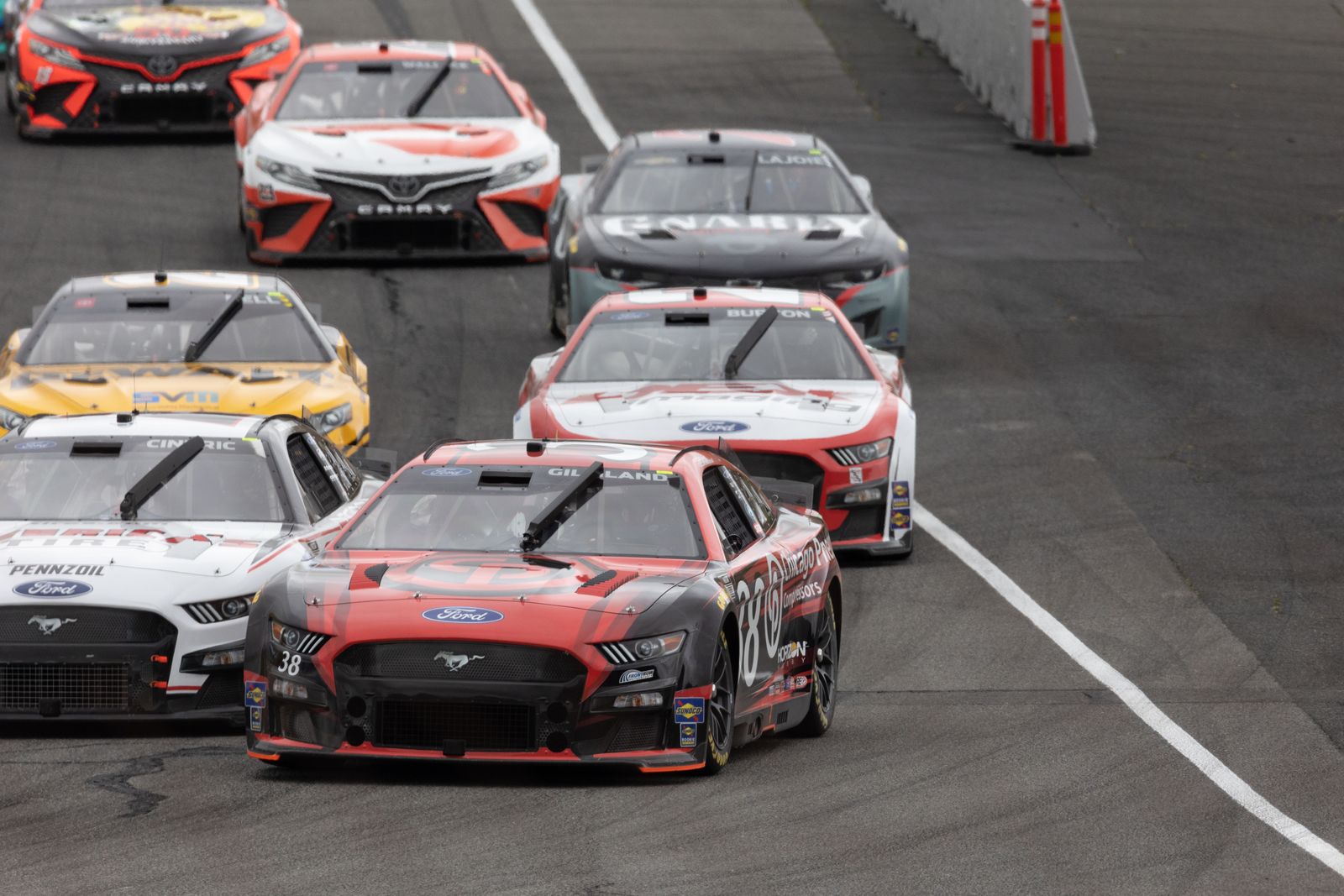
The 2022 introduction of the Next Gen car, with its standardized parts and independent rear suspension, was meant to modernize the sport and control costs for teams struggling with custom fabrication expenses. Instead it produced a wave of driver complaints about handling, difficult-to-repair components that caused longer caution periods after routine contact, and a sense that too much of the car’s identity had been outsourced to single-source suppliers. Some drivers were unusually candid in public interviews about their frustrations with the car’s early reliability and feel, generating friction between the garage and NASCAR leadership that spilled into the media regularly. Fans picked up on that tension and ran with it, turning routine mechanical issues into recurring storylines about whether the car itself was fundamentally flawed. It’s the most recent major decision on this list, and the backlash it generated is still very much a live conversation rather than a settled question.
The “Lucky Dog” Free Pass Rule
NASCAR introduced the “lucky dog” provision to automatically restore one lap to the highest-finishing car that had been lapped when a caution flag flew, aiming to keep more cars competitive and reduce dangerous lapped-car maneuvering during cautions. Purists saw it as an unearned handout, arguing that a car should have to pass the leader on track to unlap itself rather than have a lap simply handed back by rule. Supporters countered that it genuinely improved safety by discouraging risky moves from drivers desperate to get their lap back before the caution ended. The rule stuck around because the safety argument was hard to dismiss, even as grumbling about “participation trophy” racing never fully disappeared from fan conversations. It’s a small rule compared to some of the sport’s bigger structural changes, but it captures the same basic tension between safety-driven pragmatism and old-school notions of earning your position.
Pulling Races From Historic Short Tracks
As NASCAR expanded into bigger media markets over the decades, it moved race dates away from small, historic short tracks in favor of larger, more modern facilities better suited to bigger crowds and broader television audiences. Fans who’d grown up watching close, fender-rubbing racing at those tight, high-banked short tracks felt the sport was trading its authentic roots for corporate real estate calculations. The intermediate-sized tracks that picked up those race dates often produced racing that fans considered comparatively processional, with less of the close-quarters contact that had defined the sport’s identity for so long. NASCAR has periodically brought race dates back to some beloved short tracks in response to sustained fan pressure, a rare instance of the sanctioning body visibly bending to nostalgia. The tension between growth-driven scheduling and preserving the sport’s short-track soul remains one of the most persistent undercurrents in any conversation about where NASCAR should be racing.