

Not all gasoline is created equal, and the gap comes down to a voluntary industry standard called TOP TIER. Six major automakers created the certification in 2004 to push additive levels well above the federal minimum, aiming to keep intake valves and fuel injectors cleaner over time. The catch is that no law forces a retailer to meet it, so plenty of familiar pumps simply opt out.
That means the brand on the sign matters more than most drivers realize. Below are eight major chains that currently do not sell TOP TIER gasoline, according to 24/7 Wall St.’s rundown of the worst gasoline brands in America, along with what’s worth knowing before you fill up there.
BP
BP used to carry the TOP TIER label, which makes its current absence from the list sting a bit more for longtime customers. According to 24/7 Wall St., BP dropped off the certified roster and has stayed off it, even as it continues to operate thousands of stations across the country. Critics point out that a brand with BP’s scale and refining resources could likely meet the additive threshold if it chose to. For drivers who picked BP specifically because of its fuel-quality reputation, that history is worth reconsidering. It doesn’t mean every tank causes a problem, but it does mean the extra detergent package other stations advertise isn’t part of what you’re paying for. If engine cleanliness over the long haul is a priority, cross-checking a station against the current TOP TIER retailer list before committing to a regular fill-up spot is a quick, free way to know what you’re actually getting.
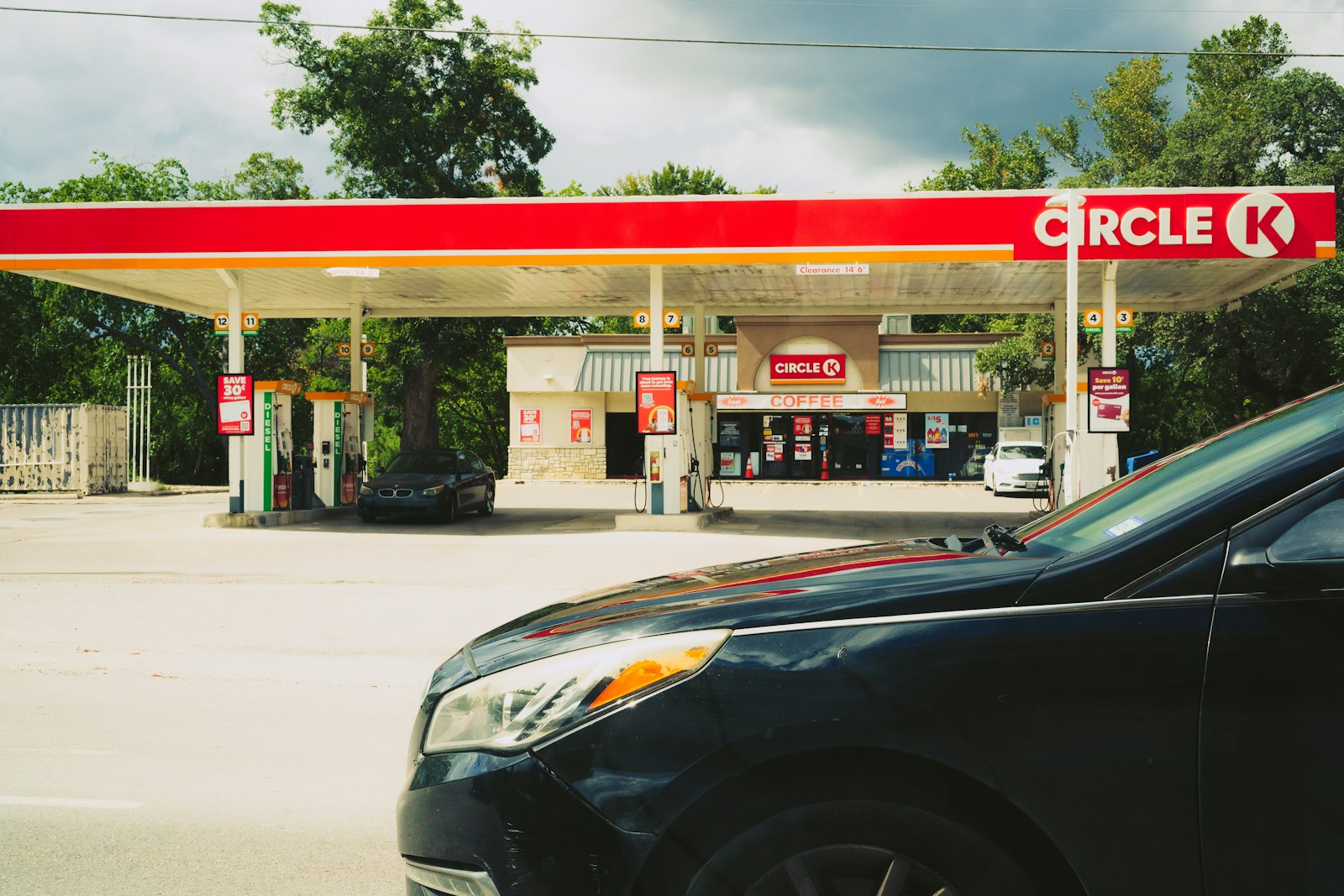
Circle K
Circle K is another chain that once held TOP TIER status and no longer does, a shift 24/7 Wall St. flags directly in its ranking. With thousands of locations blanketing highway exits and city corners alike, Circle K is often the most convenient option rather than the most deliberate choice, and that convenience can mask the fact that its fuel no longer clears the higher additive bar. Some drivers report noticing more frequent injector cleaning recommendations from their mechanics after relying heavily on non-certified stations, though that’s anecdotal rather than proven causation. The bigger issue is transparency: casual customers assume a major, well-known brand automatically means better fuel, when in reality certification status can change without much fanfare. Checking the pump or the TOP TIER website before assuming coverage is the only way to know for certain, especially if you’re filling up a vehicle still under a mileage-sensitive warranty.
Speedway
Speedway’s fuel-quality reputation shifted after 7-Eleven acquired the chain in 2021, and 24/7 Wall St. notes it has operated without TOP TIER certification since. For a chain with thousands of locations across the Midwest and East Coast, that’s a meaningful number of daily fill-ups happening below the voluntary detergent standard. Some longtime customers say they didn’t notice the ownership change at the pump, since the branding and pricing stayed largely familiar, which is exactly the problem critics point to: quality shifts don’t always come with a visible signal. None of this means Speedway fuel fails to meet EPA minimums, only that it skips the extra layer some automakers recommend for long-term engine cleanliness. Drivers who valued Speedway specifically for its prior certification may want to compare nearby TOP TIER alternatives, particularly if their vehicle’s manual references the standard by name.
Amoco
Amoco still shows up on maps and station signage in parts of the country, but the brand is now a BP subsidiary, and 24/7 Wall St. lists it among the non-TOP TIER brands tied to BP’s broader certification gap. That ownership link matters because it means the same additive-package decisions affecting BP stations extend to Amoco pumps as well. With roughly 638 locations nationwide per the report, Amoco isn’t the biggest player on this list, but its brand recognition from decades of operation can lead drivers to assume a heritage name comes with a quality guarantee it no longer carries. Critics argue that legacy branding shouldn’t stand in for a real fuel-quality standard, especially when the underlying company controls whether to opt back in. If Amoco is your regular stop out of habit, it’s worth a quick pump-side check for the TOP TIER logo before assuming it’s there.
Love’s
Love’s Travel Stops are a road-trip staple, especially for long-haul routes where amenities matter as much as fuel, but 24/7 Wall St. notes the chain does not meet TOP TIER standards. That’s a notable gap given how much highway mileage gets fueled at Love’s locations, often by drivers who assume a travel-stop giant has premium fuel sourcing to match its scale. Some truckers and road-trippers report no noticeable issues after years of fill-ups, which lines up with the reality that non-certified fuel still meets federal requirements; it simply skips the extra detergent load automakers recommend. The bigger concern for everyday drivers is that Love’s convenience-store ubiquity along interstates can make it the default choice on a long trip, without much thought given to what’s actually going into the tank. If you’re logging serious highway miles, it may be worth planning fuel stops around TOP TIER-certified alternatives when the route allows it.
Murphy USA
Murphy USA built its brand around low prices, typically anchored next to Walmart Supercenters, and 24/7 Wall St. counts it among the roughly 1,556 non-TOP TIER locations nationwide. The pitch is straightforward value, and for drivers watching every dollar at the pump, that trade-off may be perfectly acceptable. But critics note the savings come specifically from skipping the pricier additive package other brands invest in, not from some unrelated efficiency. It’s a fair trade for a lot of people, especially for short commutes in older vehicles that aren’t as sensitive to injector deposit buildup. The catch is that many shoppers pulling into Murphy USA don’t realize price and additive certification are directly connected; they just see a cheaper number on the sign. Knowing that trade-off exists lets you make an informed call rather than an accidental one.
Pilot Flying J
Pilot Flying J dominates the trucking and long-haul travel-stop market, but 24/7 Wall St. lists it as another major chain outside the TOP TIER certification. With roughly 750 locations serving both big rigs and everyday passenger vehicles, Pilot Flying J’s fuel decisions affect an outsized share of interstate driving. Some critics argue that a chain built specifically around serving vehicles that rack up heavy annual mileage would be a logical candidate for the higher additive standard, since injector cleanliness compounds over more miles driven, not just more time owned. That gap hasn’t stopped the chain’s growth, and plenty of drivers report no issues after years of relying on it for road trips. Still, for anyone driving a vehicle that spends most of its life on the highway, it’s worth weighing whether a short detour to a certified station is worth it on high-mileage trips.
Sam’s Club
Sam’s Club fuel stations trade on membership pricing, often undercutting nearby competitors by a noticeable margin, but 24/7 Wall St. is blunt about the trade-off, arguing the discounted pricing comes alongside fuel that isn’t TOP TIER certified and calling the savings “not worth it” for drivers prioritizing engine care. That’s a stronger stance than the report takes on some other brands, and it reflects how directly Sam’s Club’s value proposition is tied to skipping the certification. For members who already do most of their shopping there, filling up on the way out is an easy habit, and plenty do so without any apparent downside. The tension is really about intent: if you’re chasing the lowest possible price per gallon, Sam’s Club delivers, but if you specifically want the additive package your automaker recommends, that’s not what’s in the pump. Knowing which priority matters more to you is the whole decision.