

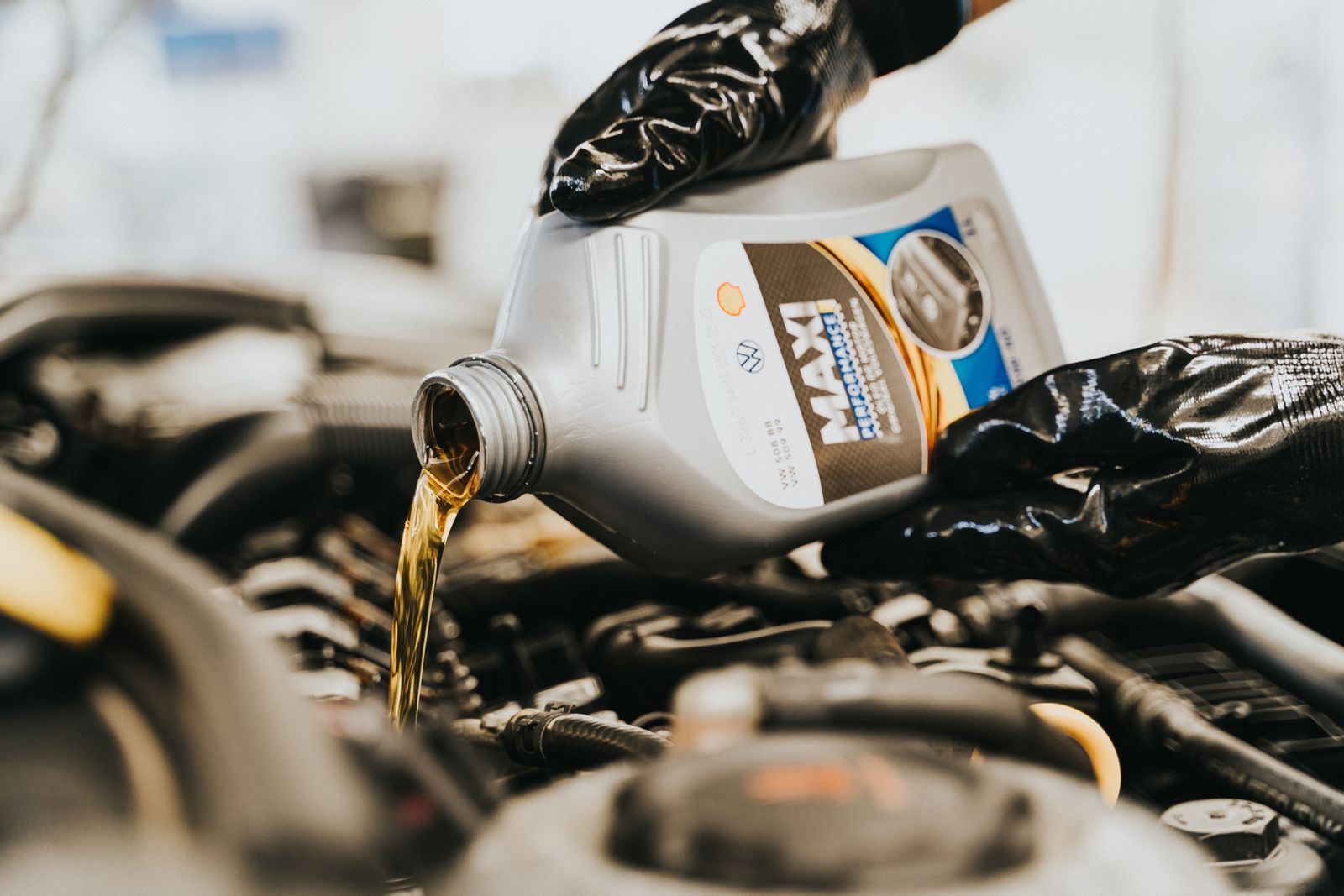
Motor oil marketing loves to imply that the fanciest bottle equals the best protection, but the baseline your engine actually needs is spelled out by the American Petroleum Institute’s licensing program. Any oil carrying the API donut and starburst symbols on the label has been tested and licensed to meet current API service categories and, where applicable, ILSAC standards.
That means a lot of budget-friendly bottles on the bottom shelf meet the exact same certification as oil costing twice as much. Here are nine widely sold budget options that carry current API licensing, per the API engine oil certification program.
Valvoline Daily Protection
Valvoline’s Daily Protection conventional line is positioned as the brand’s entry-level offering, and like the rest of Valvoline’s motor oil lineup, it’s formulated to meet current API service categories and ILSAC GF standards where applicable. Valvoline has been manufacturing motor oil in the U.S. since the 1860s, per the company’s own company history page, giving it one of the longest track records of any brand on shelves today. For a driver whose main concern is simply hitting the manufacturer-recommended service interval without overspending, Daily Protection covers the basics: viscosity grades matching common factory fill specs, and the additive package needed to meet API licensing. It’s not marketed with synthetic-blend performance claims, and that’s fine — the point of a budget conventional oil is reliably meeting spec at the lowest reasonable price, not chasing extended-interval bragging rights.
Castrol GTX
Castrol GTX is one of the longest-running conventional motor oil lines in the U.S. market, and it continues to carry current API service licensing across its viscosity grades. Castrol markets GTX around resistance to sludge buildup, a claim rooted in the additive package’s detergent and dispersant chemistry rather than anything exotic. Because GTX has been reformulated repeatedly over the decades to keep pace with each new API category as it’s introduced, buying a bottle today gets you a modern formulation despite the name’s long history — this isn’t the same chemistry from 30 years ago wearing an old label. For owners of older vehicles with basic factory oil specs, or anyone maintaining a fleet vehicle where cost per quart adds up fast, GTX is a straightforward way to meet spec without paying for full synthetic performance the engine may not require.
Pennzoil Conventional
Pennzoil’s standard conventional oil is API licensed and built around the company’s base oil refining process, which Pennzoil has long marketed under its PurePlus branding for the synthetic tier, though the conventional line uses a more traditional base stock. Pennzoil is owned by Shell, giving it backing from one of the larger integrated oil companies when it comes to base oil sourcing and quality control. For everyday commuter vehicles running factory-recommended conventional oil, Pennzoil’s budget tier hits the same API mark as its pricier synthetic siblings, just without the extended-drain-interval marketing. It’s a common private-label and store-brand base as well, so checking the fine print on cheaper store oils sometimes reveals a familiar refiner behind the label, which is worth knowing if you’re deciding between a name brand and a generic on the same shelf.
Quaker State Conventional
Quaker State’s conventional motor oil is API licensed and sits at the budget end of a brand that, like Pennzoil, is part of the Shell family of lubricant brands. Quaker State has leaned into value positioning more explicitly than some competitors, often pricing its conventional line to undercut Valvoline and Castrol at big-box retailers. That doesn’t mean it’s cutting corners on the additive package required for API licensing — the certification process is the same regardless of price point, and a licensed oil has to pass the same battery of tests to legally display the API marks. For a second vehicle, an older beater, or any application where you’re changing oil on a tight interval anyway, Quaker State’s conventional line is a reasonable way to stay in spec while keeping cost per oil change down.
Mobil Super
Mobil Super is ExxonMobil’s conventional and synthetic-blend line, positioned below the flagship Mobil 1 full-synthetic brand, and it carries current API licensing across its grades. ExxonMobil’s base oil refining scale is among the largest in the industry, which the company leverages across both its budget and premium tiers. Mobil Super’s synthetic-blend variant in particular is a popular middle-ground choice for drivers who want a step up from pure conventional oil without paying full-synthetic prices, and it still meets the same API bar as Mobil 1 in terms of licensing, even if the specific performance claims and drain-interval recommendations differ. For anyone shopping mainly on price at a warehouse club or auto parts store, Mobil Super is one of the more recognizable names sitting in the budget-to-mid-range bracket.
Havoline
Havoline is Chevron’s motor oil brand, sold separately from Chevron’s Techron-branded gasoline additive, and its conventional line is API licensed to current service categories. Havoline has a long history as a private-label and OEM-adjacent oil, and Chevron’s control over the full base oil production chain, from refining to additive blending, gives it similar scale advantages to Pennzoil and Mobil Super. Havoline’s conventional oil is commonly stocked at big-box retailers and is frequently discounted, making it one of the more accessible budget options for drivers who don’t have a strong existing brand preference. As with the rest of this list, the API licensing on the bottle is the part that matters for warranty compliance and basic engine protection, and Havoline’s conventional grades meet that requirement without the premium pricing of the brand’s full-synthetic tier.
Warren Distribution / SuperTech (Walmart)
Walmart’s SuperTech motor oil is manufactured by Warren Distribution, and its conventional and synthetic-blend grades carry current API licensing, the same requirement any bottle needs to legally show the API donut. SuperTech has built a reputation as one of the most aggressively priced options on this list, largely because it skips the marketing budget that goes into a national brand name. That trade-off is exactly what a budget shopper is looking for: the same licensing bar, without paying for TV ads. It’s worth checking the specific bottle’s API category and viscosity grade against your owner’s manual regardless of brand, since that’s the detail that actually determines whether a given oil is appropriate for your engine, not the name on the label.
STP
STP is a long-running American brand best known historically for its oil additives, and its motor oil line, including the conventional grades, carries current API licensing. STP oil tends to be priced competitively with SuperTech and other value brands, and it’s commonly found at auto parts chains rather than exclusively at big-box retailers, which can make it more convenient for a quick oil change stop. Like the other conventional oils on this list, the core value proposition is meeting the same licensed additive and base oil standard as pricier synthetic options, for drivers whose vehicle and driving pattern don’t call for a full synthetic. STP’s decades of brand recognition in the automotive aftermarket give it a level of shelf trust that’s earned it a place alongside the bigger oil-company names.
Motorcraft (Ford)
Motorcraft is Ford’s parts and fluids brand, and its motor oil, including conventional grades, is API licensed and frequently specified as the factory-fill oil for Ford and Lincoln vehicles. Because Motorcraft oil is engineered to match Ford’s own factory specifications, it’s a common recommendation for Ford owners who want to stick as close as possible to what left the factory, without necessarily paying dealership service prices, since Motorcraft-branded oil is also sold through auto parts retailers. It generally isn’t the cheapest option on this list, but it sits solidly in the budget-to-mid tier while carrying the added reassurance of being the same brand many Ford dealerships use, which matters to owners tracking warranty documentation or simply wanting factory-matched fluids for a vehicle they plan to keep long-term.