

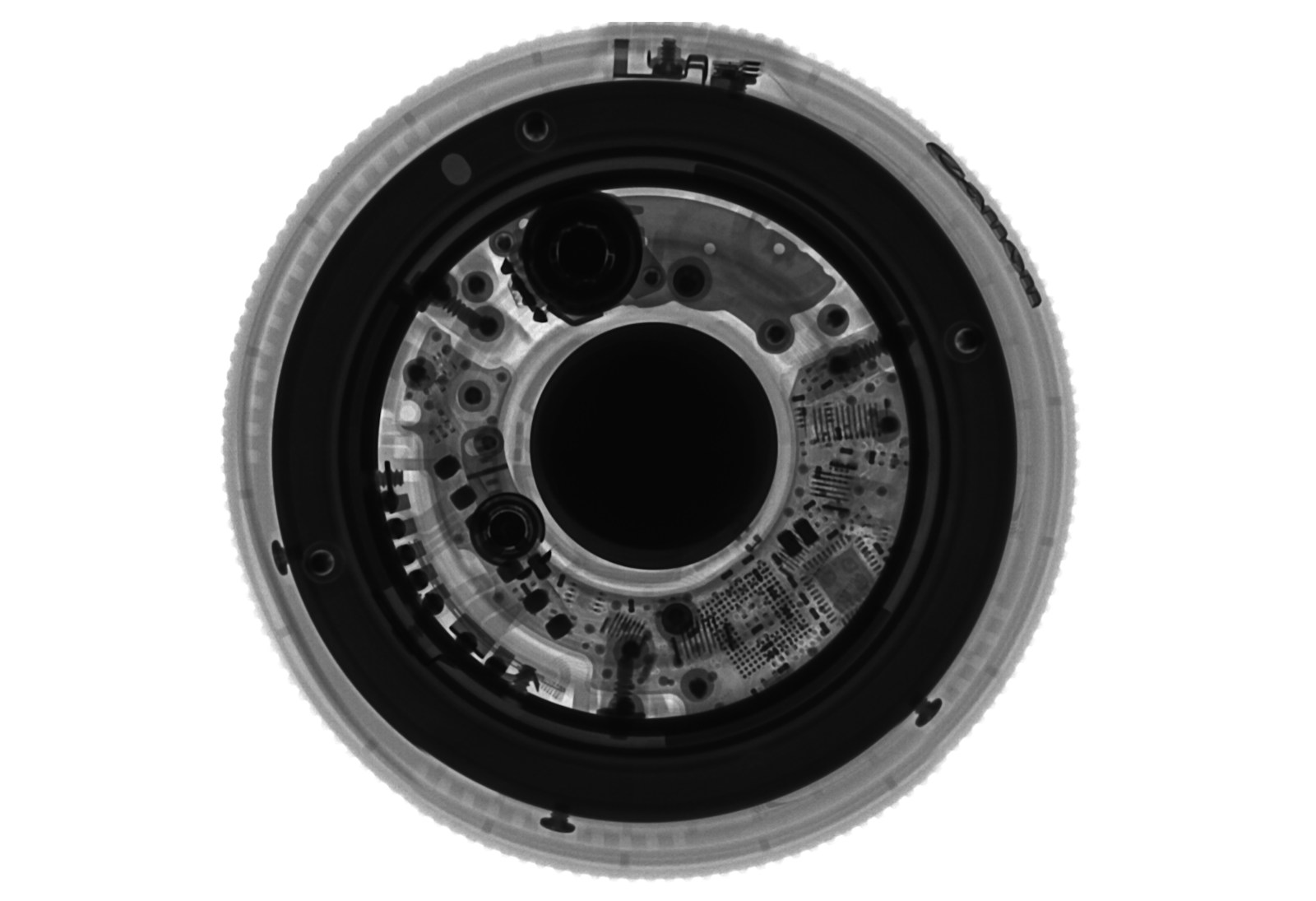
An oil filter looks like the simplest part of an oil change, which is exactly why it’s easy to grab whatever’s cheapest off the shelf. But the internals vary a lot more than the outside suggests. Jalopnik has reported that budget filters often use “poorly molded bypass valves made of plastic,” while more reputable options use “durable spring-loaded steel valves” that are far less likely to let unfiltered oil slip through.
That difference matters more over a filter’s full service interval than most drivers assume. Here are nine situations where buying strictly on price has burned people, based on enthusiast forums, teardown comparisons, and reporting on what’s actually inside these canisters.
Fram’s Long-Running Bypass Valve Debate
Fram is one of the most recognizable names in the filter aisle, and it’s also the subject of one of the automotive world’s longest-running debates. Enthusiast threads on forums like TractorByNet and AnandTech’s forums have dissected teardown photos for years, with posters pointing to thinner canister walls and simpler bypass valve construction compared to premium competitors. Fram disputes that its filters are inadequate, and the brand remains widely sold and used without incident by plenty of drivers. Still, the volume and consistency of forum skepticism, going back well over a decade, is hard to ignore for anyone shopping purely on shelf price. If you’re set on using Fram, sticking to its higher-tier “Ultra” or “Titanium” lines rather than the base-tier product tends to be the compromise long-time forum posters recommend.
Walmart’s Supertech Getting Thinner Over Time
Supertech, Walmart’s house brand, has developed a loyal following for its low price and generally adequate performance, but that reputation took a hit when longtime users started noticing a change. A BobIsTheOilGuy thread documents posters comparing older and newer Supertech 9972 filters side by side and finding the canister had gotten noticeably thinner. That kind of quiet reformulation is exactly what makes a bargain filter risky: the version that earned a good reputation years ago isn’t necessarily the version currently on the shelf. None of this means every current Supertech filter is compromised, but it’s a documented example of why checking recent user experiences matters more than relying on an older reputation, especially for a house brand that can change suppliers or specs without much announcement.
Filters With Plastic Bypass Valves
The bypass valve exists for a specific emergency: when a filter gets clogged or oil is too cold and thick to pass through normally, the valve opens to let oil flow around the filter media rather than starve the engine. Jalopnik’s reporting notes that cheaper filters often use plastic bypass valves that can be poorly molded, risking unfiltered oil escaping the filter more easily than a spring-loaded steel version would. This isn’t unique to one brand; it’s a cost-cutting choice that shows up across multiple budget product lines. The practical takeaway is to look past the sticker price and check whether a filter’s specifications mention the bypass valve material, which many manufacturers now list for exactly this reason.
Filters With Nitrile Rubber Anti-Drainback Valves on Extended Intervals
Anti-drainback valves keep oil from draining out of the filter and engine passages when the car sits overnight, which matters for reducing dry-start wear the next morning. Budget filters commonly use nitrile rubber for this valve, which Jalopnik notes is designed for normal, shorter oil change intervals rather than the extended intervals many modern synthetic oils allow. Pairing a nitrile-valve budget filter with a 10,000-mile synthetic oil interval is a mismatch that can shorten the valve’s effective lifespan well before the oil itself needs changing. Checking whether a filter specifies a silicone anti-drainback valve is worth the extra minute if you’re running longer intervals.
No-Name Filters Sold in Bulk Multi-Packs
Marketplace listings for unbranded oil filters sold in bulk packs of six, ten, or more show up regularly on major online retailers, often at a fraction of the price of a recognized brand. The trouble is traceability: these listings frequently change sellers and sourcing without notice, making it difficult to know whether any two multi-packs purchased months apart are actually the same product. Enthusiast forum members have long recommended sticking to filters with a clearly documented manufacturer and country of origin rather than gambling on a generic listing, simply because there’s no way to hold an anonymous seller accountable if a batch turns out to have a manufacturing defect.
Dollar-Store and Convenience-Store Filters
Some discount retailers stock oil filters as an impulse or emergency purchase, positioned near other automotive basics, and priced well below what a parts store charges. The trade-off is that these outlets typically carry only the most basic economy line from whichever manufacturer supplies them, without the mid- or premium-tier options available elsewhere. For a genuine roadside emergency, that’s a reasonable trade-off. As a planned purchase for a scheduled oil change, most mechanics recommend spending the extra few dollars at a dedicated auto parts retailer where staff can confirm the correct fitment and a more robust construction tier.
Filters Without a Visible Manufacturer Flow Rating
Reputable oil filter manufacturers typically publish a flow rate and micron filtration rating for their products, information that lets buyers compare filtration efficiency directly. Budget filters frequently omit this data entirely, leaving buyers to judge quality purely on canister size and price. Enthusiast filter-comparison threads, including flow-bench style testing shared on forums like BobIsTheOilGuy, consistently point to this missing documentation as a red flag. If a filter’s packaging or online listing gives no filtration specifications at all, that absence is itself useful information about how much the manufacturer wants you scrutinizing the internals.
Filters With Cardboard-Reinforced Filter Media
Some economy filters use a filter media supported by a cardboard or paper end cap rather than a full metal backing plate, a construction detail that shows up in teardown comparisons shared across automotive forums. The concern isn’t that the media itself filters poorly under normal conditions, but that cardboard components can degrade faster when exposed to prolonged heat and oil saturation over an extended service interval. This is more of a longevity concern than an immediate failure risk, but it’s a reasonable factor for anyone planning to stretch intervals toward the upper end of what their oil is rated for.
Filters Missing a Built-In Anti-Drainback Silicone Gasket
The gasket that seals a filter against the engine block matters just as much as the internal valves, since a poor seal risks slow seepage over time. Some of the cheapest filters on the market use a harder, less flexible gasket material that can lose its seal integrity sooner than a silicone gasket would, particularly in vehicles that see significant engine bay heat cycling. This is a detail easy to overlook when filters are stacked side by side on a shelf, since the gasket material isn’t always described on the packaging. When it is listed, forum consensus across sites like BobIsTheOilGuy consistently favors silicone over harder synthetic alternatives for long-term sealing reliability.