
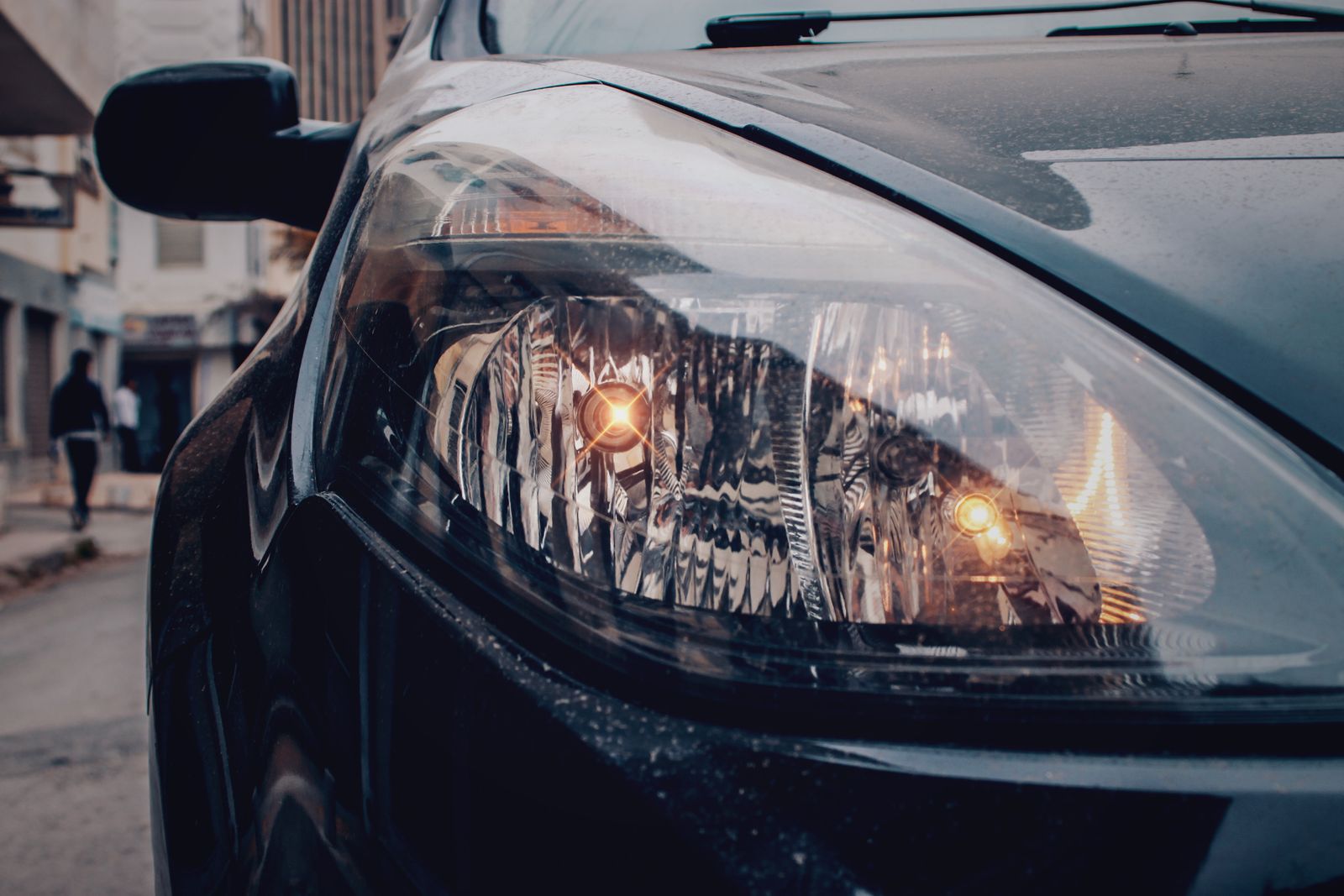

The aftermarket LED and HID headlight bulb market has grown fast, largely by promising a dramatic upgrade over factory halogen bulbs for a relatively small cost. What often doesn’t make it into the marketing is that many of these bulbs are designed to retrofit into housings engineered for a completely different light source, which can create real glare problems for oncoming drivers rather than the clean beam pattern pictured in the listing photos.
Groups like the Soft Lights Foundation have spent years documenting exactly this compliance gap. Here are eight situations worth understanding before you upgrade your headlights.
LED Retrofit Kits Installed in Halogen-Designed Reflector Housings
Factory halogen headlight housings are engineered around the specific light-emission pattern of a halogen filament bulb, and swapping in an LED bulb changes that emission pattern in ways the reflector or projector wasn’t designed to control. The Soft Lights Foundation explains this mismatch as a core reason many aftermarket LED conversions scatter light inconsistently, creating hot spots and glare for oncoming traffic rather than the crisp, controlled beam pattern a properly engineered factory LED housing produces. The bulb itself may be well made, but installing it in the wrong style of housing is a mismatch that undermines the whole upgrade.
Kits Marketed as “Plug and Play” Without DOT Compliance Disclosure
Many LED and HID conversion kits are marketed with “plug and play” language emphasizing easy installation, without prominently disclosing that the kit doesn’t meet Federal Motor Vehicle Safety Standards for headlight performance in a non-OEM housing. That’s a meaningful omission, since a non-compliant kit can technically make a vehicle illegal to drive in some states and, more immediately, can create genuine safety hazards for other drivers on the road through excessive glare. Checking a kit’s actual DOT/SAE compliance status, not just its ease-of-installation marketing, is worth the extra research before buying.
Ultra-High Kelvin Temperature Bulbs Marketed for Maximum Whiteness
Bulbs marketed around an extremely high color temperature, often in the 8,000 to 10,000 Kelvin range and beyond, produce a bluish-white or even purplish light that looks striking in product photos but actually reduces effective visibility in fog, rain, and snow compared to a bulb closer to the 5,000 to 6,000 Kelvin range most safety experts recommend. Buyers chasing the whitest possible light are often trading away real-world visibility performance for a look, which is the opposite of what a headlight upgrade should accomplish.
Bulbs With Inconsistent Beam Cutoff Lines
A properly designed headlight beam has a sharp cutoff line that illuminates the road ahead without shining directly into oncoming drivers’ eyes, and this cutoff is a function of the whole housing and bulb system working together, not just the bulb in isolation. Aftermarket bulbs that don’t replicate the factory bulb’s exact filament or emitter geometry can blur or eliminate this cutoff line entirely, a problem documented extensively in the glare complaints tracked by groups like Soft Lights Foundation and referenced in ongoing regulatory discussions about headlight brightness standards.
Kits With Poor Heat Dissipation Leading to Early Failure
LED bulbs generate heat that must be actively managed through a heat sink and often a small fan, and budget conversion kits sometimes use undersized cooling components that can’t adequately dissipate that heat during extended nighttime driving. This can lead to premature dimming or outright bulb failure well before the advertised lifespan, particularly in hot climates or during sustained highway use where the housing itself is already retaining engine bay heat.
Bulbs Requiring a Separate, Unlisted Canbus Adapter
Many modern vehicles monitor bulb resistance electronically to detect burned-out bulbs, and installing a lower-resistance LED bulb without a compatible canbus adapter can trigger a persistent dashboard warning light or even cause the bulb to flicker. Some listings don’t clearly disclose whether a canbus adapter is required or included, leading buyers to discover the compatibility issue only after installation, when a dash warning light suddenly appears for a bulb that’s actually functioning fine.
Kits With Exaggerated Lumen Output Claims
Lumen output numbers on budget LED headlight bulb packaging are frequently self-reported by the manufacturer without independent verification, and enthusiast forum testing has repeatedly found real-world output falling well short of the advertised figure. A bulb claiming an implausibly high lumen count compared to established, independently tested competitors at a similar price point is a reasonable candidate for skepticism, since legitimate manufacturers producing genuinely bright bulbs generally have less to gain from wildly inflating an already-strong number.
Colored Bulbs Sold in States Where They’re Illegal for Headlight Use
Some aftermarket bulbs are sold in blue, purple, or other tinted colors purely for aesthetic appeal, without clearly disclosing that many states restrict headlight color to white or a narrow near-white range, making these bulbs illegal for road use even though they’re readily available for purchase. A driver pulled over with an illegally tinted headlight bulb faces a citation regardless of whether they realized the color was against local law, making it worth checking your specific state’s regulations before installing any colored bulb.