

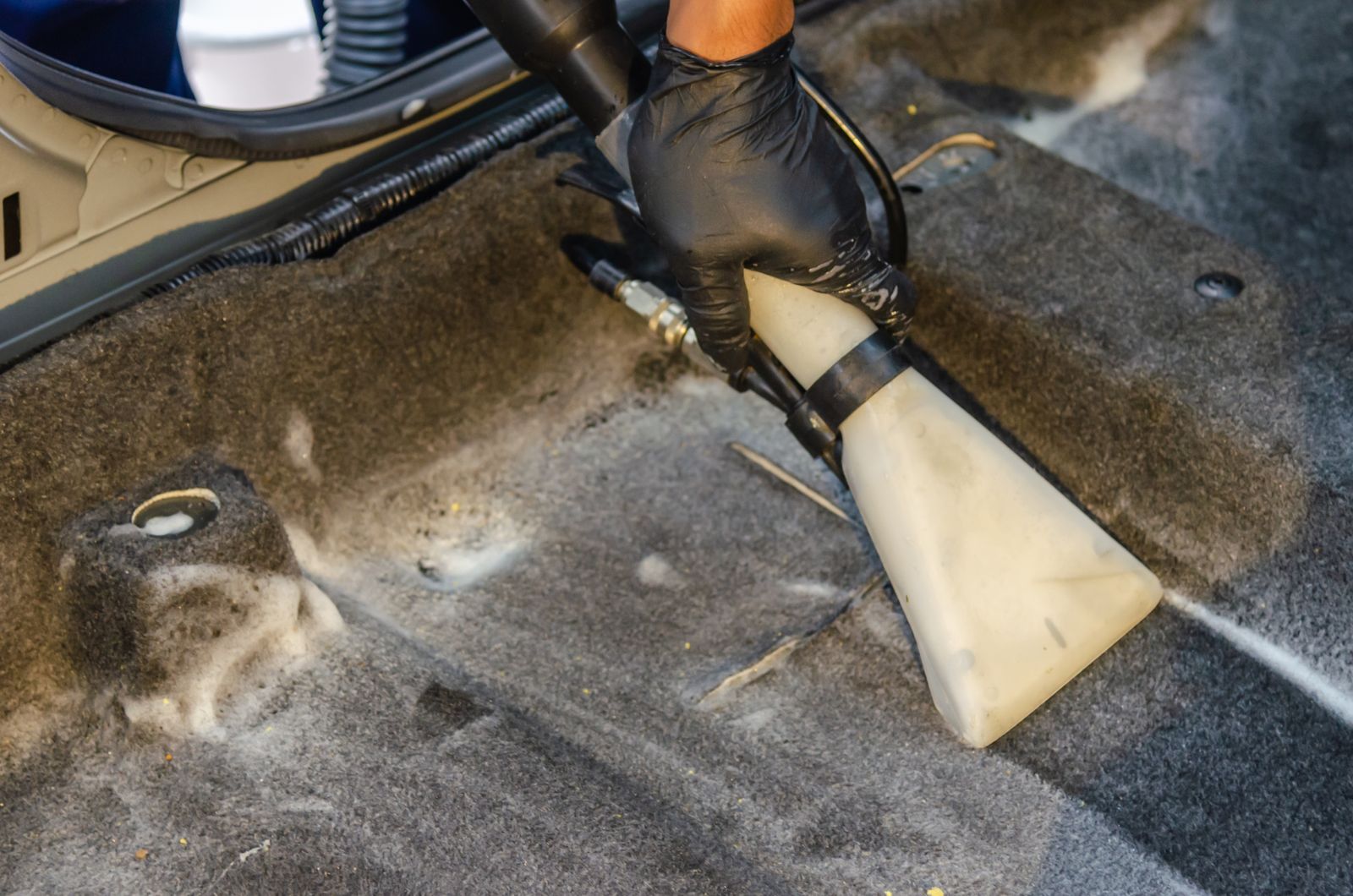
Portable car vacuums are marketed heavily around convenience: small, cordless, easy to store in a trunk or glove box. What that compact form factor often can’t deliver is the sustained suction power needed to handle a genuinely messy family vehicle, the kind with ground-in cereal crumbs, sand tracked in from the beach, and pet hair embedded deep in the carpet fibers.
Here are six weaknesses that show up once a portable vacuum meets that kind of mess, based on patterns documented across reviews from outlets like CNN Underscored’s car vacuum testing.
Cordless Models With Suction That Fades as the Battery Drains
Many cordless portable vacuums pull hardest near a full charge, with suction tapering off before the battery is fully drained. That matters more than the headline runtime suggests, because the minutes at the end of a charge do less work than the minutes at the start, a distinction rarely spelled out in marketing. Runtime itself is short. Consumer Reports says run times in its handheld vacuum tests range from 9 to 25 minutes, and a family car with three rows of crumbs can use all of that. Plan the job around the battery. Start with the worst areas, usually the footwells and the space under child seats, while the charge is fresh, and leave hard plastic and cup holders for last. Check whether the advertised runtime applies to the low or the high power setting, since boost modes drain a battery much faster. A model with a swappable battery lets you finish the job without waiting on a recharge.
Small-Capacity Dust Cups Requiring Frequent Emptying
Compact vacuums are built small for easy storage, which limits dust cup capacity, and a messy interior can fill a small cup within a couple of minutes, forcing repeated stops mid-job. That is a fair trade-off for occasional light cleanups but a real frustration in a family vehicle that needs a deep clean. A full cup also hurts performance before it overflows, because debris packed against the filter restricts airflow and suction drops. Empty the cup when it reaches the fill line rather than when the vacuum stops picking up, and tap or brush the filter clean each time. Before buying, look for the capacity in the specifications; if the listing doesn’t state one, treat that as a warning. A clear cup lets you see the level at a glance, and a one-button release keeps sand and fine dust off your hands. For heavy seasonal cleanups, a small shop vacuum with a hose gets through the job with far fewer interruptions, even if it gives up some portability.
Narrow Nozzle Attachments That Struggle With Larger Debris
Many portable car vacuums ship with narrow crevice attachments suited to the gaps between seats and consoles, but the same narrow openings can clog on larger debris such as small rocks, snack pieces or clumped pet hair. A vacuum without a wider, unobstructed intake may need you to pick out bulky items by hand before it can handle the rest, an extra step that undercuts the convenience it is sold on. Match the tool to the mess. Use the bare intake or the widest nozzle for floor mats and cargo areas, and save the crevice tool for seat tracks and seams. Pull the floor mats out and shake them first, since that removes most gravel and large crumbs without touching the vacuum. When suction suddenly drops, check the nozzle and the intake flap for a lodged object before blaming the battery. Models that include a brush tool and a short flexible hose cover more of a family car than those with a single fixed nozzle.
Motors That Overheat and Shut Down During Extended Cleaning Sessions
Compact vacuum motors produce a lot of heat for their size, and some budget models cope poorly with long sessions, shutting off partway through a heavily soiled vehicle. A vacuum that keeps stopping to cool down turns a quick cleanup into a much longer job than the marketing implies. Restricted airflow is a common trigger, because the air moving through the vacuum also helps cool the motor. A clogged filter, a packed dust cup or a blocked nozzle makes the motor work harder with less cooling. If the body feels hot or the motor’s pitch rises, stop, empty the cup, clean the filter and clear the nozzle before restarting. Work in sections and give the vacuum a few minutes of rest between rows rather than running it flat out. Summer makes this worse, since a car parked in the sun is already hot inside, so open the doors, work in shade, and don’t store a cordless vacuum in a hot trunk, where heat also wears on the battery.
Corded Models With Cables Too Short to Reach the Back Seat or Trunk
Corded vacuums that plug into a vehicle’s 12V outlet often have a cable that reaches the front seats easily but falls short of the third row or cargo area in larger vehicles. Measure before buying. Run a tape from the outlet you plan to use to the farthest corner of the trunk, following the path the cord would take around the seats, and compare that with the listed cable length. Many SUVs and minivans have a second outlet in the cargo area or the back of the console, which solves the reach problem if it is powered when you need it. Power is the other limit. A 12V outlet can only supply so much; one Toyota owner’s manual, for example, restricts its power outlet to accessories drawing less than 10 amps, or 120 watts. A plug-in vacuum has to live within that budget, so expect modest suction, and check your own manual for the outlet’s limit and the fuse that protects it.
Pet Hair Claims That Don’t Account for Deeply Embedded Fur
Vacuums marketed for pet hair often do well on loose, surface fur but struggle with hair woven into carpet fibers or upholstery, a distinction that marketing photos of surface-level demonstrations don’t make clear. Short, stiff hairs can work into the carpet pile, and suction alone rarely pulls them free. Loosen the hair first. Detailing supplier Chemical Guys recommends lightly misting the upholstery with water so the hair clumps, and running slightly dampened rubber gloves or a rubber pet hair brush over seats and carpet to gather it. Work in short strokes in one direction, pile the hair up, lift the clumps out by hand, then vacuum what remains with a brush attachment. Keeping hair out is easier than removing it: a washable seat cover or cargo liner where the dog rides cuts the job to a quick shake outside. Treat a “pet” label as a hint about the included attachments, not a guarantee of deep-carpet performance.