

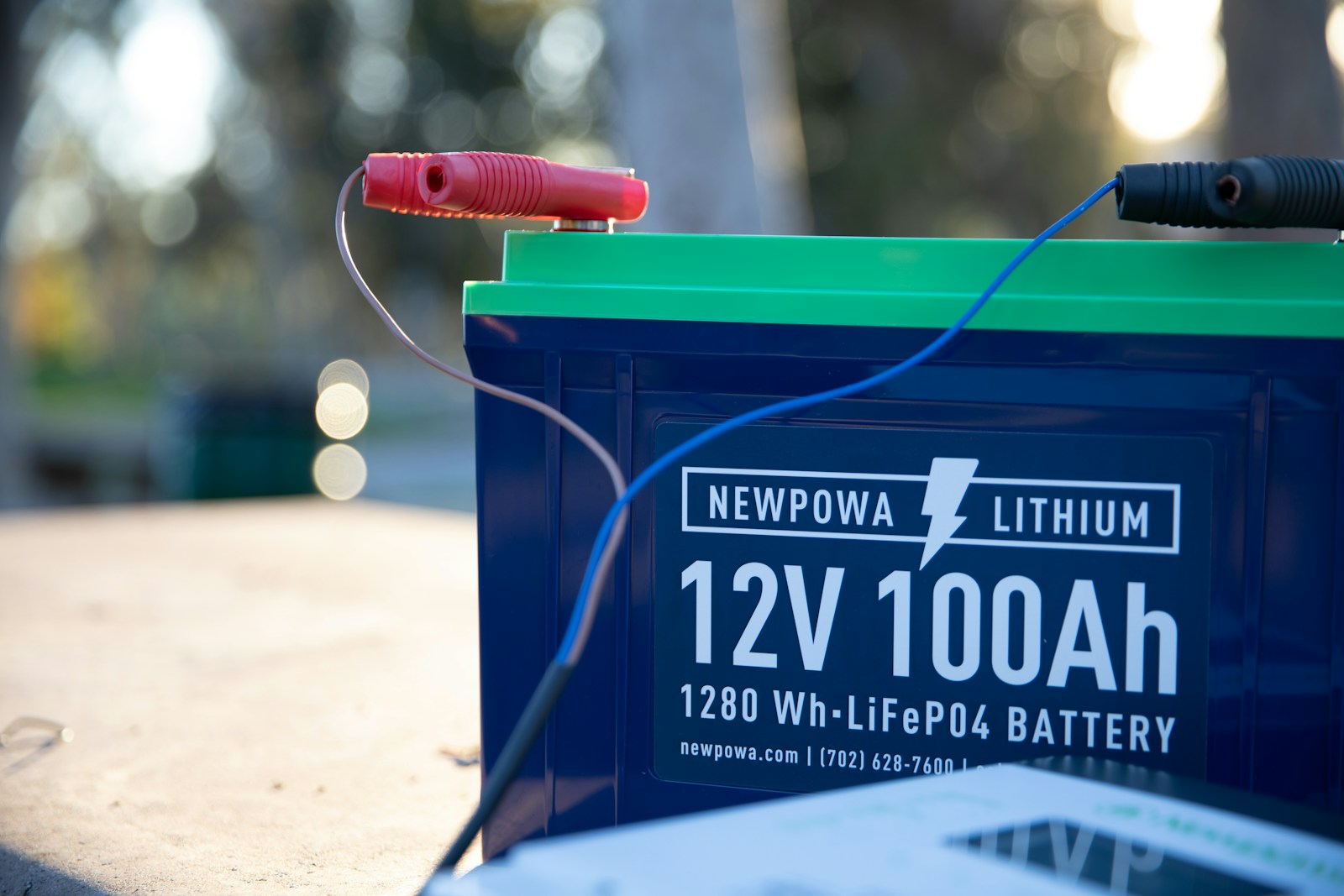
A car that sits unused for weeks at a time, whether it’s a second vehicle, a project car, or a seasonal ride, will eventually drain its battery just from the small parasitic draw of onboard electronics, even with everything switched off. A dedicated battery charger or maintainer solves this by keeping the battery topped off automatically rather than letting it discharge to the point of needing a jump start.
These six chargers are worth keeping plugged in on any vehicle that spends more time parked than driven.
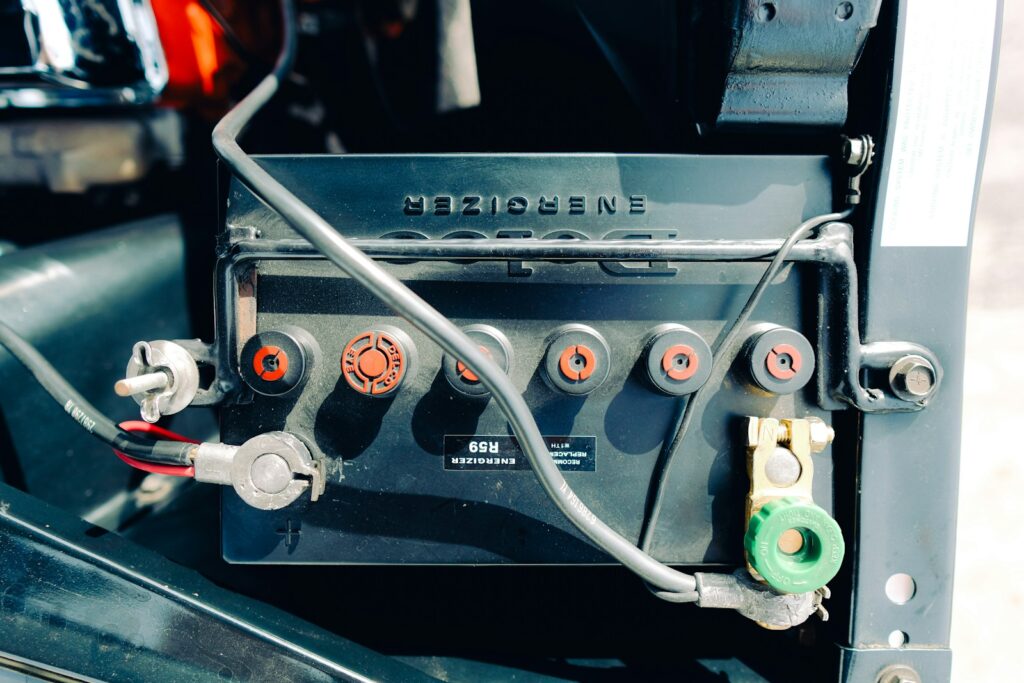
NOCO Genius
NOCO’s Genius line carries the battery focus behind its Boost jump starters into chargers and maintainers. The smallest model shows the approach. The NOCO GENIUS1 is a 1-amp unit for 6-volt and 12-volt batteries that handles flooded, gel, AGM and lithium-ion types, and NOCO lists it at about $30. A built-in thermal sensor adjusts the charge for ambient temperature, which matters in an unheated garage that swings from freezing in winter to hot in summer. NOCO says the charger can detect batteries as low as 1 volt, and a manual force mode is there for ones that are completely flat. For a car that sits, the key feature is that it can stay connected. The maintenance mode monitors the battery and is designed to hold it full without overcharging. One amp is slow for a full-size car battery that is already low, so pick a larger Genius model if you also want to recover drained batteries in a reasonable time.
Battery Tender Junior
Battery Tender, made by Deltran, is one of the most established names in maintenance chargers, and the Junior has a long-standing reputation among motorcycle and seasonal-vehicle owners as a simple way to keep a battery topped off in storage. The Florida company dates to 1965 and introduced its first fully automatic smart chargers under the Battery Tender name in 1988, according to the brand’s own company background. The name has since become a casual term for the whole product category. The Junior is the small, low-output model in the lineup. That makes it a good match for motorcycle, ATV and lawn tractor batteries, and for a car battery that is already healthy and only needs to be held at full charge. It is not the tool for bringing a dead car battery back quickly. If your maintainer comes with a ring-terminal lead, bolt it to the battery once and leave it in place, so hooking up takes a few seconds each time you park.
CTEK
CTEK is a Swedish brand at the premium end of the category. Its chargers run a multi-stage program that first charges a depleted battery and then maintains it long-term without overcharging. The CTEK MXS 5.0, a common choice for cars, has an eight-step program with a 4.3-amp charge current. CTEK rates it to charge batteries up to 110 amp-hours and maintain batteries up to 160, which covers nearly any passenger car. It adjusts charge voltage for ambient temperature, has a reconditioning mode, and comes with a five-year warranty. Those details matter most on classic cars and higher-value vehicles, where a replacement battery is expensive or hard to match. Many late-model cars with stop-start systems use AGM or EFB batteries, and the MXS 5.0 is built to charge both. The trade-off is price. If the car has an ordinary flooded battery and you only need to keep it topped off, a basic maintainer will do the job for less.
Schumacher SC1281
The SC1281 is a different kind of tool from the small maintainers on this list. Schumacher has made battery chargers for decades, and it builds this one as a full-size charger with a 100-amp engine start setting, a 30-amp boost and a 6-amp to 2-amp charge rate, according to the company’s SC1281 product page. It works on 6-volt and 12-volt batteries, uses a multi-stage charging program, and drops to a trickle that maintains voltage once the battery is full. It also has a built-in battery and alternator tester and reverse polarity protection. That makes it the pick if a car that sits has already left you with a dead battery more than once. It can charge the battery, help start the engine, and then show whether the battery or the charging system is the weak point. It is bulkier than a plug-in maintainer and connects with clamps, so it suits a garage shelf better than a permanent hookup under the hood.
Black+Decker BM3B
The BM3B is Black+Decker’s small battery maintainer, and its appeal is simplicity. There are no charging modes to study. You connect it, plug it in, and it keeps the battery topped off. Black+Decker is sold at most big-box retailers, so the BM3B is one of the easier maintainers to find in a store without ordering online. For a second car, or a vehicle that sits for a few weeks at a time, that is all most owners need. A low-output maintainer like this has limits worth knowing. It is meant to hold a good battery at full charge, not to revive a flat one, and it will take a long time to bring a large, deeply discharged battery back. Before you rely on any maintainer, check that the battery terminals are clean and tight, route the cord where a closing hood or door will not pinch it, and plug into an outlet that is not controlled by a wall switch someone might turn off.
Battery Tender Plus
The Plus sits a step above the Junior in the same lineup. Deltran lists the Battery Tender Plus as a 12-volt, 1.25-amp charger for flooded, AGM and gel batteries from 14 to 80 amp-hours, a range that takes in most car batteries. It runs a four-stage program: initialization, bulk charge, absorption and float maintenance. In the float stage it delivers only enough current to offset the battery’s natural self-discharge, so it can stay connected through a whole storage season. The higher output is the reason to choose it over the Junior for a car. It is better suited to bringing a partly drained car battery back to full before it settles into maintenance mode. The kit includes both alligator clips and a ring-terminal lead, and Deltran backs it with a 10-year limited warranty. At about $65 it costs more than the most basic maintainers, so buy it for a full-size battery, not a motorcycle.