

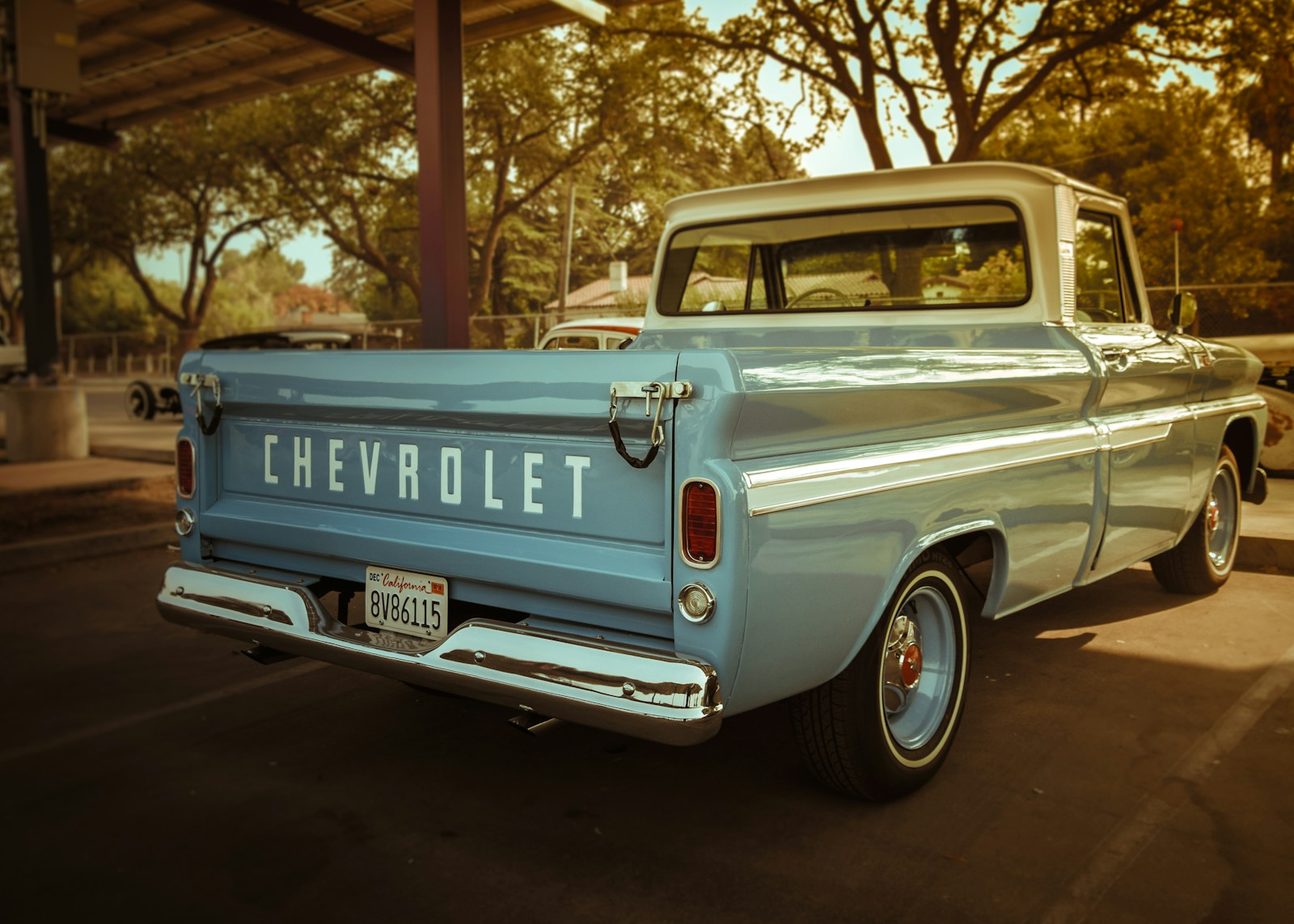
There’s a specific breed of truck owner who will recite a litany of expensive problems their rig has put them through, in intricate technical detail, and then turn around and tell you they’d buy the exact same truck again tomorrow. It’s not blind loyalty, exactly. It’s more that trucks tend to get worked hard, driven long, and forgiven for a lot, in a way that a daily commuter sedan rarely earns from its owner.
The twelve trucks below each carry a known weak spot. Some have recalls or lawsuits on record, and others simply ask more of their owners than a simpler truck would. And yet, in owner forums and at truck stops everywhere, each has a fan base that will defend it to the end, usually because whatever the truck got wrong, it got enough else right to earn the benefit of the doubt.
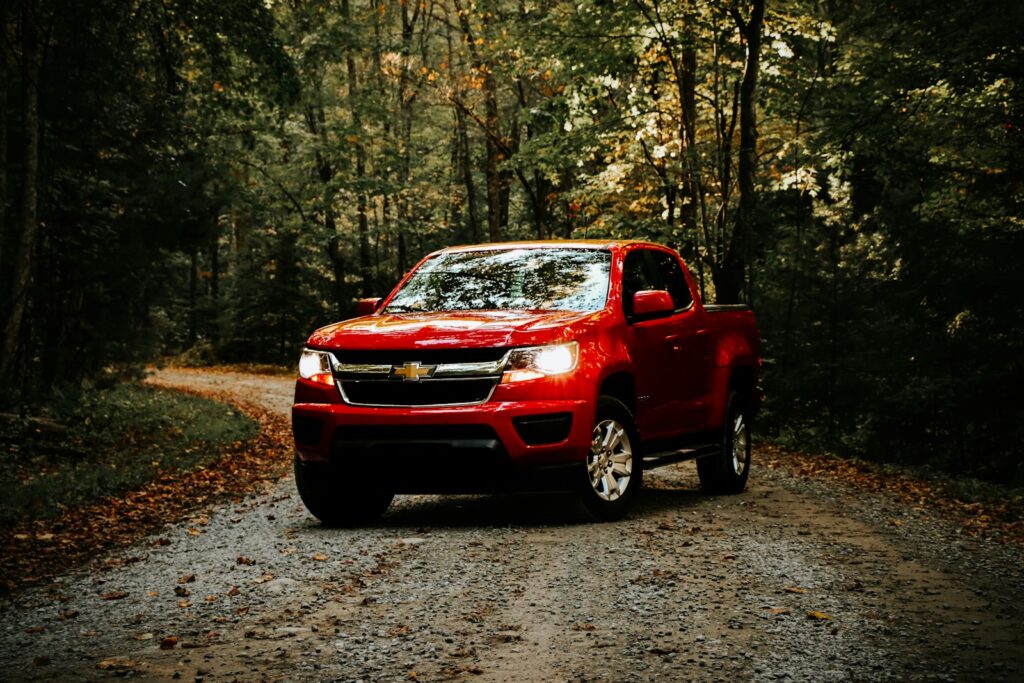
Ford Super Duty With the 6.0L Power Stroke
Built from roughly 2003 through 2007, the 6.0-liter Power Stroke diesel has one of the most argued-over reputations in the truck world. In 2005, Ford recalled about 180,000 vehicles with the 6.0L, including 2004 and 2005 F-250 through F-550 Super Duty trucks, after reports of engines stalling while driving. Dealers upgraded or replaced the fuel injection control module wire harness and, where needed, installed a new injection control pressure sensor connector. Many owners went further on their own dime. The 6.0 community’s favorite word is “bulletproofing,” shorthand for aftermarket head studs and upgraded oil and EGR coolers, and a truck with receipts for that work is the one experienced buyers look for. If you are shopping, ask for those records and confirm the recall work was completed. The 6.0L crowd remains one of the most active corners of the diesel world, full of owners who will walk you through every fix they made and still insist the frame, the drivetrain and the capability were worth the trouble.
Chevrolet Silverado and GMC Sierra 1500 With the 5.3L Vortec
The 5.3-liter V8’s Active Fuel Management system shuts down half the cylinders during light cruising to save fuel. It depends on special deactivation lifters, and those lifters are at the center of a proposed class action over GM lifter failures that lists 2014 through 2020 Silverado and Sierra trucks among the affected vehicles. According to ClassAction.org, drivers describe ticking or knocking from the engine, misfires and loss of power, and some reported repair bills of $3,500 to $4,000 because dealers recommended replacing every lifter instead of only the failed one. Those are allegations, not court findings. Owners just as routinely defend the trucks themselves as tough, easy to work on and cheap to run everywhere except that one weak point. Some disable AFM with a plug-in device or a tune and move on, though it is worth checking how any modification affects warranty coverage first. A new tick at idle is the cue to have the engine looked at before a misfire follows.
Ram 1500 With the Air Suspension System
Ram calls its optional Active-Level Four Corner Air Suspension class-exclusive, says it automatically lowers the truck to reduce drag, and offers it on Crew Cab models only. Owners rave about the ride and the way the truck levels itself under a load. The trade-off is the same one that comes with air suspension on any vehicle: a compressor, air springs, lines and height sensors take the place of simple steel coils, and each of those parts can wear out or leak with age. A truck that sits low on one corner after a night parked, or a compressor that seems to run constantly, is the usual sign something needs attention. Once the warranty is over, some owners convert to conventional coils so they never have to think about it again. Ram loyalists still talk about the interior, the smooth ride and the overall refinement with a pride that outlasts any suspension complaint. They treat the air system as a known trade-off for comfort, not a reason to leave the brand.
Nissan Titan Across Multiple Generations
The Titan never sold in anywhere near the numbers of the Detroit or Toyota full-size trucks, and after two generations built in Canton, Mississippi, Nissan ended Titan production following the 2024 model year. That history is the truck’s real handicap. A small owner base means fewer used examples to choose from and more hunting for accessories than a Ford or Chevy owner ever has to do. Its fans answer that sales charts say nothing about the truck itself. They point to a strong 5.6-liter V8, a comfortable cabin and a pickup that quietly does the job without much drama. Titan forums have a distinct, almost clubhouse quality, full of owners who know exactly what the truck’s shortcomings are and have made peace with all of them in exchange for a rig they feel everyone else underrated. If you are buying used, the low profile may work in your favor on price, but confirm that a dealer near you still services them before you commit.
Early Ford F-150 With the 3.5L EcoBoost
Ford put its twin-turbo 3.5-liter EcoBoost V6 in the F-150 for 2011, rated at 365 horsepower and 420 lb-ft of torque, and it changed what truck buyers expected from six cylinders. The early engine’s timing drive is the part owners argue about most. The first generation used a single primary timing chain, and when Ford redesigned the engine for 2017 it switched to a stronger two-chain system, with a separate chain for each cylinder bank, and added port injection alongside the direct injectors. Owners of early trucks tend to be strict about oil changes for that reason, and a rattle on a cold start is the sound they listen for. Despite that, the EcoBoost’s towing ability and its fuel economy advantage over comparable V8s won over a huge share of truck buyers, and owners who have kept up with maintenance defend the engine as misunderstood, not flawed. The argument between EcoBoost loyalists and V8 traditionalists remains one of the longest-running in the F-150 community.
Toyota Tundra With the Twin-Turbo V6
Toyota’s move from a naturally aspirated V8 to a twin-turbo 3.5-liter V6 in the current-generation Tundra was controversial from the start, and the new engine soon gave critics something concrete. In 2024, Toyota recalled 2022 and 2023 Tundras with the V35A engine because debris left over from manufacturing could contaminate the engine and cause the main bearings to fail, stalling the truck. The remedy was a complete replacement engine at no charge. A later recall widened the campaign to certain 2022 through 2024 trucks, with dealers inspecting the number one main bearing and replacing the engine where necessary. Owners can check their own truck by entering the VIN on NHTSA’s recall site. Even so, longtime Toyota truck owners, many of them coming from older Tundras and Tacomas that ran seemingly forever, have largely stuck with the brand. They treat the recall as a rare stumble from a manufacturer that has earned the benefit of the doubt while it works through the issue.
Jeep Gladiator
The Gladiator inherited the beloved Wrangler chassis, its solid axles and some of its quirks. The best documented one involves the manual transmission. In 2023, FCA recalled manual-transmission Gladiators from the 2020 through 2023 model years, along with 2018 through 2023 Wranglers, because the clutch pressure plate could overheat and fracture, raising the risk of a fire. Dealers replaced the clutch assembly and updated the software, and the campaign replaced an earlier 2021 recall that had relied on software alone. If you are looking at a used manual truck, run the VIN and confirm the work was done. Like any vehicle with a solid front axle, the Gladiator is also sensitive to worn steering and suspension parts, so a shimmy after a lift kit or bigger tires deserves a prompt inspection. None of that has slowed a fan base that wanted an open-top pickup with removable doors. Gladiator owners treat the rough edges the way Wrangler owners always have, as the acceptable cost of driving something this capable off-road.
Chevrolet Colorado and GMC Canyon With the Duramax Diesel
The 2.8-liter Duramax offered in the mid-size Colorado and Canyon won praise for torque and towing relative to its size. What catches some buyers off guard is that a small diesel is still a modern diesel. Like the big trucks, it relies on emissions hardware that asks something of the driver, typically a particulate filter that has to burn itself clean and a tank of diesel exhaust fluid that needs refilling. A truck used mostly for short hops may never stay hot long enough to finish that cleaning cycle, which is the pattern that leads to warning lights and shop visits on any modern diesel. Owners who tow or rack up highway miles tend to be the happy ones. If you are shopping used, ask for service records and take a test drive long enough to bring the truck fully up to temperature. The diesel’s fuel economy and low-end grunt still command real loyalty among owners who tow and do not want a full-size footprint.
Ram 2500 and 3500 With the Cummins Diesel
The Cummins inline-six has an outstanding reputation for longevity, but the trucks built around it have not been trouble-free. In 2021, FCA recalled 2019 and 2020 Ram 2500 and 3500 trucks with the 6.7-liter Cummins because the high-pressure fuel pump could fail and stall the engine without warning. Dealers replaced the pump, updated the engine software and inspected the rest of the fuel system at no charge, so anyone buying one of those years should confirm the work was done. Day to day, the more common gripe is the emissions equipment every modern diesel carries: a particulate filter, exhaust fluid and the sensors that watch them. Long idling and short trips are hard on those systems in any brand. Owners draw a sharp line between the engine itself, which they defend as nearly indestructible, and the hardware bolted around it, which they consider a necessary evil imposed from outside. That distinction lets Cummins loyalty survive almost entirely intact.
Ford Ranger’s Return-Generation 10-Speed Automatic
When Ford brought the Ranger back to the US market for 2019, it came paired with a 10-speed automatic, and the transmission’s controls produced two of the new truck’s early recalls. The first recall covered 2019 Rangers whose shift lever could be moved out of Park without the key and without a foot on the brake. A few months later, a second recall addressed fasteners on the shifter cable bracket that could loosen and leave the transmission in a different gear than the lever showed. Dealers repaired the shift interlock in the first case and tightened the fasteners in the second, both free. Neither involved the gearbox internals, but a used 2019 is worth a VIN check to confirm both were completed. Shift feel is a separate and more subjective argument, since ten gears mean more shifting at low speed than older trucks ever did. Ranger owners, many of whom wanted a mid-size truck with real off-road ability and not a scaled-down full-size rig, have largely stuck by it.
GMC Sierra Denali
The Denali trim’s reputation for an upscale interior and a smooth ride comes with a premium price, and owners who pay it expect near-luxury dependability and are vocal when they do not get it. The most serious documented problem is under the hood. In 2025, GM recalled 2021 through 2024 Sierra 1500s equipped with the 6.2-liter V8 because connecting rod or crankshaft components could have manufacturing defects that lead to engine failure. Dealers inspect the engine and repair or replace it as needed, and trucks that pass get higher-viscosity oil, a new oil fill cap and a new filter. If your Denali has the 6.2, run the VIN and keep the paperwork. Smaller complaints about screens and warning lights come up in owner groups too, as they do with any truck this loaded with electronics. Even so, most Denali forums lean toward troubleshooting camaraderie over buyer’s remorse, with owners who still love the truck’s comfort and capability working through its quirks together.
Older Nissan Frontier With the VQ40DE V6
The previous-generation Frontier ran for well over a decade with relatively modest updates, most of that time with a 4.0-liter V6. The engine drives its camshafts with timing chains, so there is no belt to replace on a schedule, but chains, guides and tensioners still wear on any high-mileage engine. A whine or rattle at cold start once the odometer is deep into six figures is the sound Frontier owners listen for, and catching it early costs far less than ignoring it. On a used truck, ask for oil change records, hear a cold start before the seller warms it up, and budget for the job if the noise is there. The truck’s simplicity and long production run turned it into a cult favorite among owners who wanted an old-school, uncomplicated mid-size pickup without the tech of newer competitors. Frontier loyalists call that lack of complication the whole point: a known issue on a simple truck beats the unknown quirks of a more computerized one.