

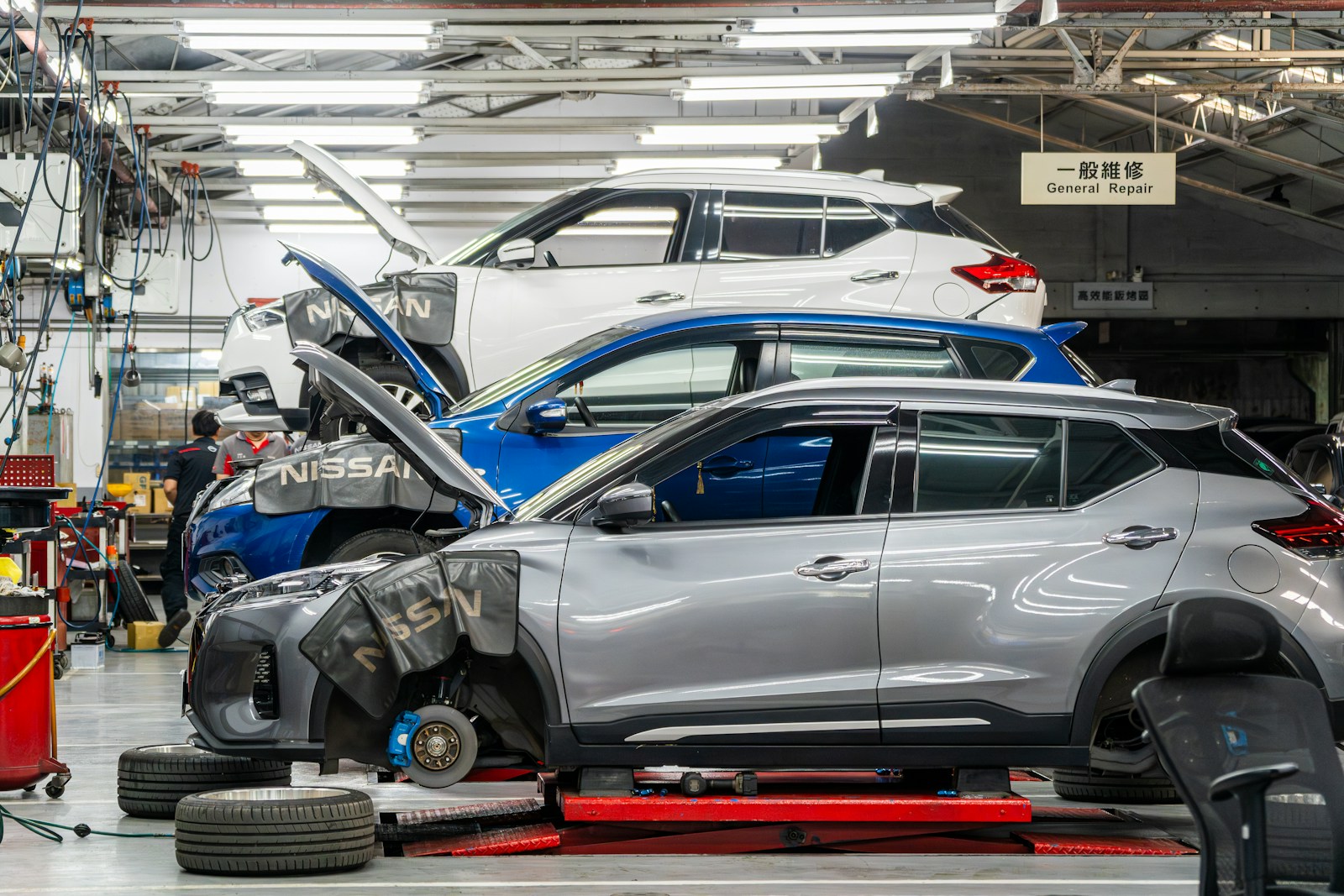
There’s a certain logic to maintenance shortcuts that makes them tempting even for owners who know better. Skipping a service interval, buying the cheapest available part, or stretching a fluid change a few thousand miles past due all feel like small, reversible decisions in the moment. Nothing visibly breaks the day you do it, so the shortcut appears to have worked.
The catch is that most of these shortcuts don’t actually save money. They defer a cost and let it compound in the meantime. By the time the consequence shows up, it’s rarely as simple or cheap as the maintenance would have been. Here are seven shortcuts that have a well-documented habit of getting expensive.
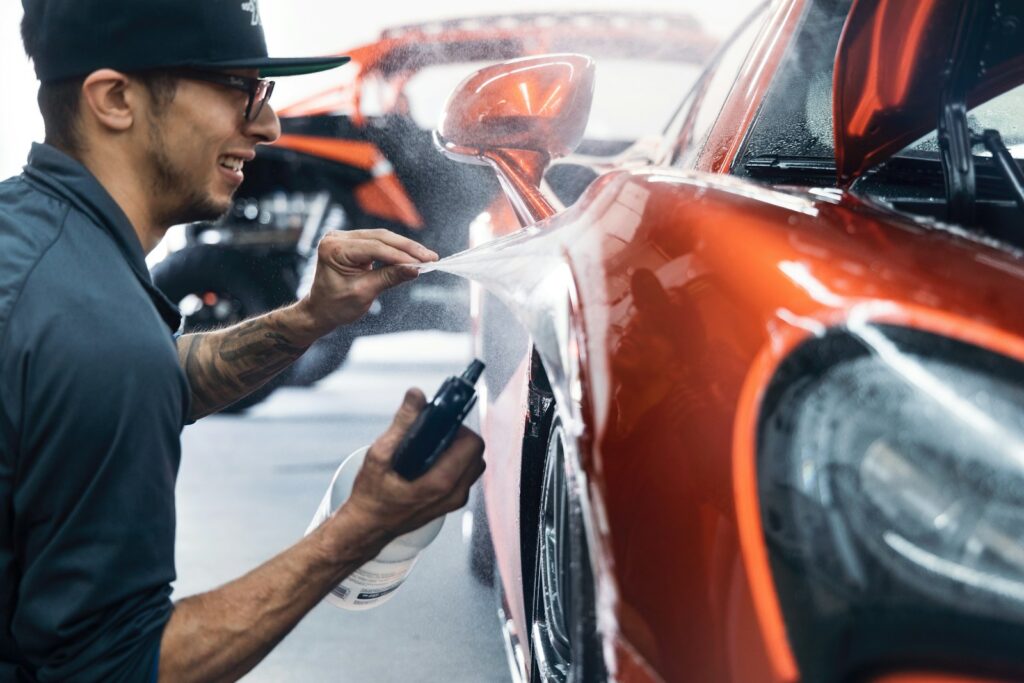
Buying the Cheapest Tires Available
The cheapest tire on the rack is tempting because the saving is immediate and the downside is not. A weak tire shows itself on wet pavement, and wet braking is the place you least want to give up distance. AAA’s tire testing found that performance varies by brand and that price is not necessarily an indicator of quality, so compare grades and test results instead of sticker prices. Most passenger tires carry government-required grades on the sidewall, explained in NHTSA’s tire ratings guide: a treadwear number, where higher means the tread should take longer to wear down, and a traction grade from AA down to C that indicates how well the tire stops on wet pavement. A tire with a low treadwear number can cost more per mile than a pricier one that lasts longer, so divide the installed price by the mileage warranty before deciding. AAA also recommends replacing tires once tread depth reaches 4/32 of an inch.
Skipping Wheel Alignments After Suspension Work
Any time a car’s suspension is disturbed, whether by new struts, control arms, tie rod ends, or a hard pothole hit, the wheel alignment is likely to have moved. Skipping the alignment to save that line item is one of the more common false economies in car maintenance. Misalignment doesn’t break anything right away. It wears tires unevenly, often on the inner or outer edge where a casual glance misses it. By the time the wear is obvious, a full set of tires may need replacing years early, at a cost that dwarfs the alignment. Know the signs: a steering wheel that sits off-center on a straight road, a car that drifts to one side when you relax your grip, or tread that feels feathered when you run a hand across it. When you pay for an alignment, ask for the before-and-after printout so you can see what was adjusted, and have it done after the new parts go in.
Using the Cheapest Oil Filter Available
Oil filters look interchangeable from the outside, but they differ in the filter media, the bypass valve, and the anti-drainback valve, all of which affect how well the filter protects the engine at cold start and across a full service interval. A poor filter can let finer particles through, or fail to hold oil in the housing between starts, so the engine briefly runs with low oil pressure when it fires. The price gap between a bargain filter and a reputable one is usually a few dollars, which is trivial next to the engine wear the filter exists to prevent. Buy the part number listed for your exact engine instead of one that merely threads on, since the valve settings are specified per application. Match the filter to the interval as well: if you run synthetic oil for long intervals, use a filter rated for that mileage. If a quick-lube shop does the work, ask which filter they install, or bring your own.
Deferring Brake Fluid Flushes
Brake fluid is hygroscopic, meaning it absorbs moisture from the air over time even in a sealed system. That water lowers the fluid’s boiling point and promotes corrosion inside brake lines and calipers. The usual consequence is a slow decline in pedal feel and, in rare severe cases under sustained hard braking such as a long mountain descent, a spongy pedal as the fluid boils. Corroded calipers and lines cost far more to replace than a flush. Check the maintenance schedule in your owner’s manual for the interval, which is often set by time instead of mileage, because moisture gets in whether you drive or not. Fresh fluid is clear to light amber, and dark brown fluid in the reservoir is overdue. Shops can test moisture content with an inexpensive tester, so ask for a reading before you agree to the service. Use only the DOT type printed on the reservoir cap, from a freshly opened bottle.
Ignoring Cabin and Engine Air Filters
Air filters are inexpensive, simple to replace, and commonly neglected because their effects are gradual. A clogged engine air filter restricts the air the engine can draw in. On modern fuel-injected, computer-controlled gasoline engines, the government’s fuel economy guidance says replacing a clogged filter does not improve fuel economy, but it can improve acceleration, so the cost of neglect shows up as a car that feels sluggish. The filter’s other job is keeping grit out of the engine, and one that is torn or badly seated cannot do it. A clogged cabin air filter cuts airflow from the vents, slows defogging, and can strain the blower motor, a far more expensive part than the filter protecting it. Both are usually a ten-minute job with no tools or a screwdriver. Hold the engine filter up to a light, and if little light passes through the pleats, replace it. Check both more often if you drive on dirt roads or in heavy pollen.
Plugging Instead of Properly Repairing Tire Damage
A plug-only repair on a punctured tire, pushed in from the outside without taking the tire off the wheel, is a common shortcut that saves some labor and skips the inspection that matters. The U.S. Tire Manufacturers Association’s tire repair basics are blunt about it: a plug alone is an unacceptable repair. A proper repair means removing the tire from the wheel and inspecting it for damage, filling the puncture with a rubber stem, and sealing the inner liner with a patch. The same guidance limits repairs to the tread area and to punctures no larger than 1/4 inch in diameter. Damage in the shoulder or sidewall means a new tire. Driving on a tire while it was flat can also damage the inside in ways that are invisible from outside, which is why it has to come off the wheel. When you take a puncture in, ask the shop whether they dismount the tire and use a combination patch and plug.
Stretching Timing Belt Replacement Past Its Interval
On engines with a timing belt rather than a timing chain, the belt has a hard mileage or age-based replacement interval precisely because rubber degrades predictably and the consequences of failure are severe on many engine designs. Delaying replacement to save the cost of a belt job, which is a meaningful but bounded expense, risks the belt snapping while the engine is running. On what’s known as an interference engine design, a broken timing belt allows pistons and valves to collide, causing catastrophic internal damage that frequently costs more than the car is worth to repair. This is arguably the single most consequential shortcut on this list, since the difference between a scheduled belt replacement and a snapped one isn’t a matter of degree — it’s the difference between routine maintenance and a totaled engine.