

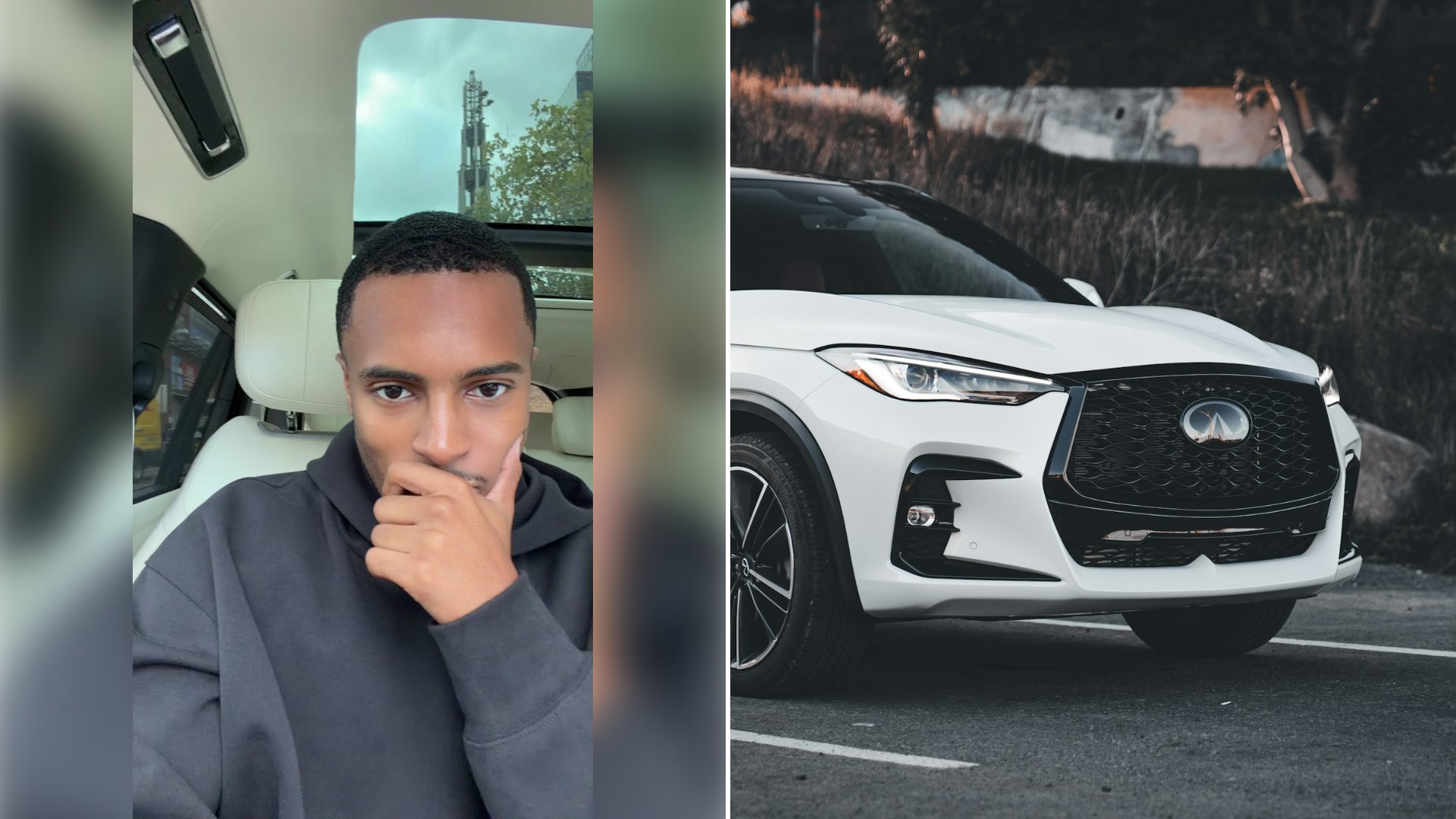
“This message is for Range Rover and Range Rover only.” DeAndre Brown says it straight to the camera from the driver’s seat of the vehicle he is complaining about, a 2025 Range Rover Autobiography with cream quilted seats and a glass roof overhead. He bought it, he says, less than a year before filming.
Brown, who posts on TikTok as @imdrebrown, published the video on October 20, 2025, with a caption that is nothing but a tag of the Range Rover account. In just under two minutes he lays out one complaint: “I have taken this car to the dealership for the same exact issue four times.”
The issue, in his words: “The vehicle literally will stop driving while I’m driving. It doesn’t matter where I’m at. It has happened to me on the expressway twice. It has happened to me when I’ve been driving on the street.” He calls that “extremely dangerous” because another driver could run into the back of him.
The mileage is the number he leans on. “My vehicle only has 3,000 miles on it,” he says, “and I have a receipt showing every single time that I have taken this car to the dealership to get it repaired for the same issue that keeps happening.”
Brown says he went to the company before he went public. According to the video, he called Range Rover, described the problem and asked what it would take for the company to buy the car back. He says he then had to go further: “I have now had to go to the extent of hiring an attorney, to which you all have now ghosted.” His question to the brand is direct: “What do I have to do to give you this vehicle back?”
He also says the vehicle has been draining money from him, without putting a figure on it, and that he has reached the point where “I literally do not even feel safe driving the vehicle.” What he wants is narrow. “I don’t want the car anymore. I don’t want anything to do with Range Rover anymore. I just want you all to take this car back.” He closes by asking why the vehicle has not been recalled. The video does not include any reply from the company or the dealership.
Brown’s account is one owner’s side of an open dispute, and the paper trail he describes is the part other owners can copy.
He says he has a receipt for every one of the four visits. For an owner with a repeat fault, each of those repair orders should show the date the car went in, the date it came out, the mileage and the complaint in the owner’s own words. Read it at the service desk before leaving. If the dealership wrote the problem up differently on visit three than on visit one, four trips for “the same exact issue” will not read that way on paper, so ask for the wording to be corrected then.
Keep a log of the failures themselves, separate from the repair orders. Brown counts two on the expressway and more on ordinary streets. For each one, write down the date, the road, the speed, what the dashboard showed and how the car was restarted, and film the dash once the car is safely stopped. Dated notes are what connect visit one to visit four.
He asked for a buyback by phone. Make the same request in writing as well, to the manufacturer’s customer line and to the dealership, with the vehicle identification number, the four visit dates and the sentence that the car has stopped while moving. A call leaves the owner with nothing to show for it, and a dated letter or email does.
If the car no longer feels safe to drive, as Brown says of his, tell the dealership that in writing too and ask what it will provide while the vehicle is in the shop. Once an attorney is involved, send new contact through the attorney and keep a dated list of every message that goes unanswered, which is the record behind a claim of being “ghosted.”
His recall question has its own channel. Owners can report a vehicle that stops while moving to the federal auto safety regulator as a safety defect, separately from any buyback claim.
More from Steel Horse Rides
- Every State in the Country Has Its Own Lemon Law Ready to Protect Buyers Stuck With a Defective New Car, Yet Almost Nobody Actually Knows How to Use Theirs
- Automakers Get to Run Their Own Arbitration Programs for Lemon Law Complaints, and Consumer Advocates Say the Deck Is Stacked Against the Owner From the Start
- Two Drivers Who Bought the Exact Same Defective Car in Two Different States Can End Up With Completely Different Legal Outcomes Once Lemon Law Protections Actually Kick In