
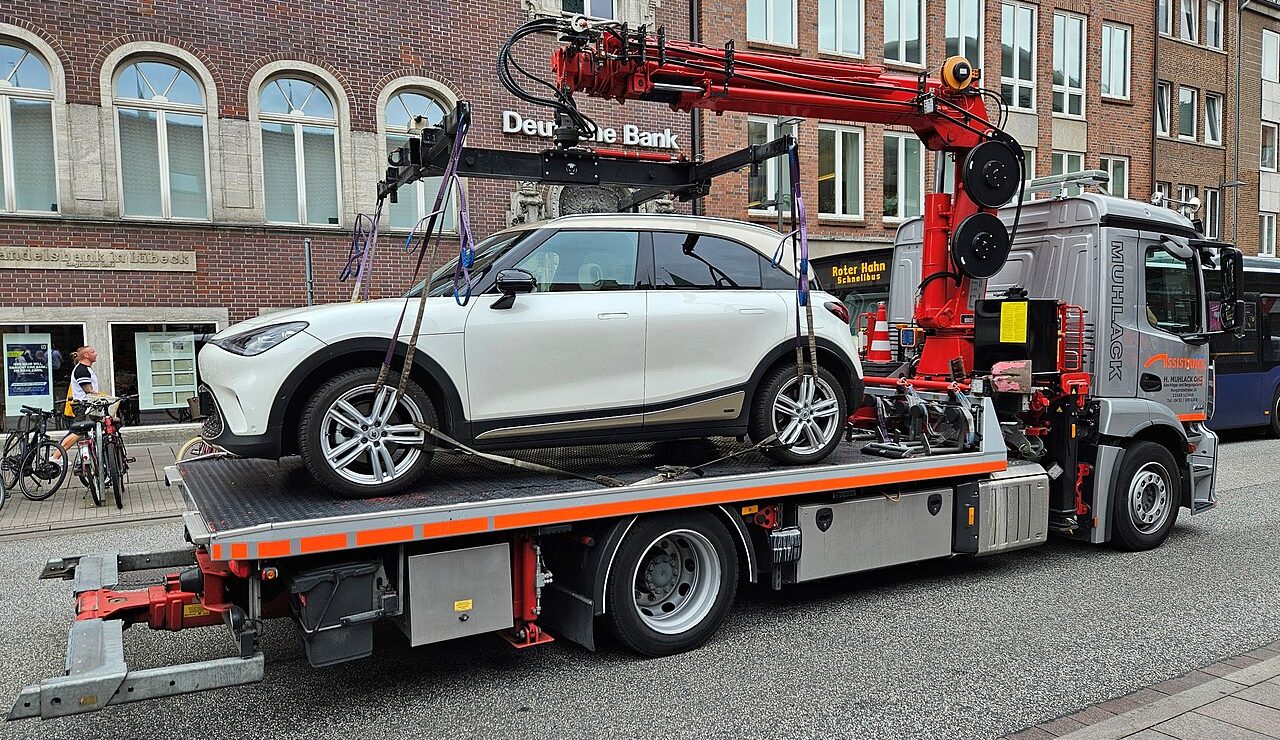

Your car is more than just a means to get from point A to point B. It’s an investment, a source of pride, and for many, a symbol of independence. As such, it’s only natural to want to keep your vehicle running smoothly and efficiently for as long as possible.
In this article, we’ll share some practical tips to help you do just that. Keep your car on the road, out of the dealership, and save yourself from unexpected costs.
1. Stay on Top of Regular Maintenance
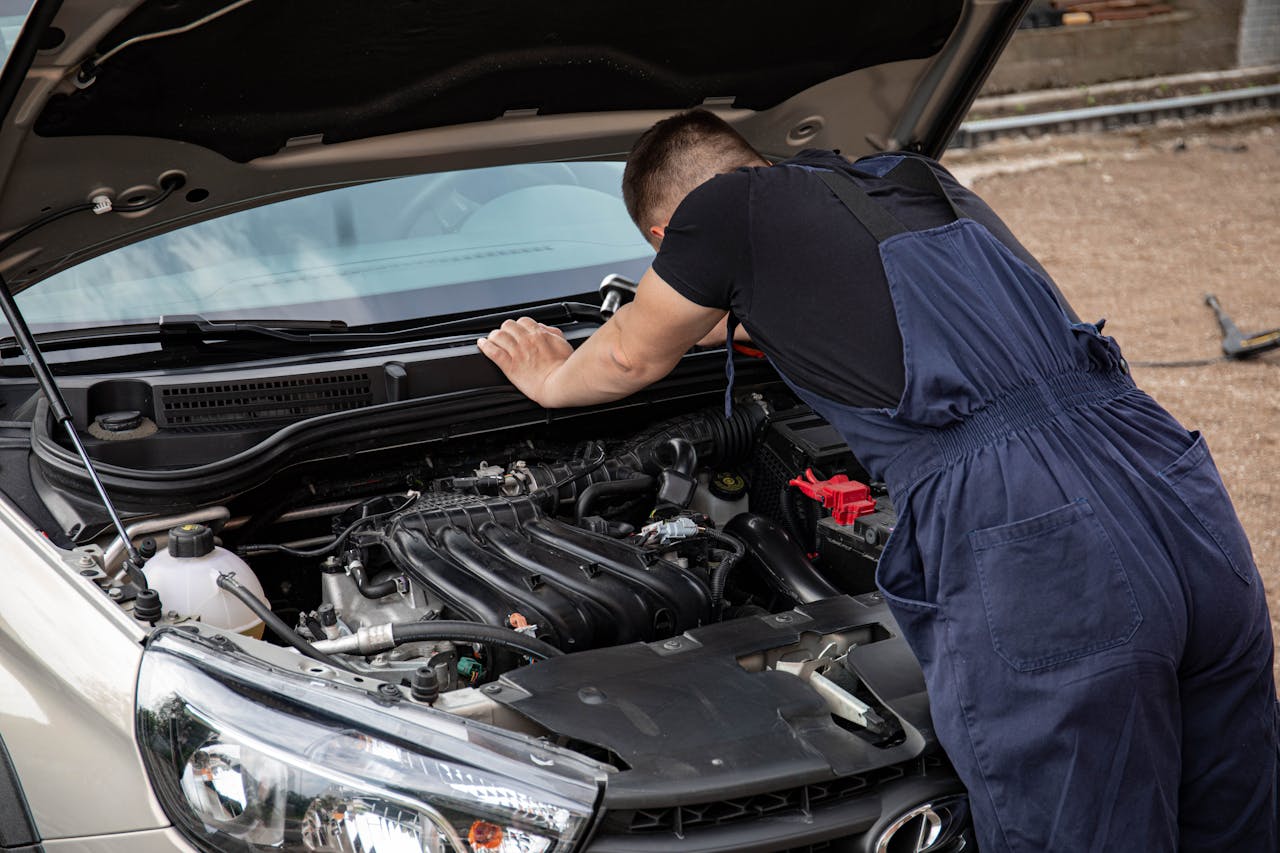
Routine maintenance is the lifeblood of any vehicle. By regularly checking and replacing parts of your car, you can prevent minor issues from turning into major problems. This includes oil changes, tire rotations, brake inspections, and more.
For example, changing your oil regularly can help extend the lifespan of your car’s engine. The oil in your engine serves to lubricate important components, reducing friction and preventing overheating. Neglecting to change your oil can result in significant engine damage, leading to costly repairs.
2. Keep Your Tires Properly Inflated
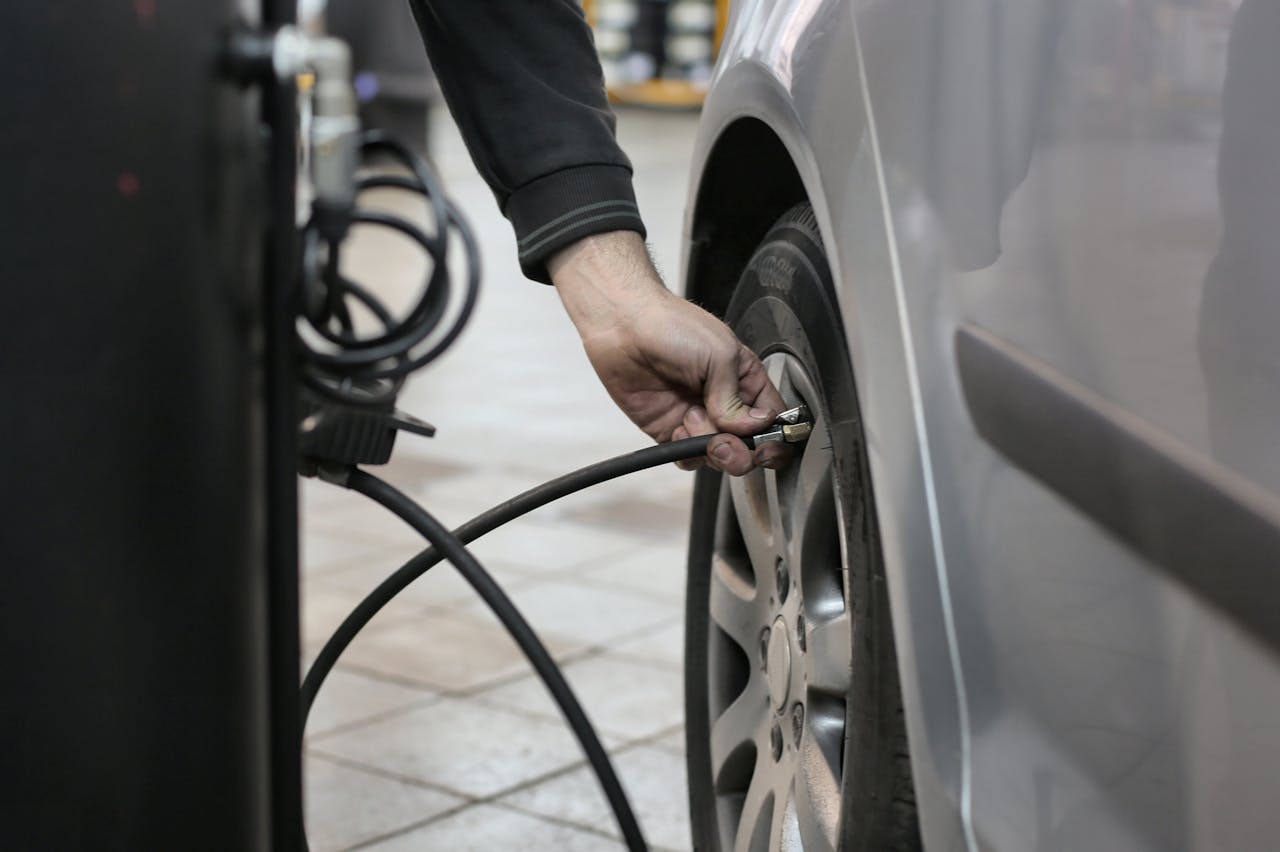
Tire pressure is more than just a number on a gauge. It affects your car’s performance, fuel efficiency, and even your safety. Each car has a manufacturer-recommended tire pressure, usually found in the owner’s manual or on a sticker in the driver’s side door jamb.
Driving with underinflated tires can cause a host of problems, including poor handling, increased tire wear, and reduced fuel economy. Overinflated tires, on the other hand, can make your ride less comfortable and can even lead to a blowout. By regularly checking and adjusting your tire pressure, you can ensure that your car is as safe and efficient as possible.
3. Maintain a Clean Interior
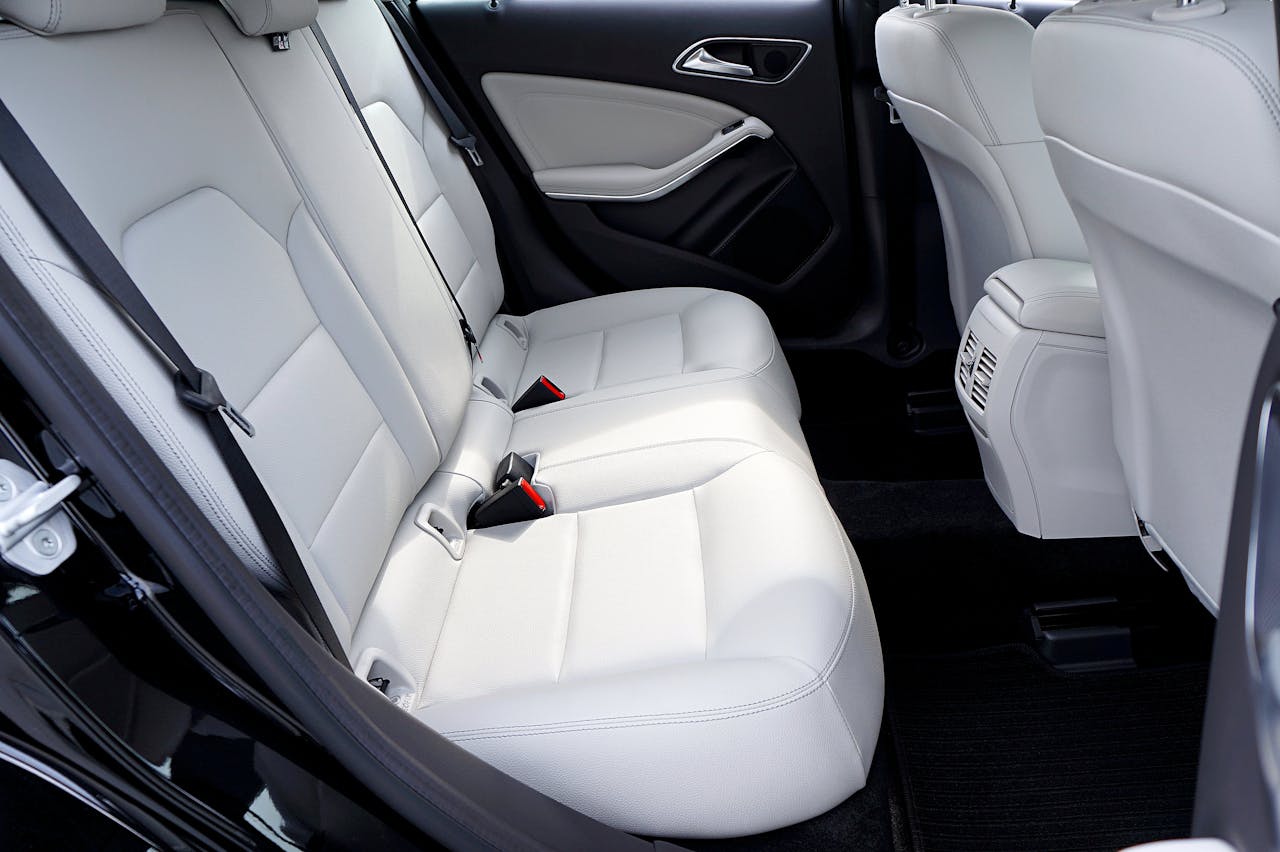
Keeping the inside of your car clean is not just about aesthetics. It can actually contribute to the longevity of your vehicle. Dirt, dust, and other particles can accumulate over time and can cause damage to your car’s interior surfaces.
In addition, a cluttered car can pose a safety risk. Loose items can become dangerous projectiles in the event of a sudden stop or a crash. So, take the time to vacuum your car’s interior, wipe down surfaces, and remove any unnecessary items.
4. Drive Responsibly

The way you drive can have a significant impact on the lifespan of your car. Aggressive driving, such as fast starts, hard braking, and high speeds, can put unnecessary strain on your vehicle’s components, leading to early wear and tear.
By driving more smoothly and responsibly, you can reduce the stress on your car and help prolong its life. This includes accelerating gradually, braking gently, and observing the speed limit.
5. Use the Right Fuel

While it might be tempting to save a few cents per gallon by choosing lower octane fuel, doing so could end up costing you more in the long run. Many modern cars are designed to run on higher octane fuel, and using lower octane can result in reduced performance and engine damage.
Check your car’s owner’s manual to see what type of fuel is recommended for your particular model. If higher octane fuel is recommended, it’s worth the extra cost to keep your engine running smoothly and efficiently.
6. Don’t Ignore Warning Lights

The warning lights on your car’s dashboard are there for a reason. They alert you when something is wrong with your car, and ignoring them can lead to serious damage.
If a warning light comes on, don’t just hope it goes away. Consult your owner’s manual to understand what the light means, and take your car to a mechanic if necessary. It’s better to address a potential problem early before it becomes a major issue.
7. Protect Your Car From the Elements
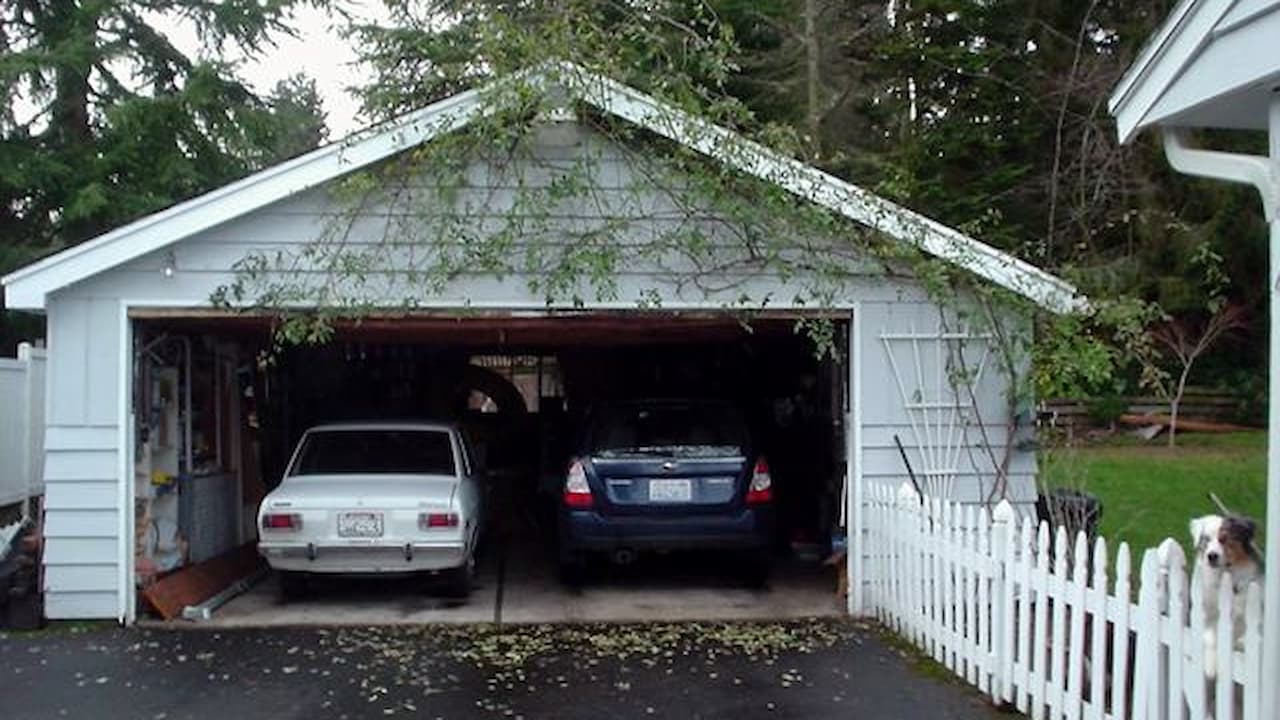
Exposure to harsh weather conditions can take a toll on your car. Sun, heat, cold, rain, and snow can all cause damage to your car’s exterior and interior.
Whenever possible, park your car in a garage or under a carport to protect it from the elements. If you don’t have access to covered parking, consider using a car cover to help shield your vehicle.
8. Replace Wiper Blades Regularly
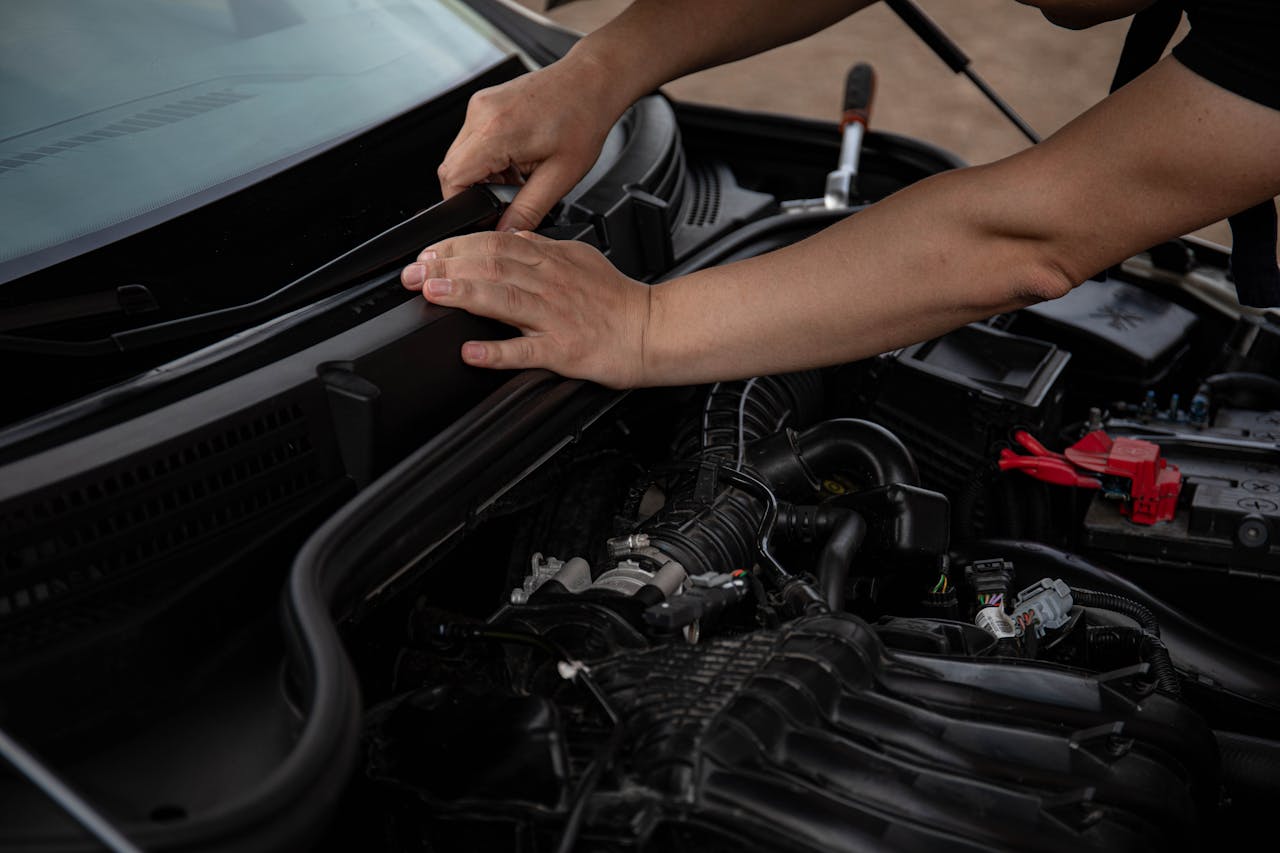
Windshield wipers may seem like a small part of your car, but they play a crucial role in your visibility and safety. Worn or damaged wiper blades can leave streaks on your windshield, impairing your vision and making it harder to see in poor weather conditions.
As a rule of thumb, you should replace your wiper blades every six months to one year, or whenever you notice a decrease in performance. Fortunately, wiper blades are relatively inexpensive and easy to replace.
9. Check Your Car’s Fluid Levels
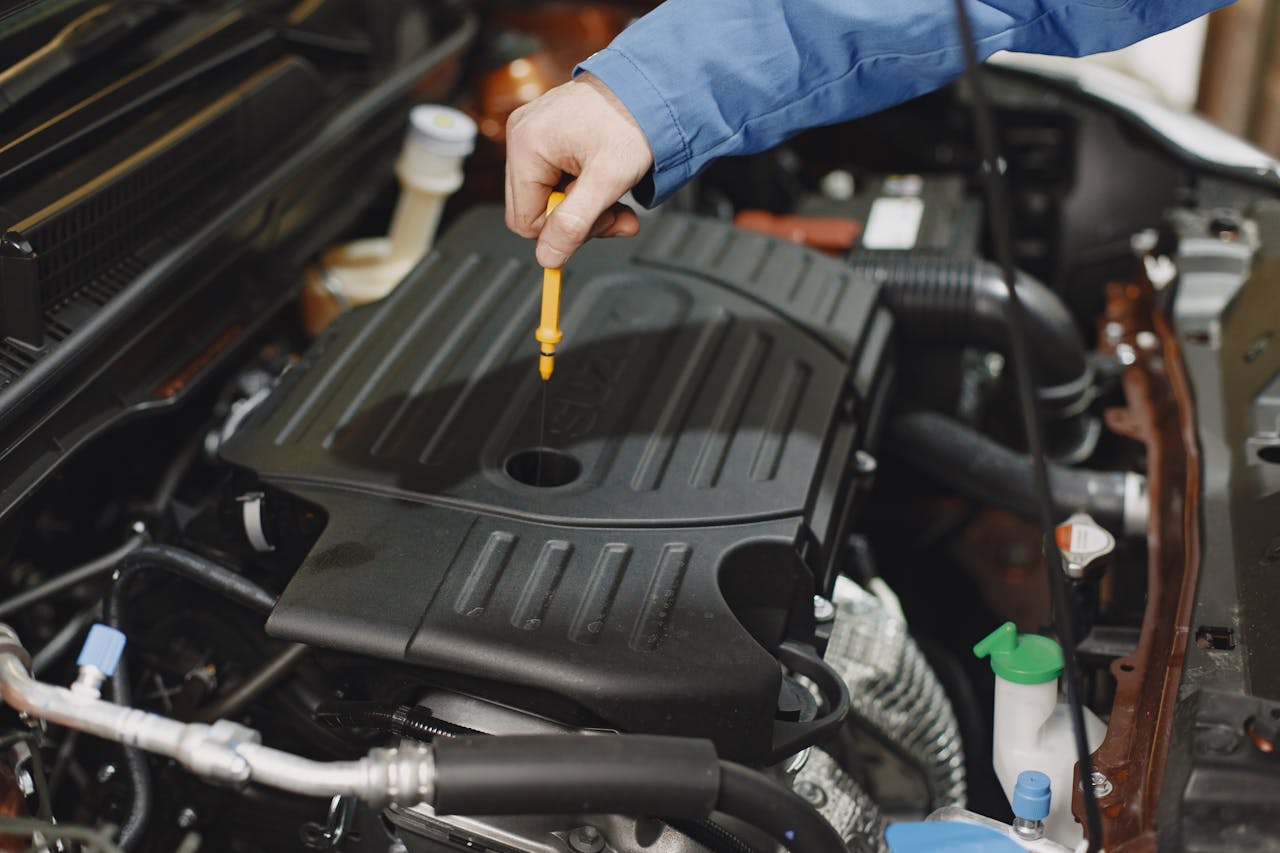
Just like your body needs fluids to function properly, so does your car. This includes engine oil, transmission fluid, brake fluid, power steering fluid, and coolant.
Regularly checking and maintaining the proper levels of these fluids can prevent a variety of problems, from overheating to transmission failure. Consult your owner’s manual to learn how to check each of these fluids and what the correct levels should be.
10. Regularly Change Air Filters
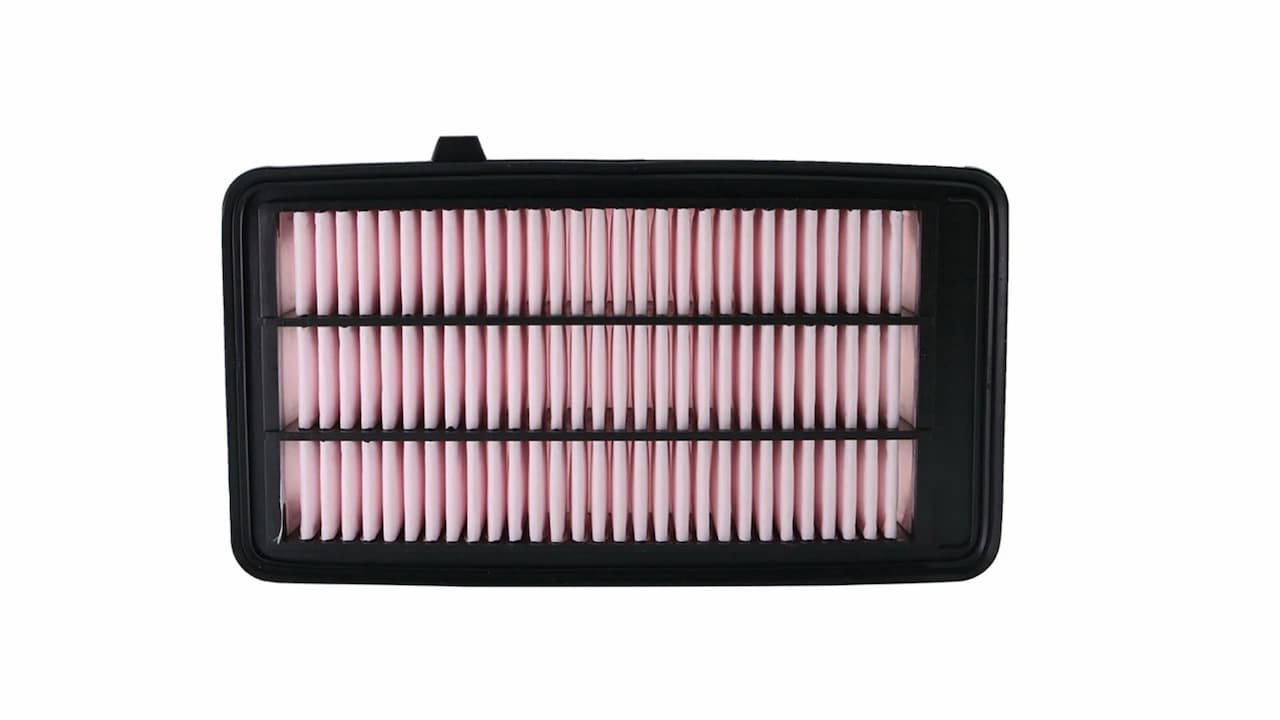
Your car’s air filters play a crucial role in maintaining the performance and longevity of your vehicle. They prevent dust, dirt, and other particles from entering your engine and causing damage.
A dirty air filter can reduce your car’s fuel efficiency, decrease its performance, and even lead to engine damage. As such, it’s important to regularly check and replace your air filters as needed.
11. Keep Your Car’s Exterior Clean
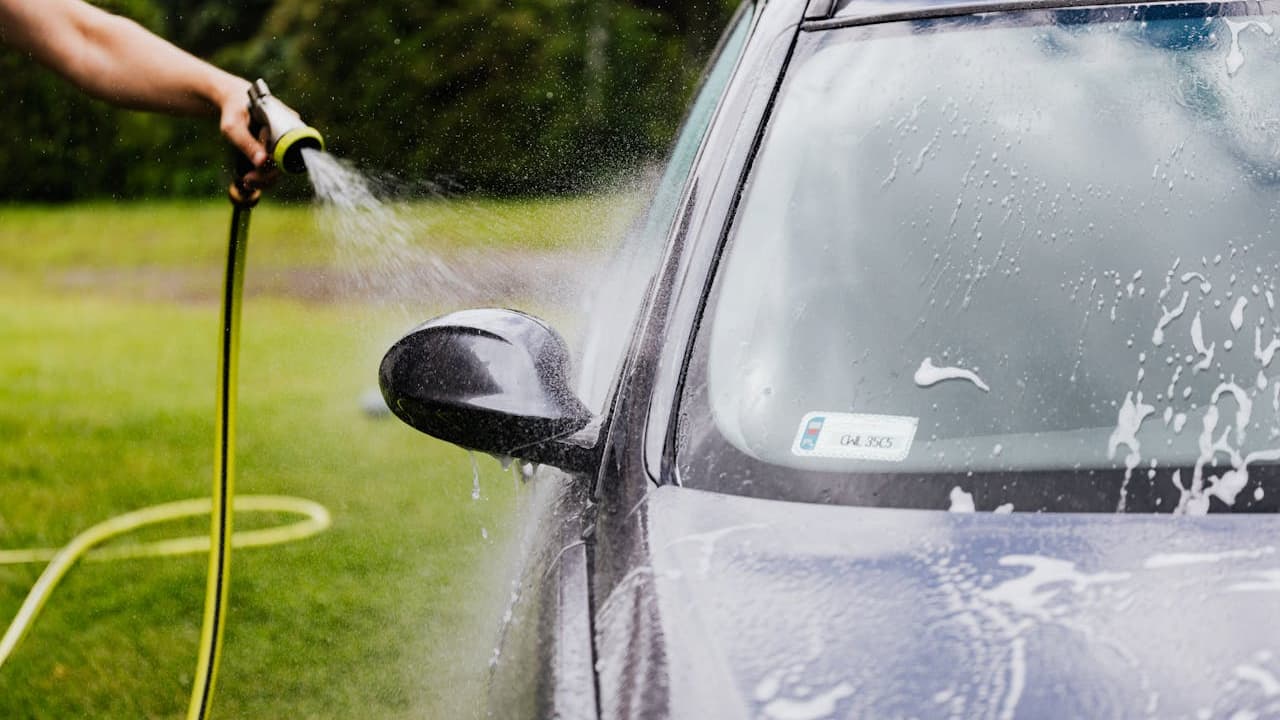
Regularly washing your car isn’t just about keeping it looking good. Dirt, dust, bird droppings, and other substances can damage your car’s paint job, leading to rust and other problems.
In addition, washing your car regularly can help to remove any road salt, which can be particularly damaging to your car’s underside. So, make it a habit to wash your car regularly to keep it looking and running its best.
12. Don’t Neglect Your Car’s Battery
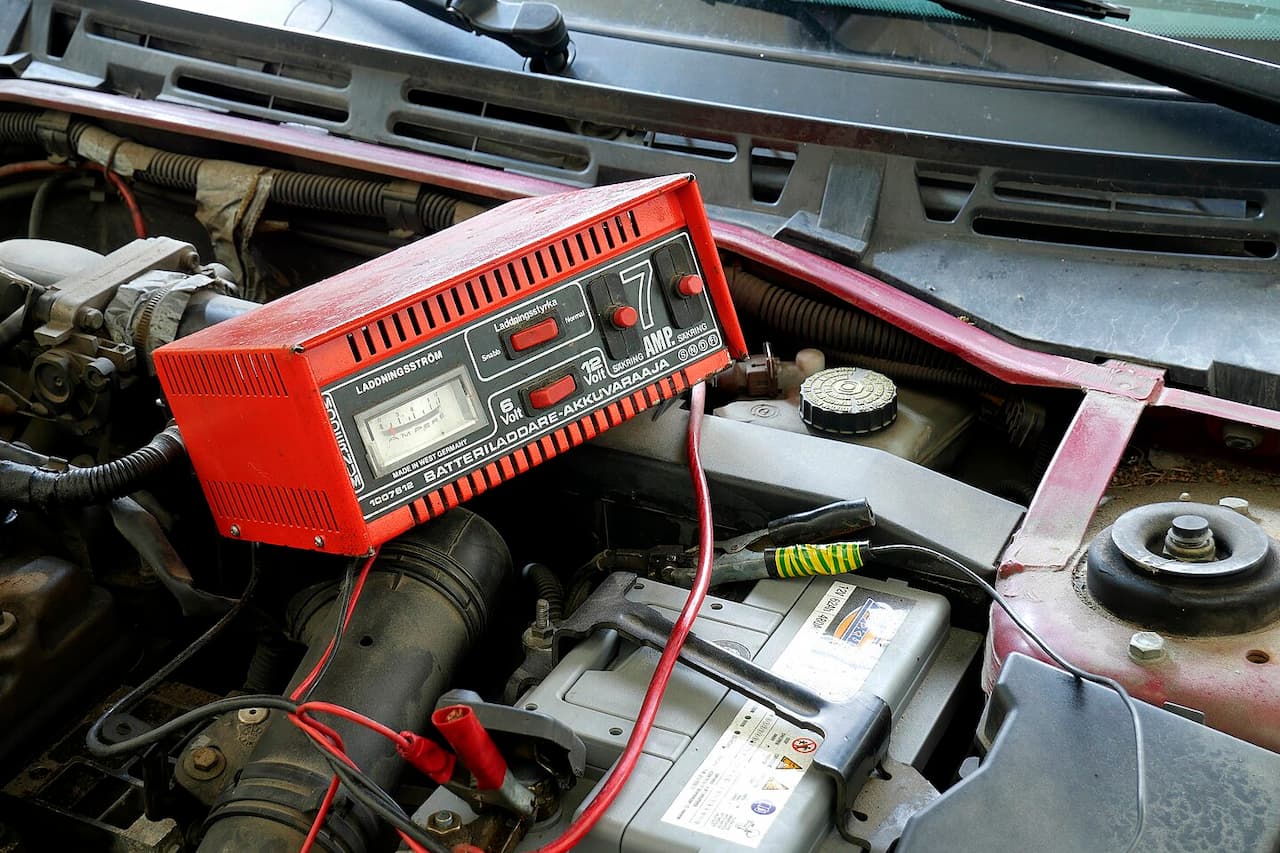
A dead battery can leave you stranded, so it’s important to maintain your car’s battery and replace it when necessary. Most car batteries last about three to five years, but extreme temperatures and frequent short trips can shorten this lifespan.
You can extend the life of your battery by keeping it clean, driving your car regularly, and not using your car’s electronics when the engine is off. If your battery is more than three years old, consider having it tested to ensure it’s still functioning properly.
13. Keep Up with Brake Maintenance

Your car’s brakes are one of its most important safety features, so it’s crucial to keep them in good working order. This includes regularly checking your brake fluid level and having your brakes inspected at least once a year.
If you notice any signs of brake trouble, such as squeaking or grinding noises, a soft brake pedal, or your car pulling to one side when you brake, have your brakes checked immediately. Ignoring these signs can lead to more expensive repairs down the line, not to mention the safety risk.
14. Regularly Check Your Car’s Belts and Hoses

Your car’s belts and hoses play a crucial role in its operation. They drive your alternator, water pump, power steering system, and air conditioning, among other things. A broken belt or hose can cause serious damage to your car’s engine.
Regularly checking your belts and hoses for signs of wear, such as cracking or fraying, can help you catch any potential problems before they become serious. If you notice any signs of wear, have your belts or hoses replaced as soon as possible.
15. Don’t Overload Your Car

While it might be tempting to load up your car for a big trip or move, overloading your vehicle can lead to a host of problems. It can put undue strain on your car’s suspension and brakes, decrease your fuel efficiency, and even pose a safety risk.
Always check your car’s owner’s manual to find out its maximum load capacity. If you’re planning a big trip or move, consider renting a trailer or moving van to avoid overloading your car.
By following these tips, you can keep your car on the road and out of the dealership. Remember, a little bit of prevention can go a long way in keeping your vehicle running smoothly and efficiently.